European style villa – Standard living that lasts over time
SENDESIGN
|
August 8, 2026
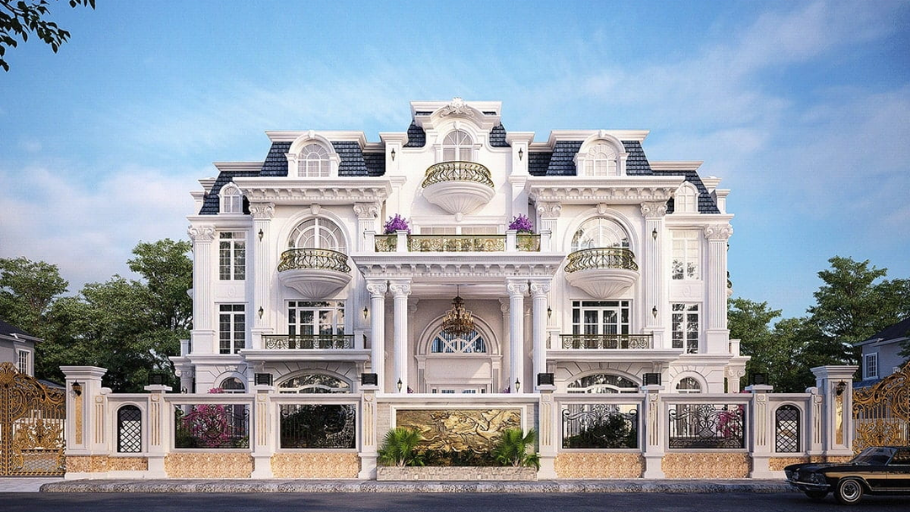
European-style villas are shaped by standard architectural proportions, purposeful lighting and materials with long-term value, creating a luxurious living space that is still sustainable over time. When properly implemented with design thinking, the longer a project is used, the more clearly it shows the aesthetic depth and sophistication of the living experience. This is also the choice of many homeowners who prioritize long-term value instead of short-term trends. Join SENDESIGN to discover how European style is applied in modern villas right here!
1. Characteristics of European style villas
In the villa segment, European style is no longer a story of form or decorative details, but a system of design thinking throughout. The value of European design lies in controlling the fundamentals – where every decision directly affects the long-term living experience. To clearly understand the nature of this style, we can look at the four core elements below:
Architectural proportion – the foundation of the entire space
A standard European villa always starts with proportions. This is the factor that determines the first feeling when entering the space, and is also the most difficult thing to adjust if done wrong from the beginning.
Organize space along a clear axis, with layers and rhythm
Balance between height – width – depth
The space is hierarchical, avoiding spreading out or lacking emphasis
Proportions are controlled from the whole to every small detail
Light – the element that creates depth and emotion
In European-style villas, light is not only for illumination but also plays the role of “shaping” the space. The way light changes during the day is also the way space changes emotions.
Combine natural light and multi-layer lighting system
Light guides the layout of functions
Create shadow effects, increase visual depth
The space changes according to the time of day
Materials – sustainable value over time
Instead of following trends, European style prioritizes materials that can maintain long-term value. This is also a factor that helps the project “become more beautiful over time”.
Use natural materials: stone, wood, matte finish metal
Prioritize materials that are highly durable and easy to maintain
Materials have the ability to enhance beauty over time and not become outdated
Limit short-term trending materials
Moderation – the factor that keeps space from becoming outdated
The biggest difference of European villas is not in having many details, but in knowing when to stop. Moderation helps the space maintain balance and make it easy to live in for a long time.
Do not abuse moldings or surface decorations
Every detail has a reason to exist
Focus on quality instead of quantity
The space remains “static” and stable over time
Overall, European-style villas do not make an impression with ostentation, but with a sense of balance and depth. This is also the reason why projects that are implemented with the right mindset often do not become outdated, even when design trends change. If you love the neat scale but still want to preserve the spirit of European architecture, you can refer to the European-style 1-storey villa models for more ideas that suit your family’s needs and land fund.
2. How to organize space in European style villas
A true European villa is not created from each individual space, but from the way the spaces connect together as a complete system. This seamlessness comes from controlling proportions, materials and light throughout the entire building.
2.1. Central space – the place that most clearly demonstrates the European spirit
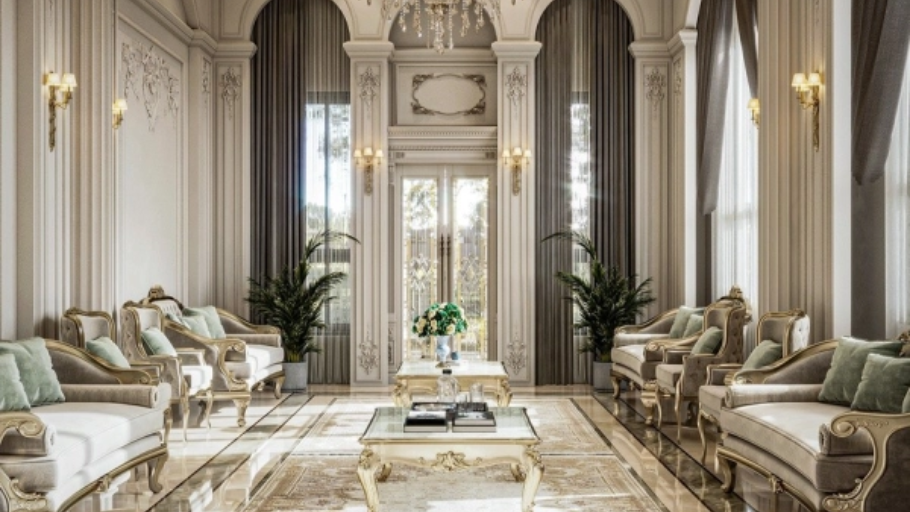
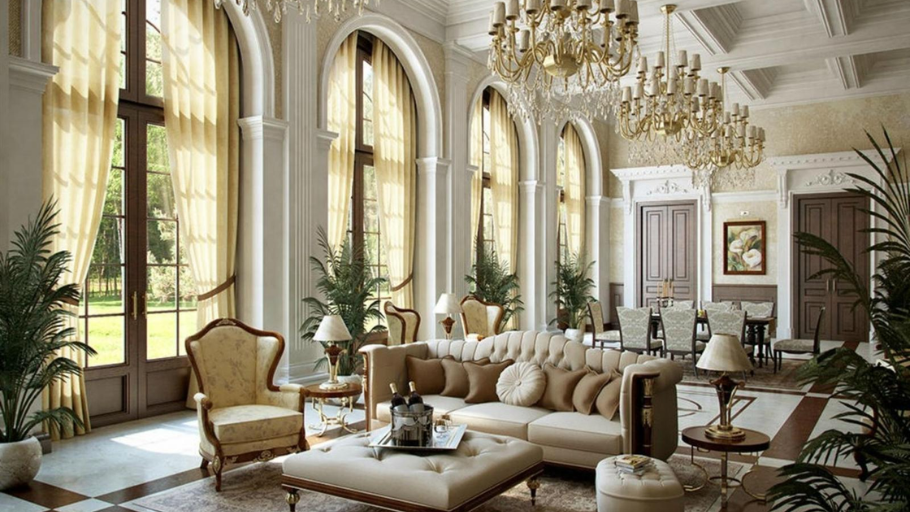
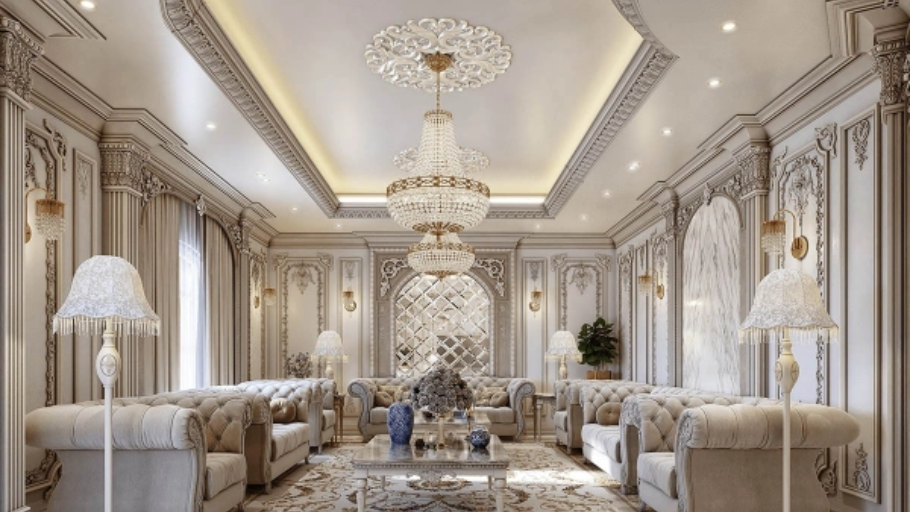
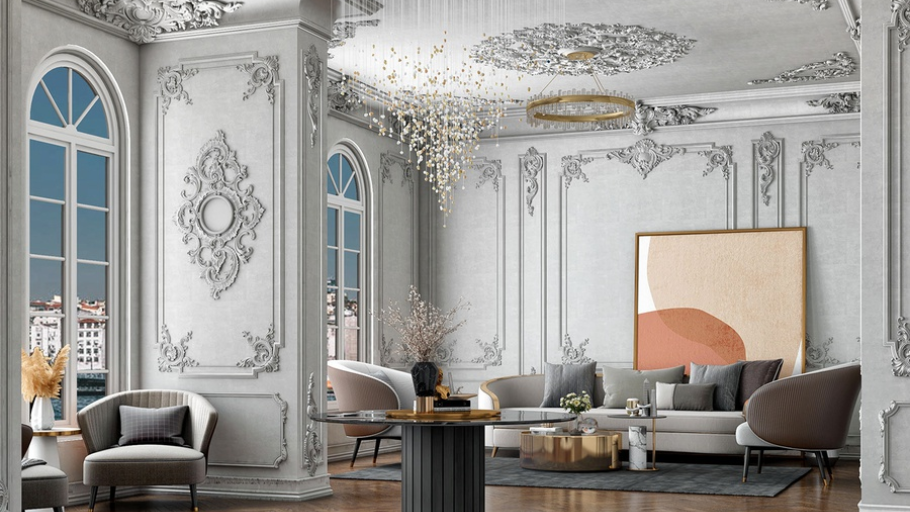
The central space, including the lobby and living room, is the area that shapes the first impression and is also the place that most clearly demonstrates the architectural thinking of the entire villa. This is where elements such as proportion, symmetry and materials are expressed clearly and consistently.
Instead of focusing on decoration, this space is organized based on symmetry, combined with ceiling height and spatial layering to create a feeling of grandeur but not heavy. Materials such as natural stone, wood and light play a visual guiding role, helping the overall look to maintain sophistication and depth. If you love minimalism, appreciate natural light and rustic materials, you can also refer to Nordic style villa models to explore another approach to creating a balanced and sustainable living space.
2.2. Functional space – balance between use and aesthetics
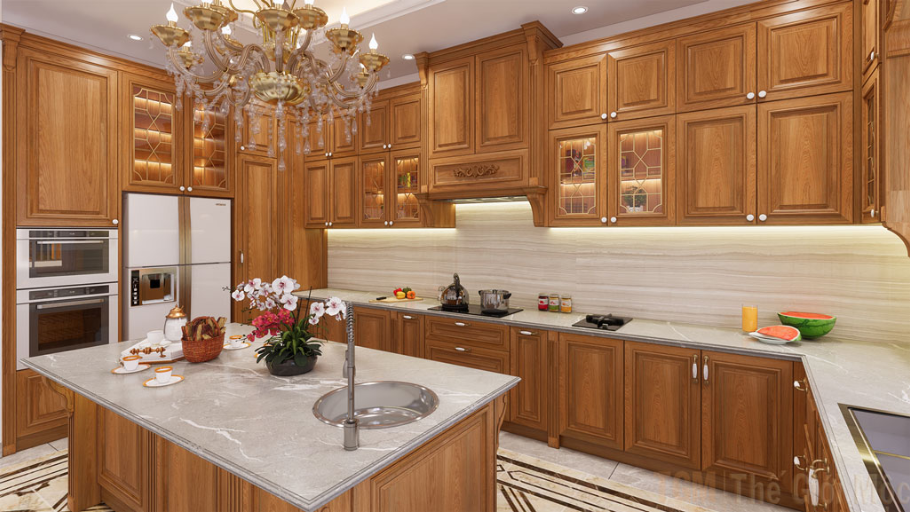
Unlike symbolic spaces, functional areas in European villas are designed to serve daily activities, but still maintain aesthetic stability.
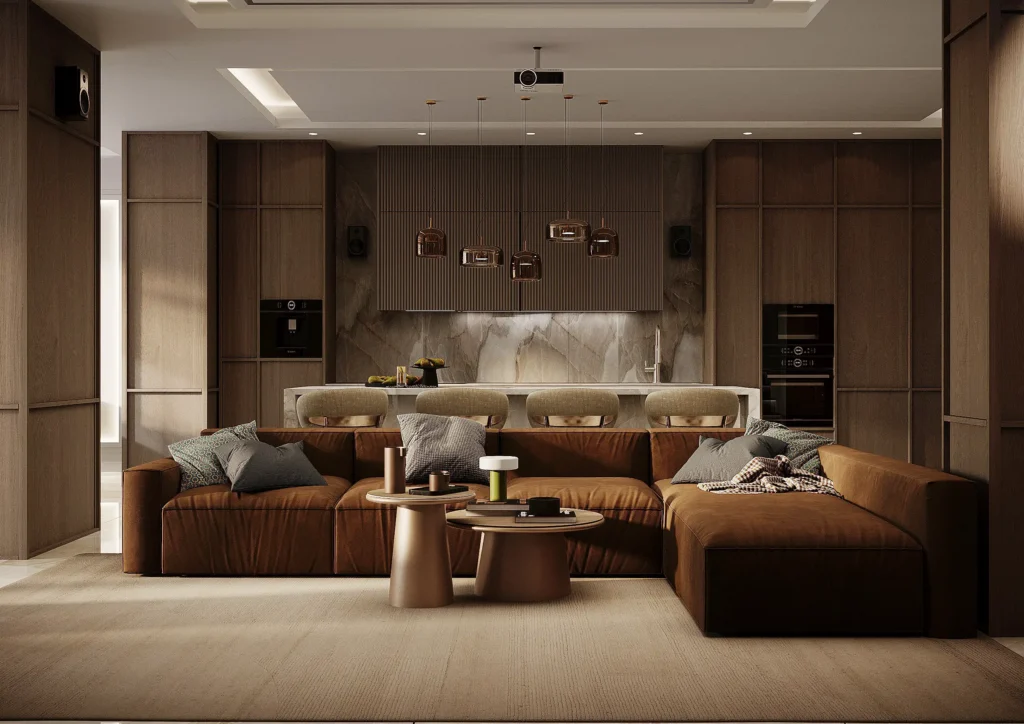
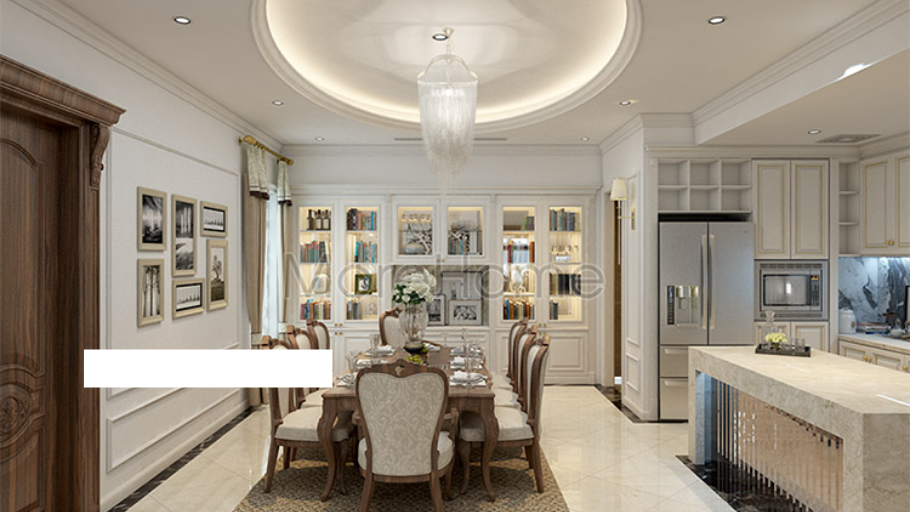
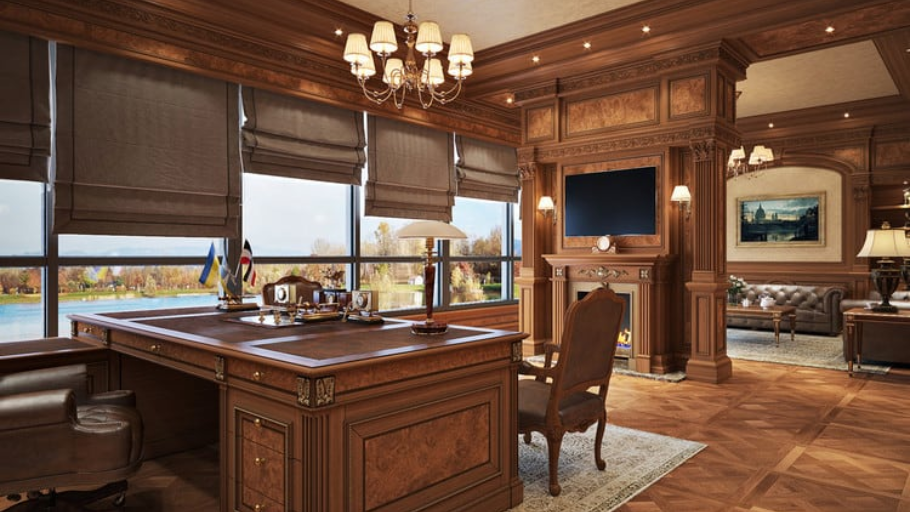
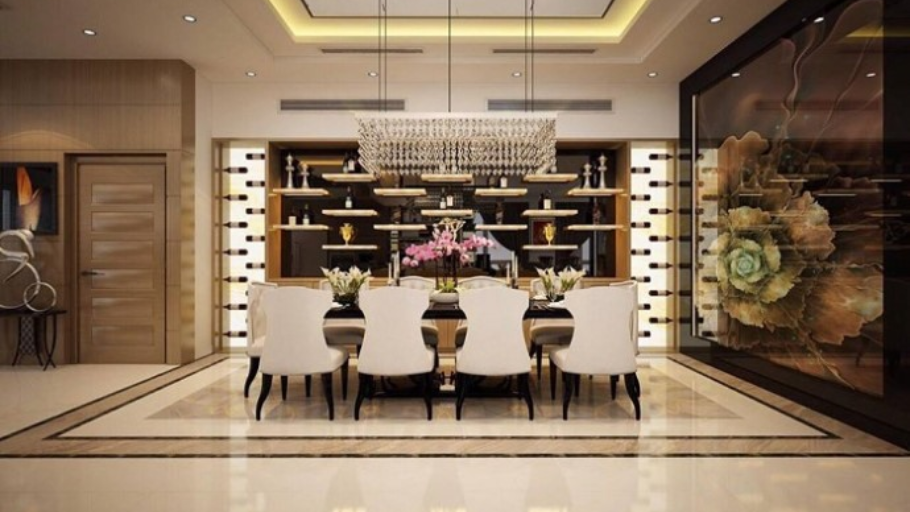
In particular, the kitchen and dining room are often material-centered, with stone, wood or metal surfaces delicately treated to create a feeling of solidity and durability. The workspace prioritizes natural light and reasonable proportions, helping to maintain concentration without causing visual pressure.
The common point of these spaces is moderation in detail, helping to ensure functionality without losing overall aesthetics. These principles are also effectively applied in 4-storey villas, where the organization of many functional spaces requires a strict balance between user experience, aesthetics and connection throughout the entire house.
2.3. Private space – emotional depth and privacy
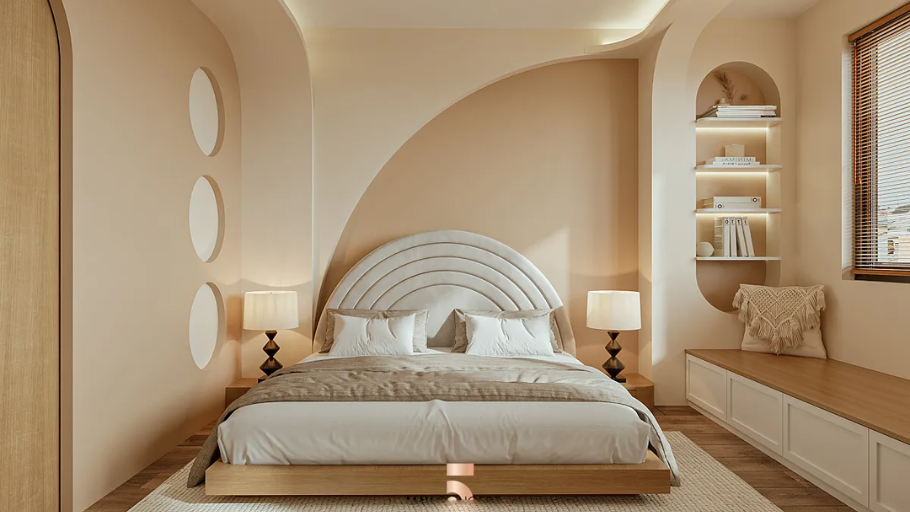
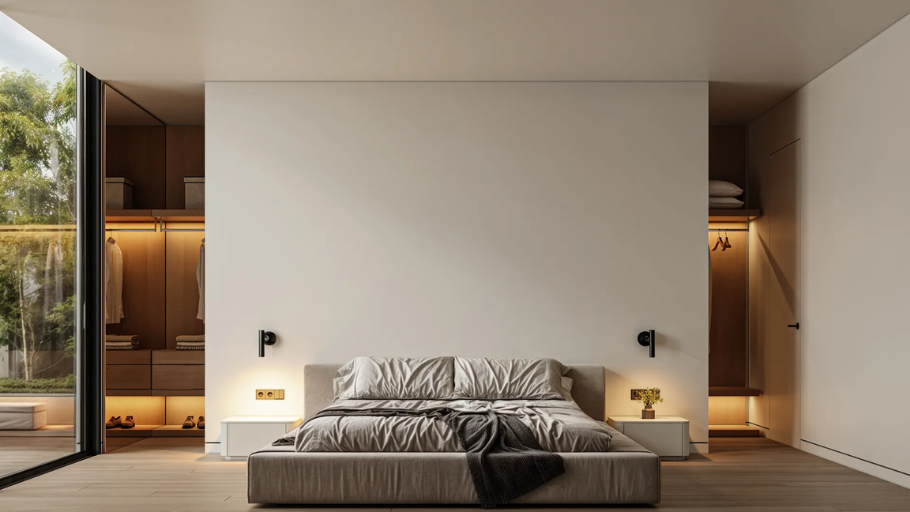
The private space is where the depth of European style is most clearly demonstrated, when every element is adjusted to serve a true sense of rest.
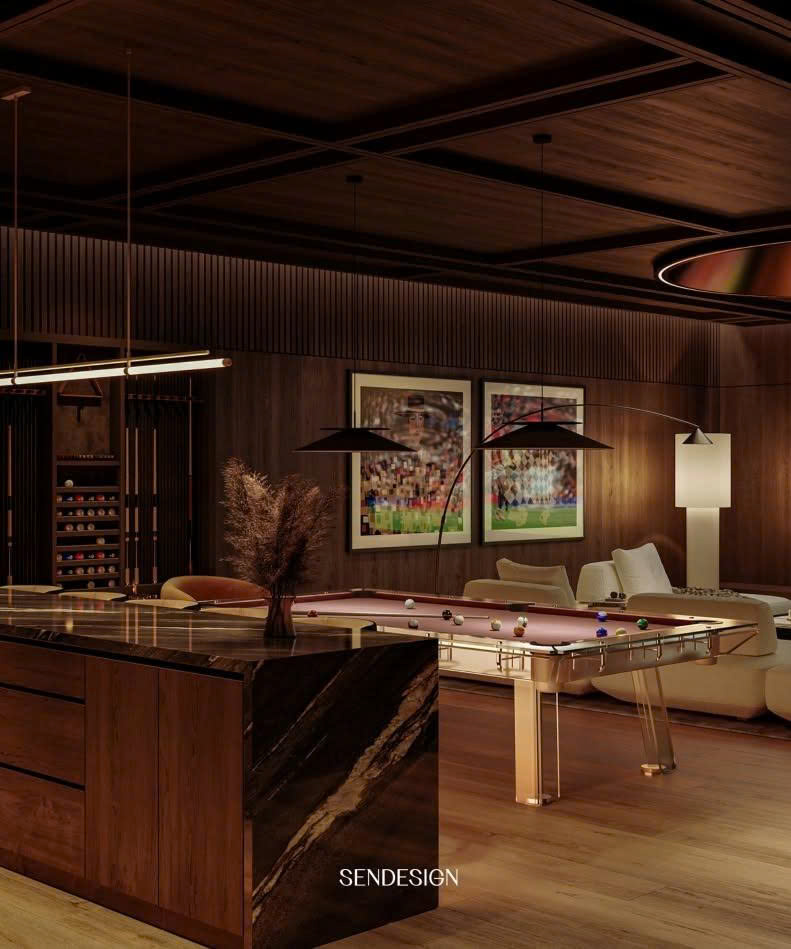
The bedroom does not need many details, but is strictly controlled in terms of lighting and materials. Soft, layered lighting helps reduce visual intensity, while warm materials such as wood, fabric or leather create a feeling of comfort over long periods of use.
It is this moderation that helps the space maintain a static state, suitable for the need to rest and regenerate energy. This space organization thinking is especially suitable for 3-storey villa models with 2 frontages, where the advantage of many open sides helps optimize natural light, ventilation and enhance privacy for each functional area.
2.4. Transitional space – experience moving in the villa
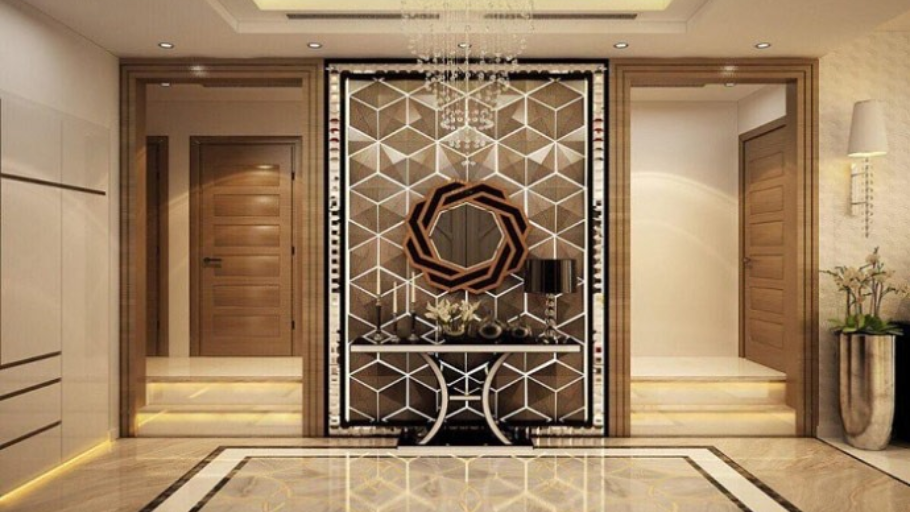
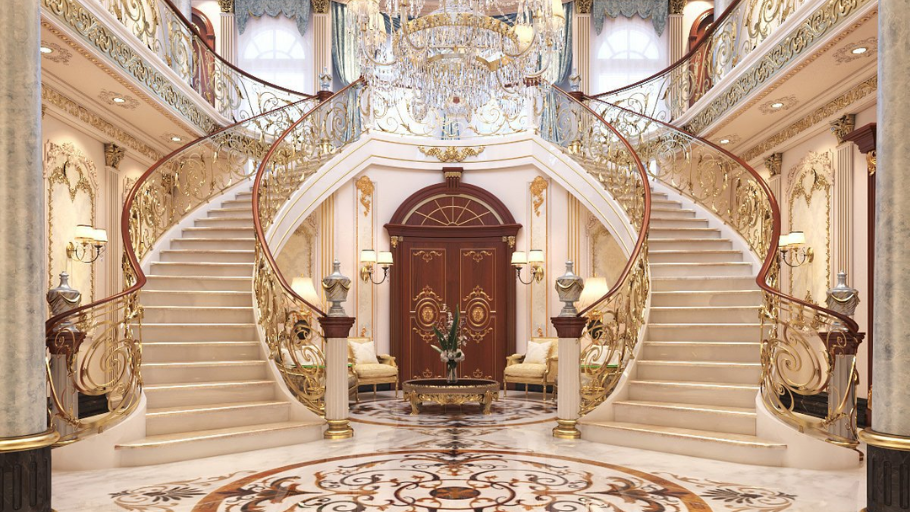
Areas such as hallways, stairs or side halls often go unnoticed, but play an important role in creating space rhythm.
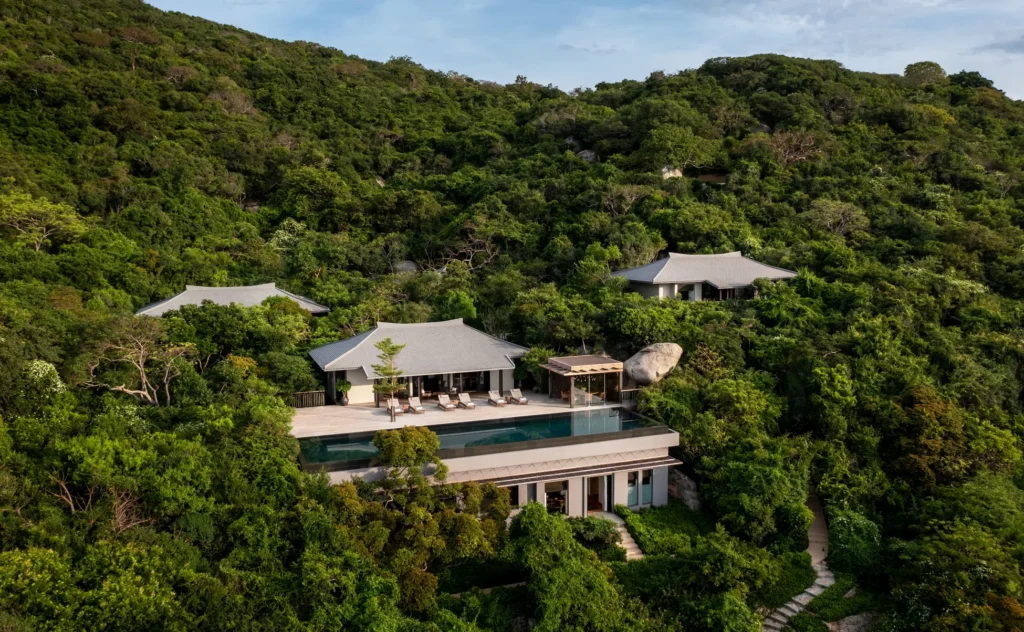
In European villas, these spaces are designed seamlessly, with materials throughout and indirect lighting to create depth. Thanks to that, moving around the house is no longer simply a function, but becomes an emotional, gentle and continuous experience. If you love the connection between architecture and landscape, you can also refer to garden villa models, where transitional spaces are maximized to expand living experiences and connect people with nature.
3. Why do many “European” villas lack depth?
In fact, many projects have European forms but do not achieve true aesthetic and experiential value. The main reason comes from misunderstanding the nature of this style, focusing only on surface elements and ignoring the architectural foundation.
Some common mistakes include:
These deviations cause the project to stop at a “European-like” level, but fail to achieve depth and long-term use value. To better understand how to balance aesthetics, functionality and living experience in modern architecture, you can refer to contemporary interior design style, which emphasizes simplicity, flexibility and connectivity throughout the entire space.
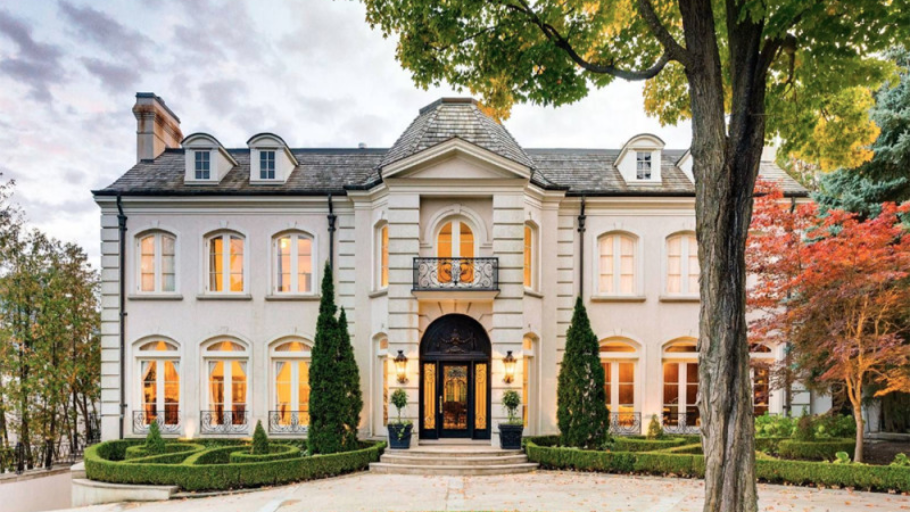
4. Important conditions to realize a European-style villa
For a villa to have the true European spirit, synchronous control of elements from the beginning is mandatory, instead of making discrete adjustments during implementation.
To discover how to synchronize architecture and interior living space, you can refer to the Villa Interior Design service, a solution that helps fully realize the aesthetic value and functionality of the project.
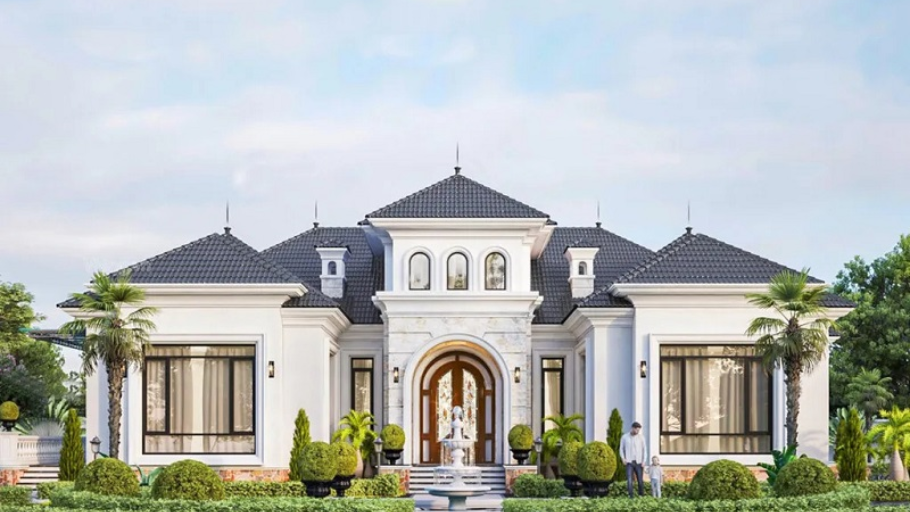
5. European style villa model designed by SENDESIGN
In fact, the value of European style does not lie in theory, but is most clearly demonstrated through implemented projects. Each project is a different interpretation, but they are all based on a common foundation of architectural proportions, light and materials – the core elements that create a sustainable living space over time.
5.1. Villa Kim Anh Hai Phong – European villa that balances aesthetics and living
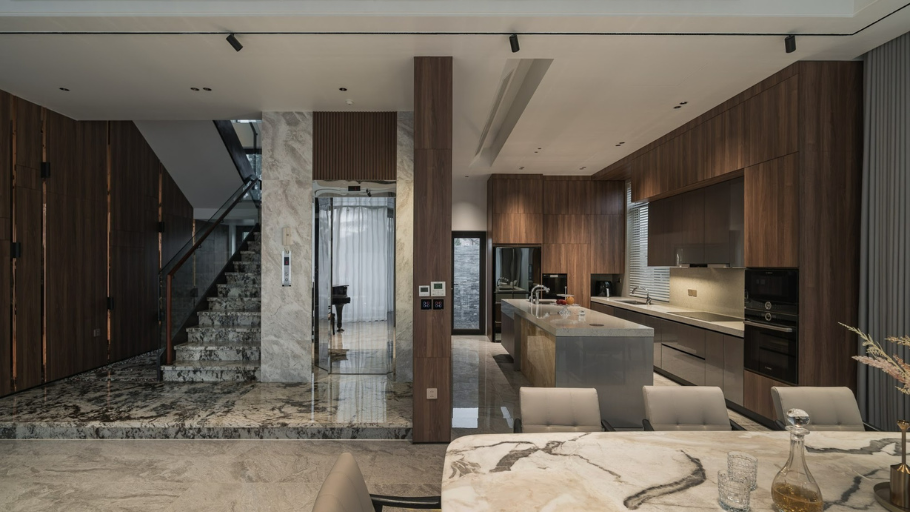
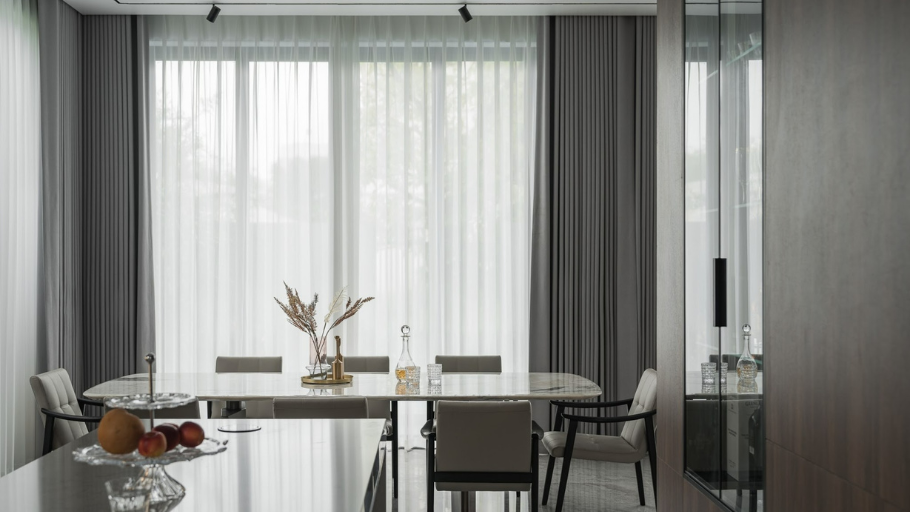
The project aims to harmonize standard aesthetic elements and daily living needs. SENDESIGN does not place much emphasis on “showing space”, but focuses on how space operates in reality.
Functional areas are organized reasonably, materials play an emotional role, making the space both easy to use and maintain aesthetic stability.
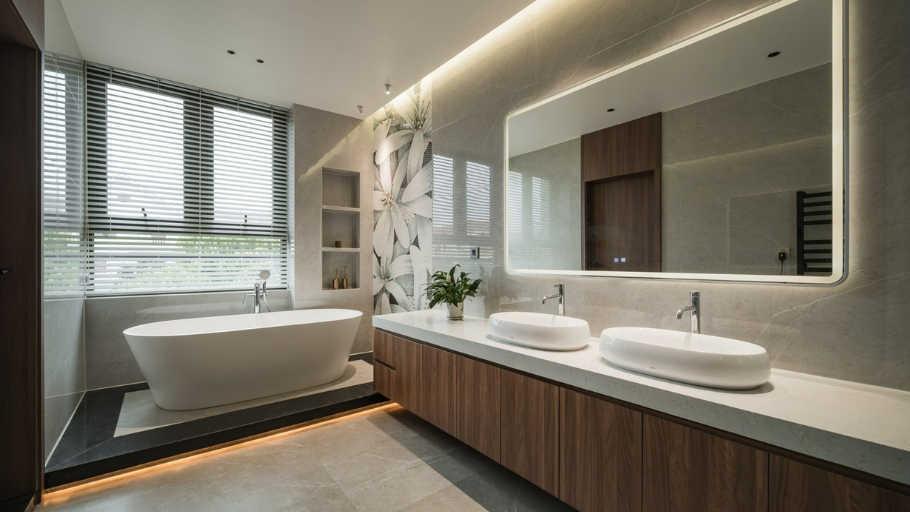
5.2. Villa Hai Phong – European villa with high-class living standards
The private space in this project is handled by SENDESIGN in a minimalist but in-depth way, to create a real feeling of rest. Instead of using many details, the design focuses on light, materials and moderation.
Thanks to that, each personal space remains quiet, private and suitable for the need to regenerate energy after daily activities.
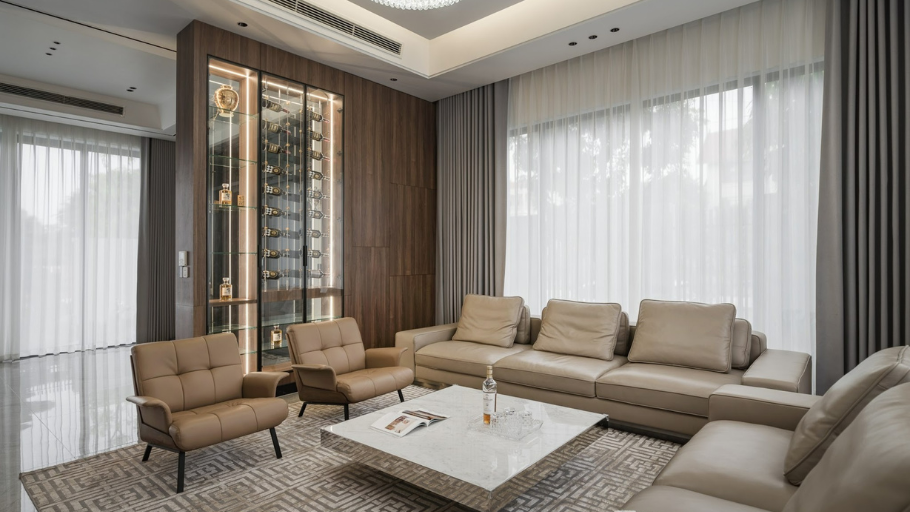
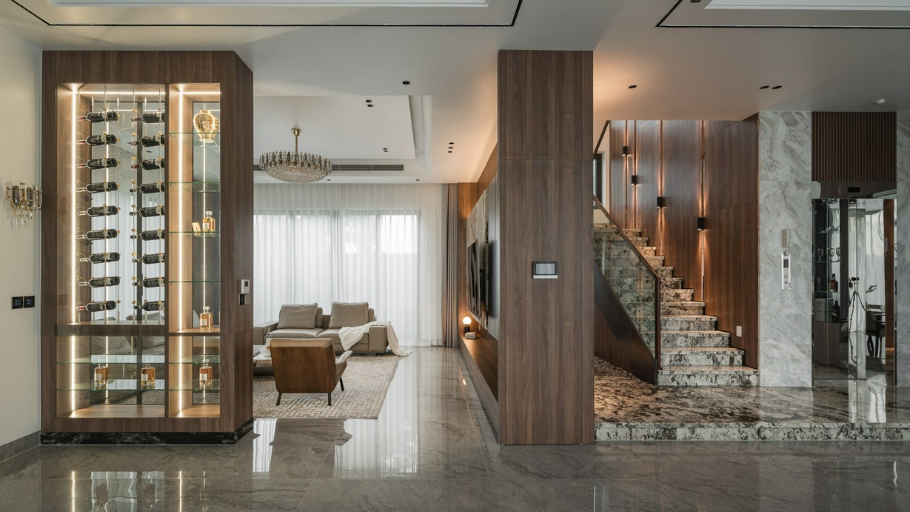
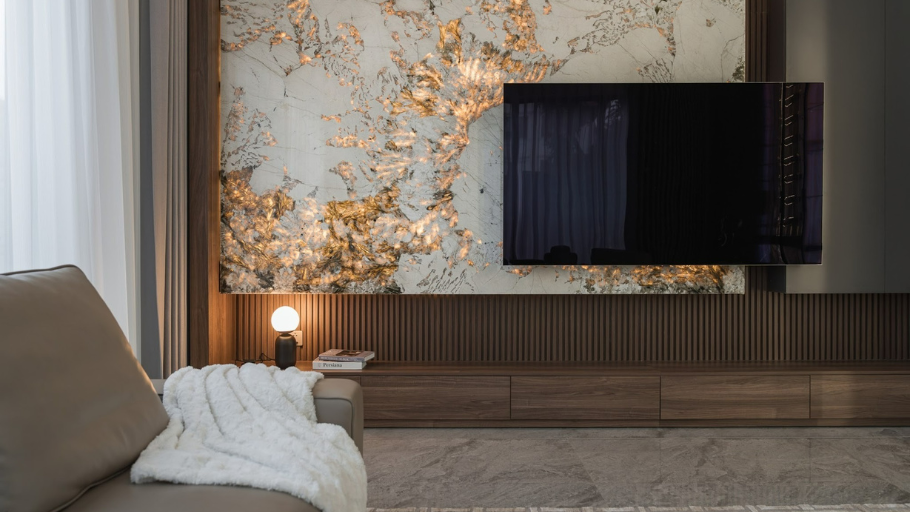
5.3. Ciputra Villa – European Villa that emphasizes sophisticated living experience
In this project, SENDESIGN pays special attention to transitional spaces such as hallways, stairs or side halls – areas that are often overlooked but greatly affect the overall experience.
These spaces are designed seamlessly, using materials throughout and indirect lighting to create a feeling of gentle, uninterrupted movement.
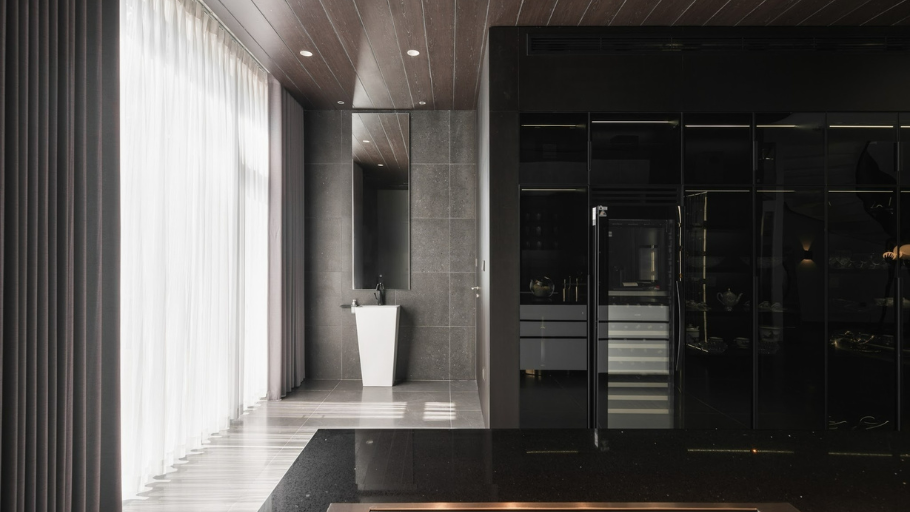
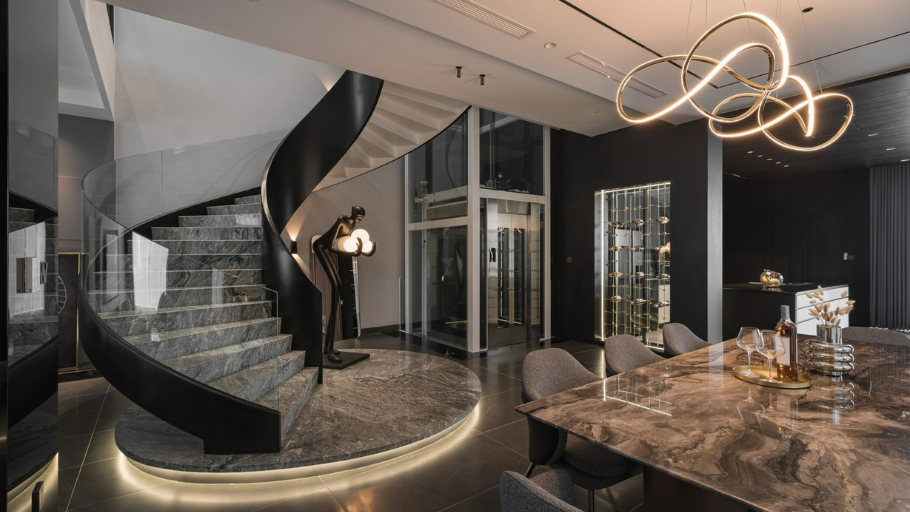
Note: Some images in the article are for reference only and are not projects belonging to SENDESIGN.
European-style villas do not lie in form, but in the ability to control proportions, light and materials to create a sustainable living space over time. When implemented correctly, the project is not only beautiful now but also retains its value for many years of use. For projects requiring high precision, SENDESIGN approaches the role of general design & construction contractor, ensuring consistency from idea to completion, helping homeowners own a living space in the European spirit, without deviation from standards during implementation.