European interior design: Symbol of luxury living space
SENDESIGN
|
August 8, 2026
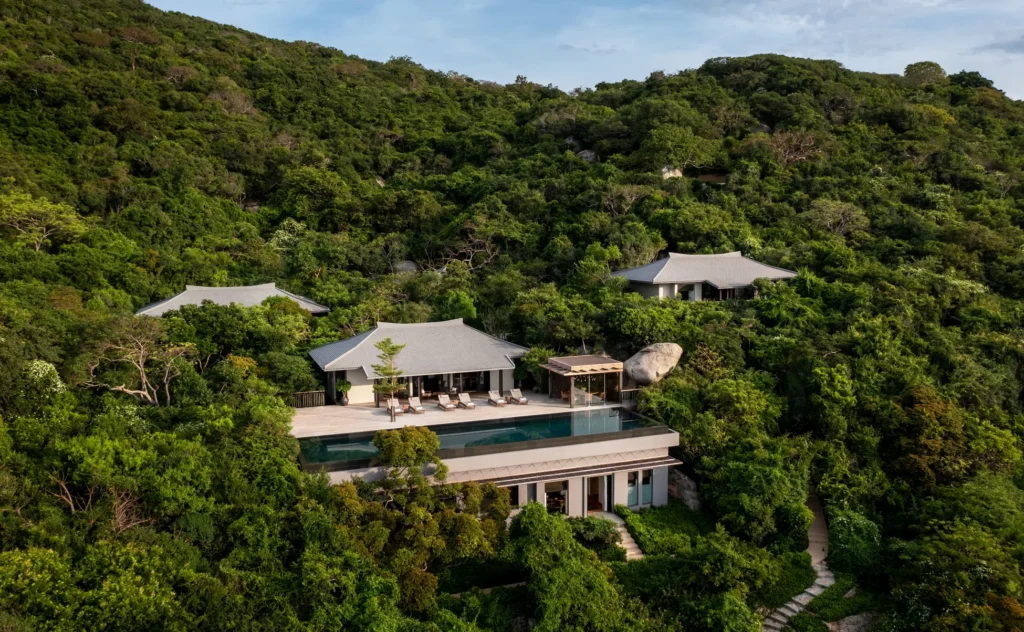
European interior design is not just about form, but originates from architectural proportions, materials and living experiences. For villa, villa or penthouse spaces, this is an approach towards streamlining, sustainability and emotional depth. Join SENDESIGN to look back at the core principles that help European interiors achieve lasting harmony.
1. European furniture: Core characteristics and advantages and disadvantages
European interiors are recognized through standard architectural proportions, clear spatial structures and prioritization of natural materials such as stone, wood, and monolithic metal. This is not a decorative style, but a design mindset inherited from classical European architecture – where light, layout and details all serve balance and long-term use value, instead of following short-term trends.
Three core foundations of European interiors:
Advantages & disadvantages of European furniture
European furniture brings many outstanding values in terms of aesthetics, quality and living experience. However, to be implemented in the right spirit, this style also imposes strict requirements on proportion, cost and construction capacity.
AdvantagesLimitationsBrings a feeling of sophisticated luxury and aesthetic stability over timeFocuses on quality, suitable for large assetsClearly shows the homeowner’s position and aesthetic tasteSustainable over time, the more you use it, the more beautiful it isHigh investment and construction costs due to standard materials and finishesRequires standard architectural area and proportions to ensure eleganceRequires truly capable design and construction units to avoid aesthetic deviationsNot suitable for the Small premises, low ceilings or divided structural systems. The principles of architectural proportion, high-quality materials and balance in layout are also the foundation for creating European-style villas, where the design language is fully promoted to create a luxurious, sustainable and rich living space with aesthetic value over time.
2. European interior styles and how to apply them to modern villas
Contemporary European furniture is not limited to classic or semi-classical as many people think. From Neoclassical, Modern European to Scandinavian or Mediterranean, each school has its own identity. SENDESIGN chooses an approach that emphasizes moderation, streamlining of shapes, emotional materials and especially long-term living experience, instead of pursuing heavily formal decor.
2.1. Neoclassical – Balanced solution for contemporary villas
Neoclassical is a gentle transition from classic to modern, retaining the spirit of luxury but eliminating elaborate molding details. This is the ideal choice for villas that need a balance between tradition and modernity without creating a heavy feeling.
Neoclassical style application orientation
The following principles help maintain the Neoclassical spirit but still fit the lifestyle:
For homeowners who love a more minimalist design language but still emphasize natural light, sustainable materials and standard functionality, Nordic style home design is also a choice worth considering for a modern living space.
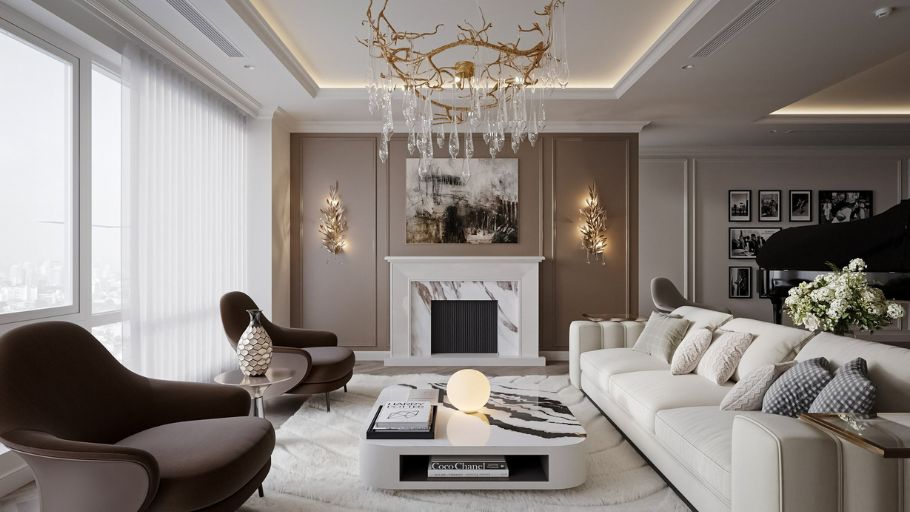
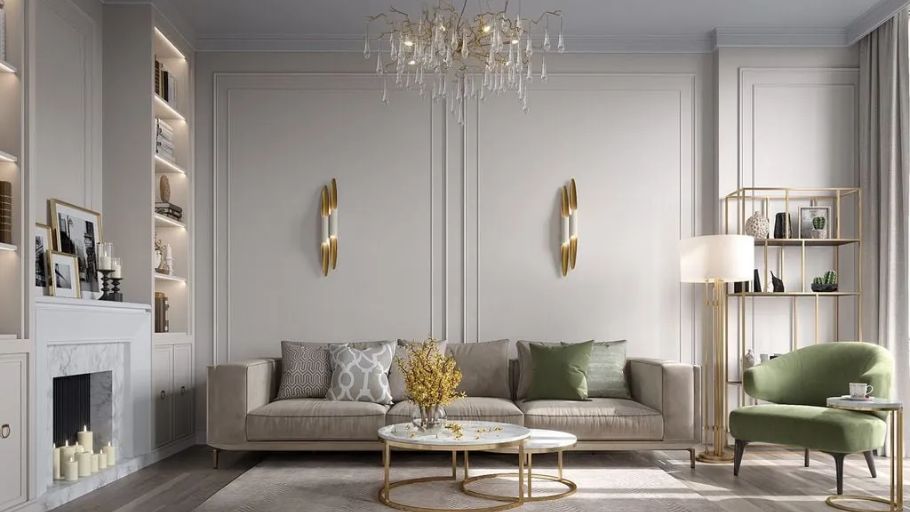
2.2. Modern European – Streamlined Europe for a modern lifestyle
Modern European carries the spirit of contemporary Europe: gentle, streamlined but luxurious in the choice of materials and space organization. This is the most popular school at SENDESIGN.
Modern European style application orientation
This style is suitable for spaces that emphasize light and connection:
These principles are also effectively applied in European-style 1-storey villas, where the spacious floor plan helps optimize natural light, increase the connection between spaces and enhance the streamlined, luxurious beauty of materials.
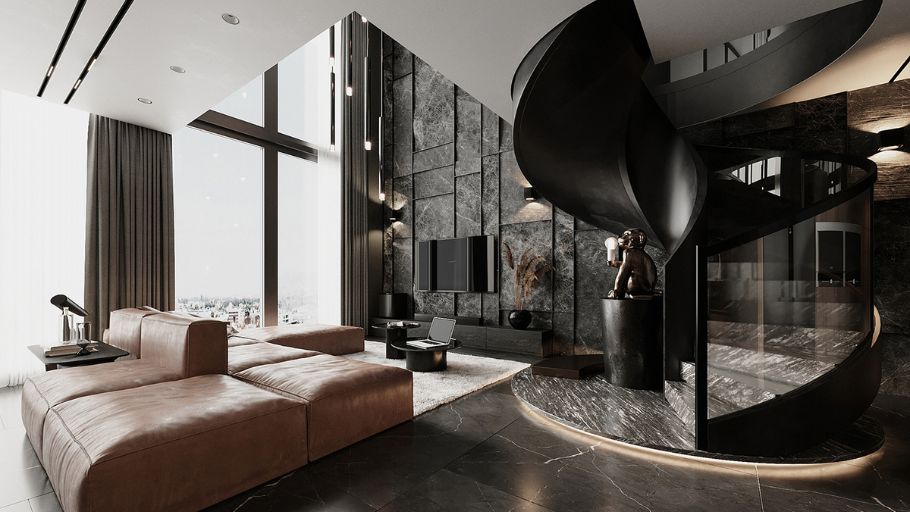
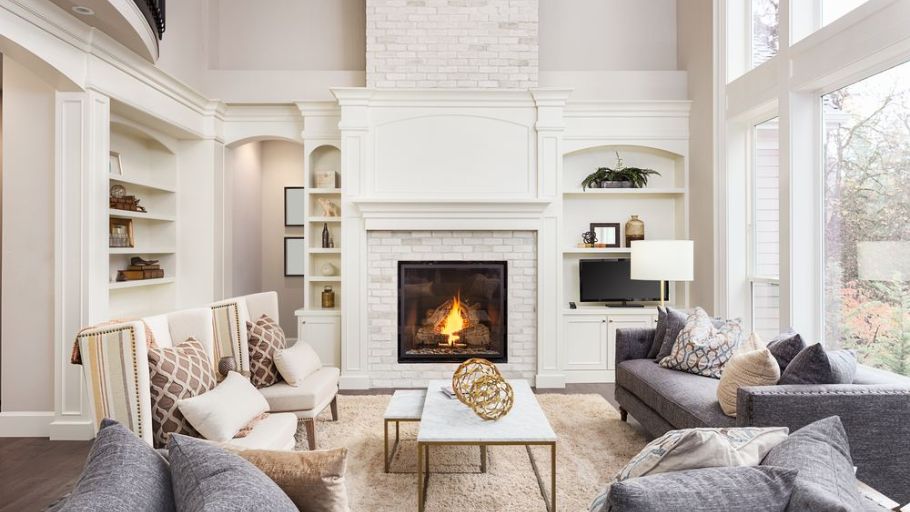
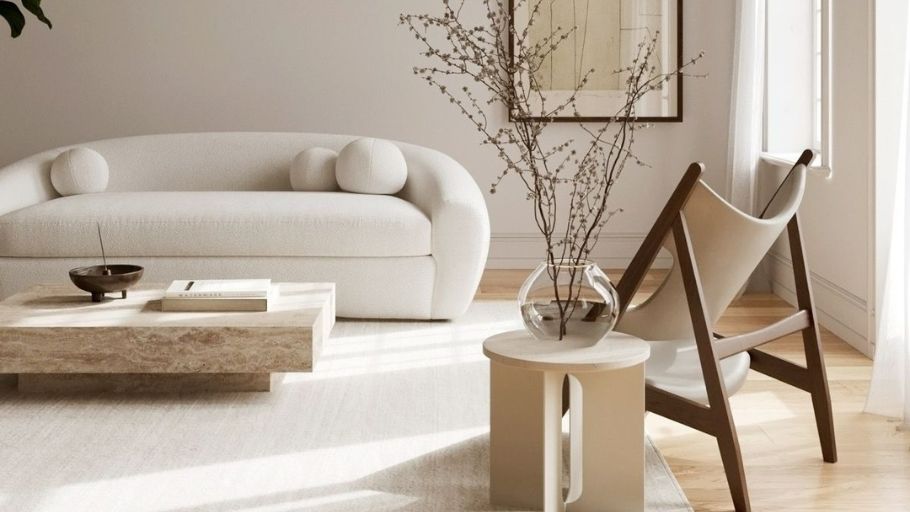
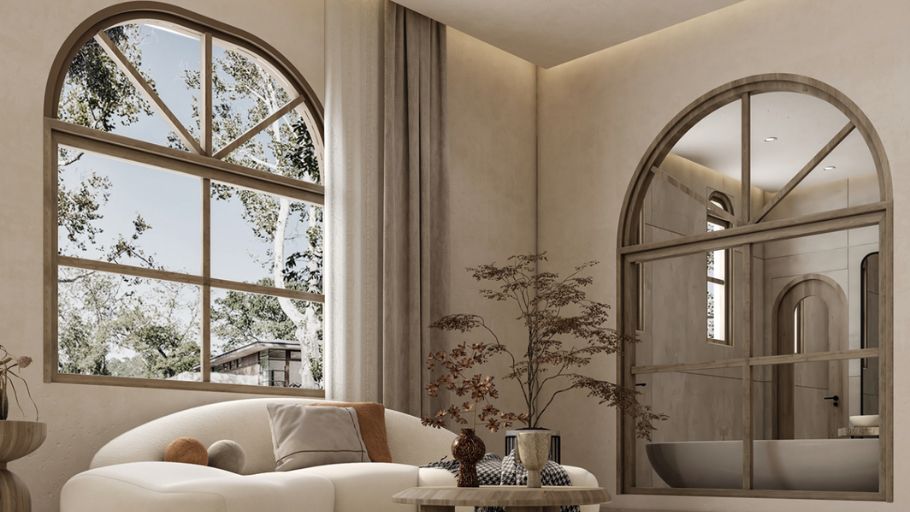
2.3. Scandinavian (Northern Europe) – Europe emphasizes life experience
Scandinavian is not only minimalist in form, but also represents a philosophy of life: gentleness, purity, connection to nature. This is the ideal choice for young penthouses or villas who love light and airiness.
Scandinavian style application orientation
This style creates a bright, soft and livable space:
In order for the values of Scandinavian style to be expressed in the true spirit, the high-end interior construction process needs to ensure precision in material handling, detailed finishing and consistent quality control from design to reality.
2.4. Mediterranean – European style of the Mediterranean Sea
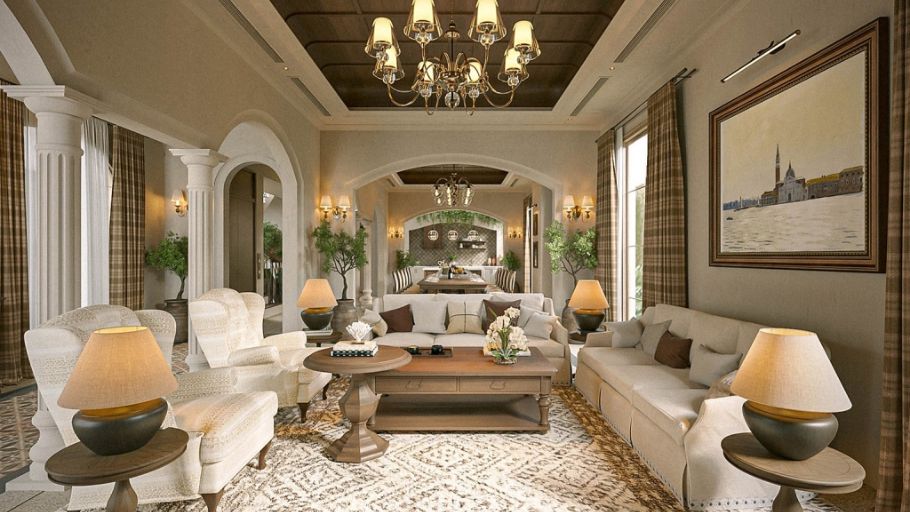
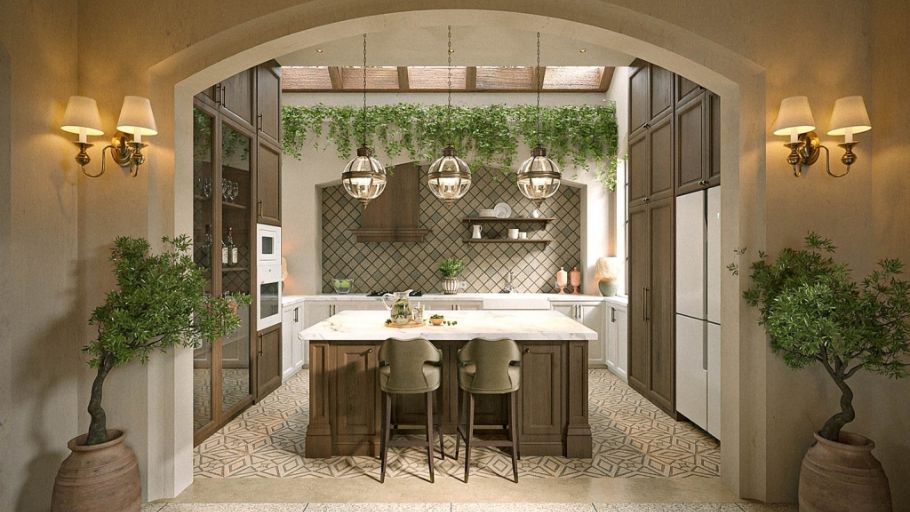
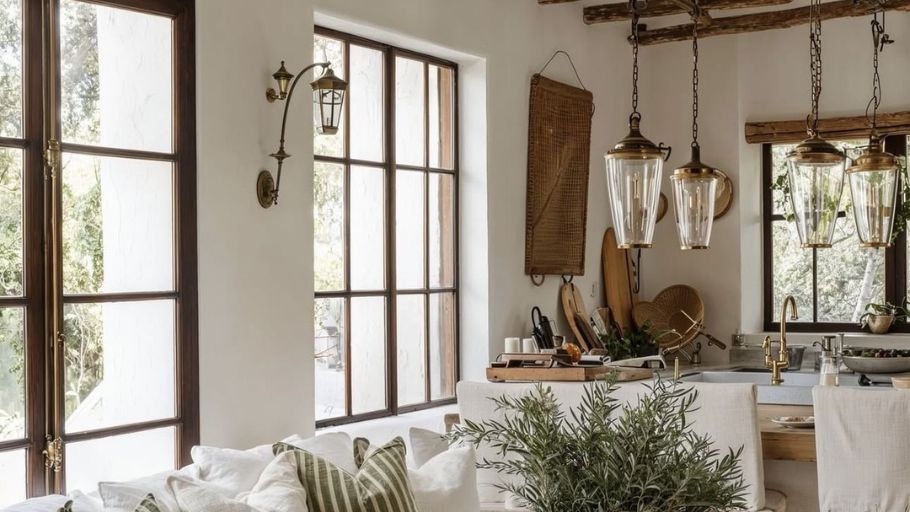
Mediterranean is inspired by Italy, Greece, Spain… with spaces filled with light, rustic materials and colors of sea – sun – land. This style is especially suitable for resort villas or houses with large gardens.
Mediterranean style application orientation
To maintain the characteristic liberal spirit, it is important to note:
For moderate-sized projects, these principles can be fully applied in the design of a 200m2 villa, helping to balance function, aesthetics and harmonious connection with nature.
2.5. Rustic European – Rustic Europe with aesthetic depth
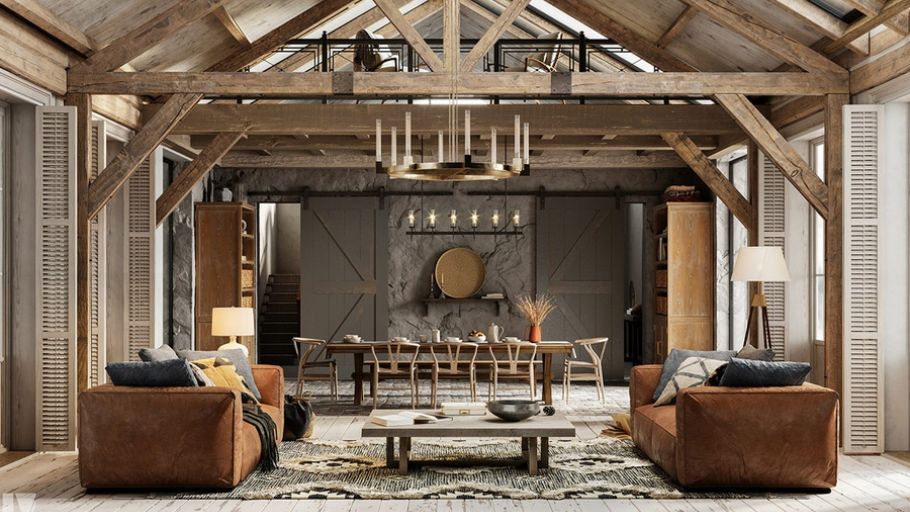
Rustic European bears the mark of rural Europe: warm, natural but still sophisticated and luxurious. This style is not “countryside”, but rather rustic and intentionally processed.
Rustic European style application orientation
The style is suitable for suburban villas, garden houses or spaces that need a peaceful feeling:
These values are especially suitable for the interior design of detached villas, where large space and privacy allow to fully exploit the rustic beauty of natural materials, while creating a cozy and sustainable living experience over time.
3. 10+ European interior design samples
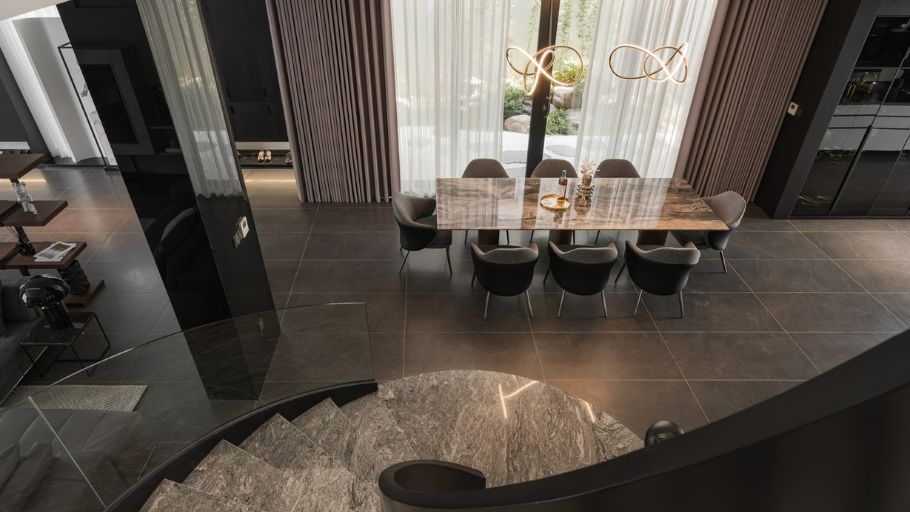
Spaces with a European spirit are not only beautiful in form but also convey a sense of order, depth and rich tactile experiences. To help homeowners more clearly visualize the European style implemented in each functional area, SENDESIGN introduces a collection of designs selected according to the following criteria: streamlining – sophistication – aesthetic sustainability, suitable for villas, villas, and penthouses.
3.1. European style living room interior
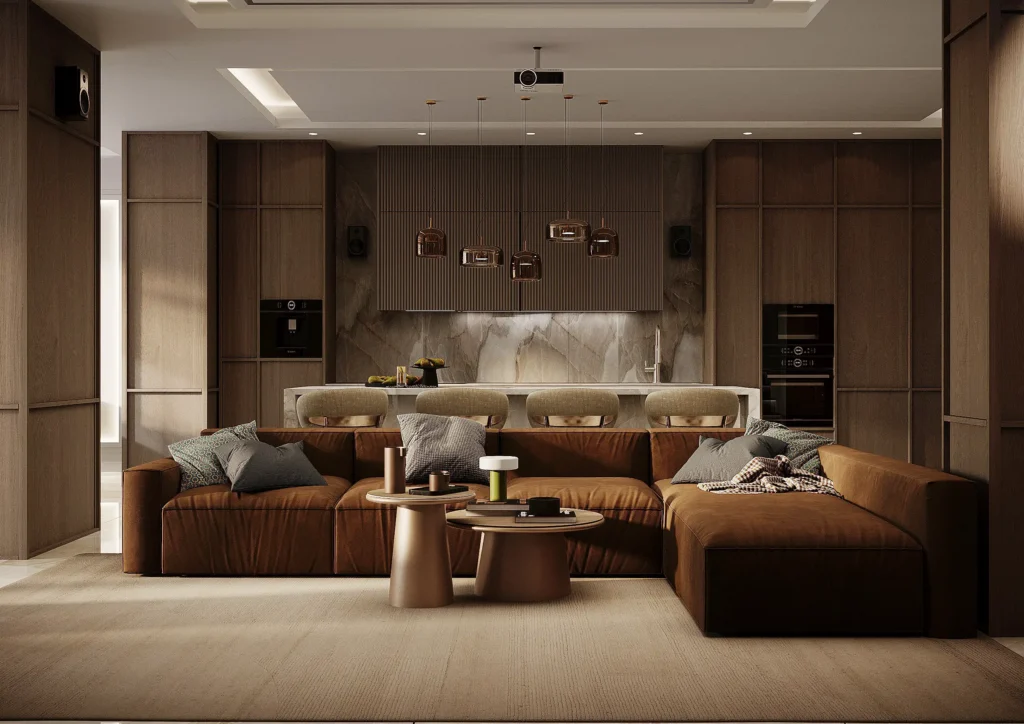
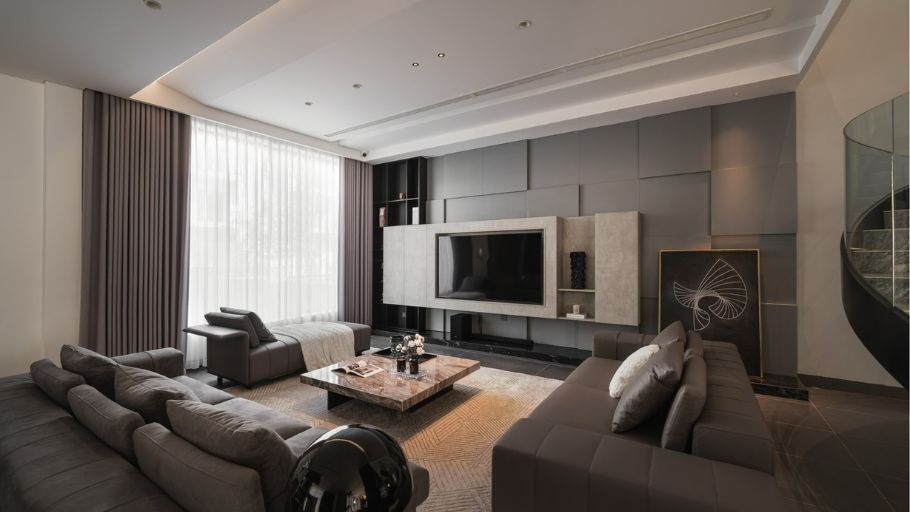
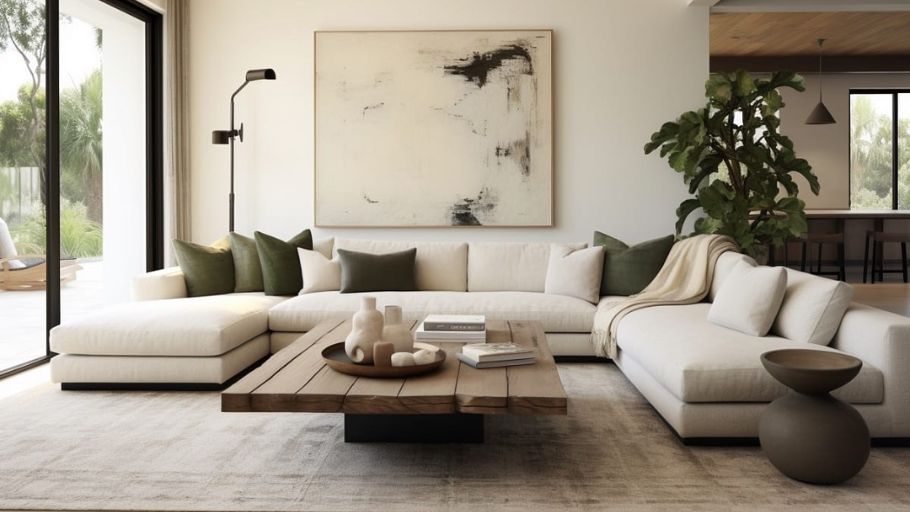
The living room is the space that best represents the spirit of the house. European furniture brings an elegant, sophisticated living room, emphasizing the proportion of space and quality of materials instead of ostentatious decoration.
Features of application in the living room
To fully realize these standards from concept to actual construction, many homeowners choose a complete villa interior design and construction solution, helping to synchronize design, materials, construction techniques and finishing quality throughout the entire living space.
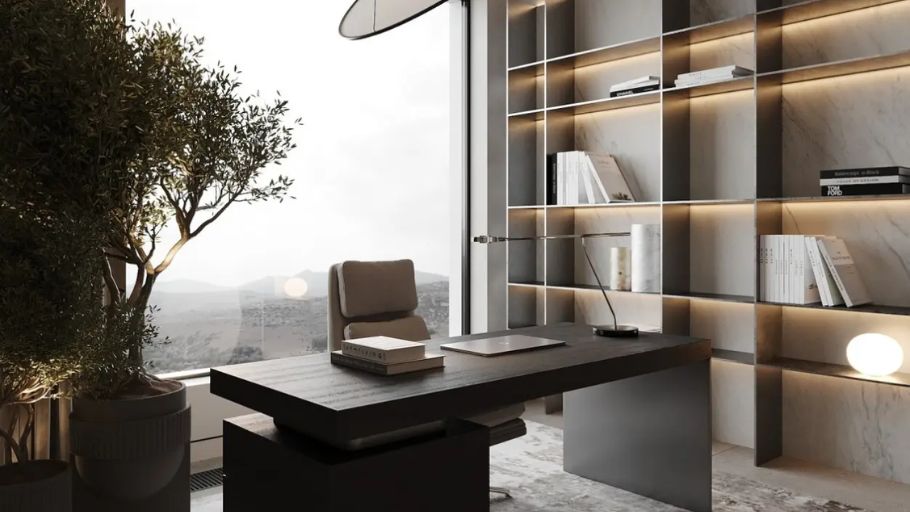
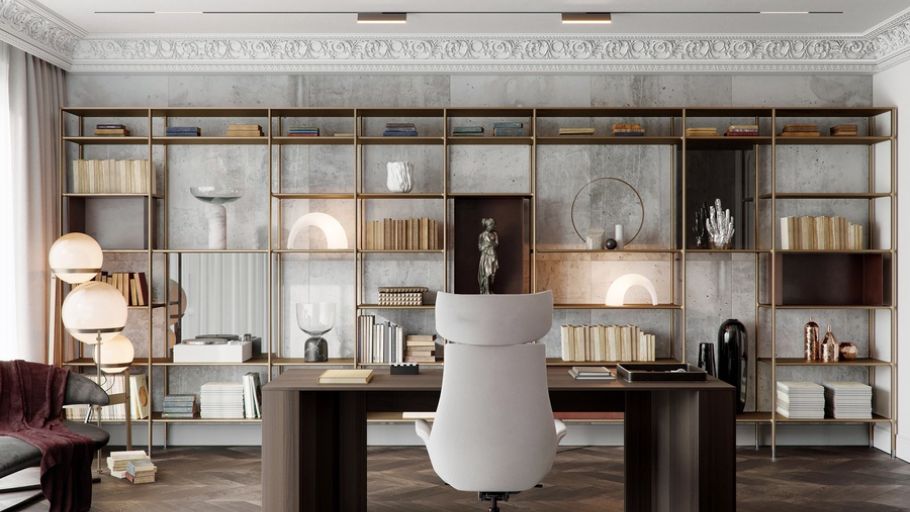
3.2. European style office
European-style workspaces aim for focus and depth, with minimalist lines and natural materials creating a feeling of warmth, tranquility and luxury.
Orientation for office design
3.3. European style kitchen
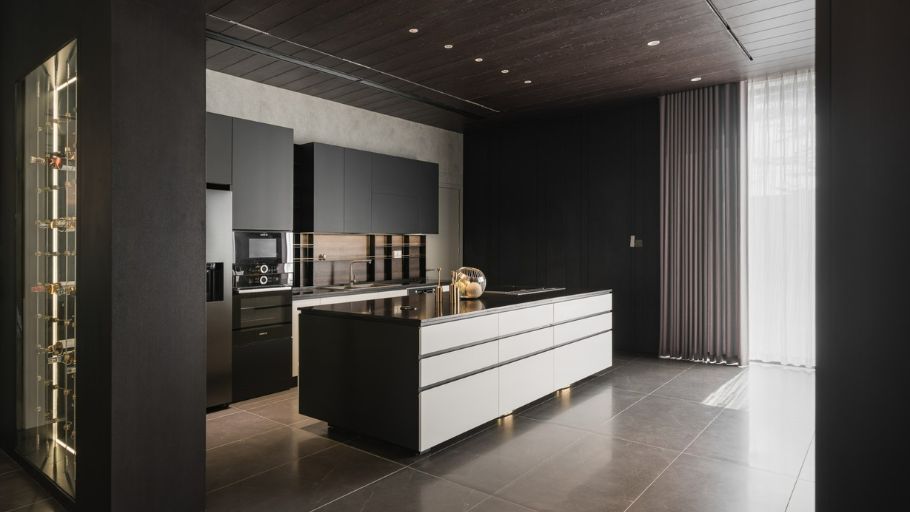
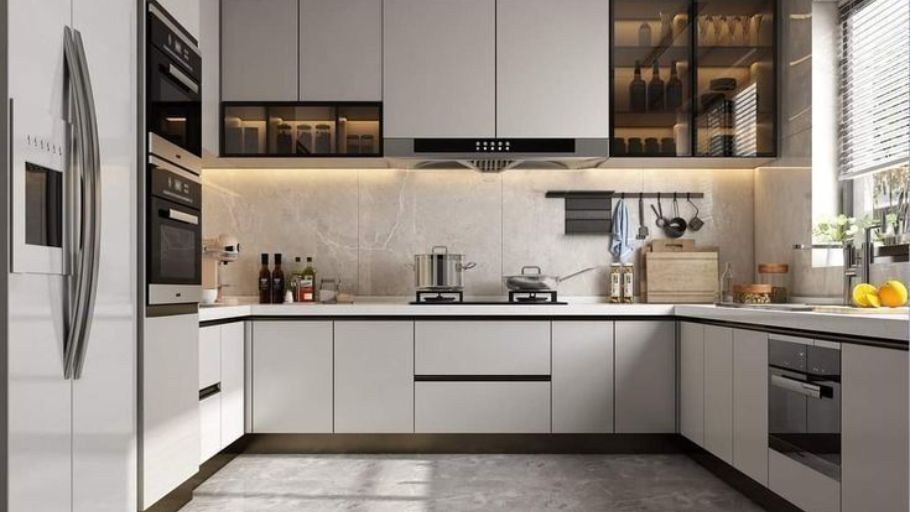
European kitchens have a spirit of practicality – luxury – durability. This is a space that clearly demonstrates construction workmanship and material quality.
Application orientation in the kitchen
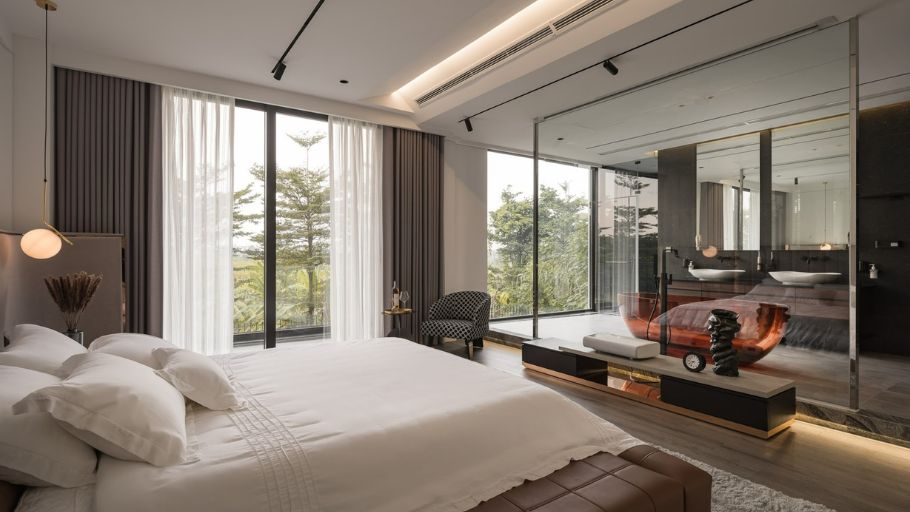
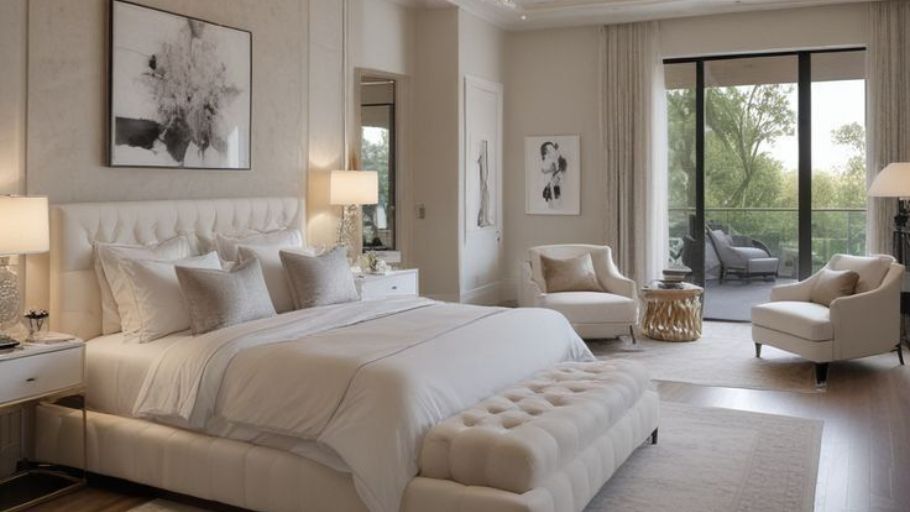
3.4. European style bedroom
European bedrooms promote a sense of deep rest and the tranquility of materials. Neutral color blocks combined with soft lighting create the ultimate relaxing experience.
Bedroom design orientation
3.5. European style bathroom
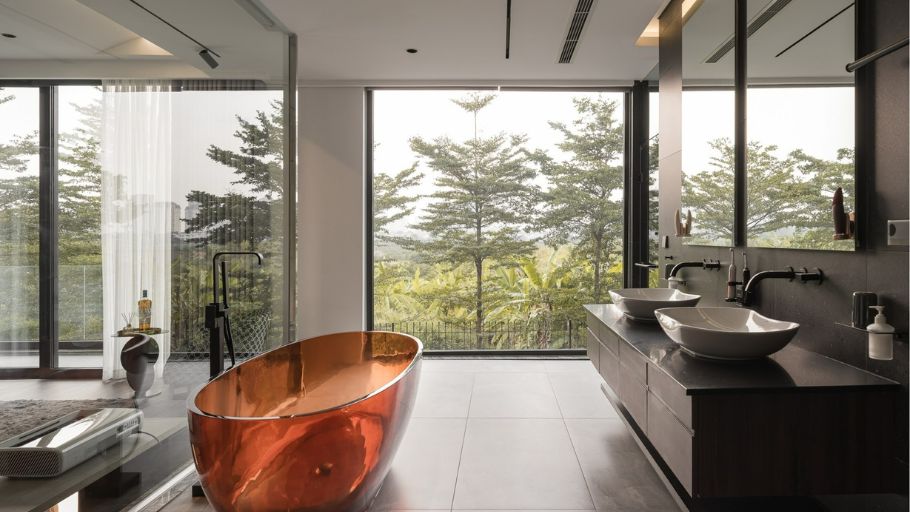
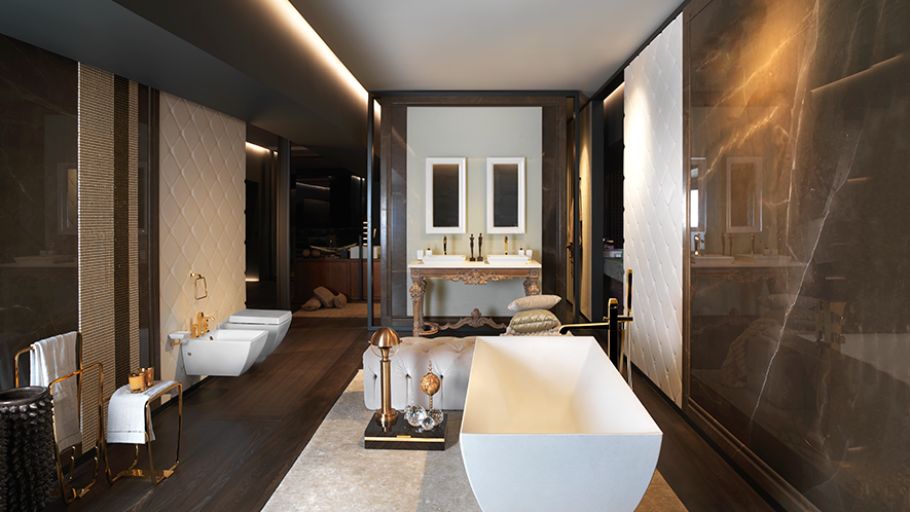
The bathroom in European style is a combination of spa-inspired and luxurious materials. The space is designed as a separate, private space for the homeowner.
Bathroom design orientation
4. Common mistakes when applying European furniture in Vietnam
Without the foundation of architectural proportions, climate and aesthetic language, many projects in Vietnam fall into the “European formality” situation – beautiful in reference photos but not up to actual quality. The mistakes below are the reason why many villas, villas and penthouses lose their standard European spirit even though the investment is not small.
5. Materials & details typical of European interior design
European interiors do not rely on ostentation but are defined by original materials, emotional lighting and refined finishes. The value of this style lies in the way surfaces interact with light, in the “realness” of materials and in the careful selection of each touch point. This is the element that creates sustainable luxury – a characteristic that makes European interiors always retain their timeless appeal.
5.1. Materials: Symphony of textures
In European design, materials are not just surfaces but part of the living story. Stone, wood, metal, fabric… are combined according to the principle of intentional contrast: rough – smooth, warm – cold, light – dark.
Typical materials
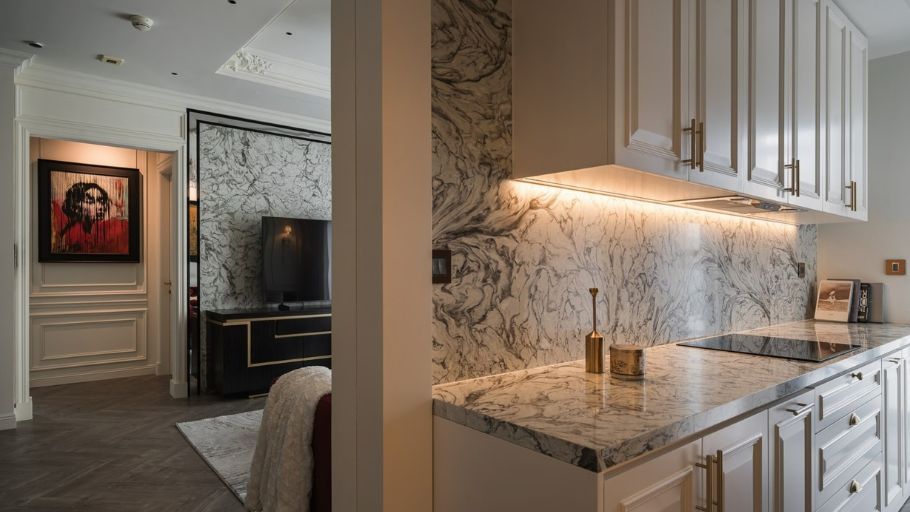
The value of materials in the European spirit lies not in their shine but in the genuine feel and aesthetic depth they bring. The contrast in surfaces helps the space become rich in layers, while natural materials help the project be sustainable over time, even more beautiful the more it is used. This is the foundation that creates the sophisticated elegance of European interiors – a beauty that is unobtrusive but strong enough to last.
5.2. Light: Art and depth
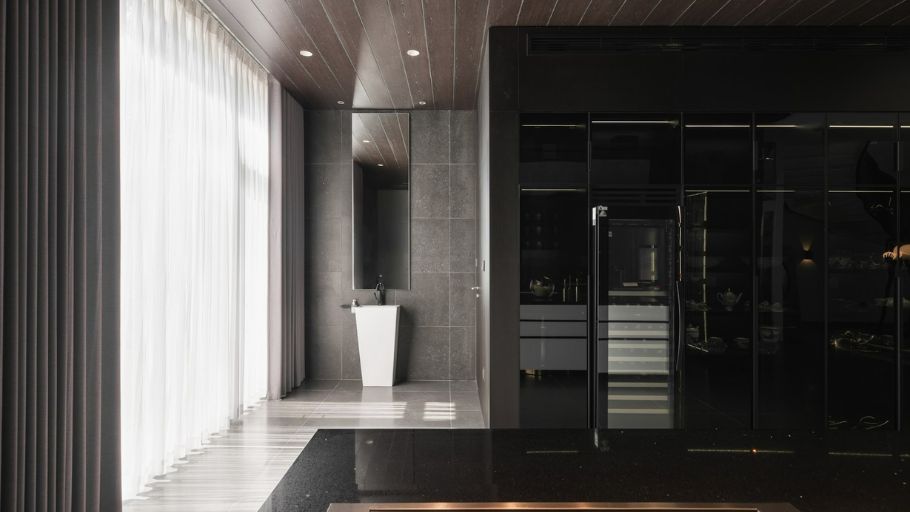
In European interiors, lighting is considered a special class of materials. Lighting not only brightens the room, but creates mood, creates visual stops and highlights materials.
Principles of lighting organization:
Lighting in European interiors is not only a technical element but also becomes a “soft material” that shapes the emotions of the entire space. When natural light, symbolic lighting and creative layers are intentionally placed, materials reveal depth, architectural structures are highlighted and a luxurious atmosphere is established without the need for ostentatious decoration. It is the ability to maintain a stable emotional rhythm and create lasting relaxation that makes light the soul of the European spirit – delicate, soft and full of experience.
5.3. Finishing details: Sophistication in the “drop point”
The European interior does not have many details, but each detail appears in the right place. This style emphasizes sophistication in finishing – where proportions, materials and surfaces are handled with absolute precision.
Typical details of European interior design
The value of details in modern European interiors lies in streamlining and precise “falling points”. Curved lines from stone, wood or metal, along with sustainable natural materials, are delicately processed, making the space luxurious in a gentle way. When open space, natural light and connection to nature are organized in harmony, each detail becomes an emotional highlight – creating the sophisticated and sustainable European style SENDESIGN pursues.
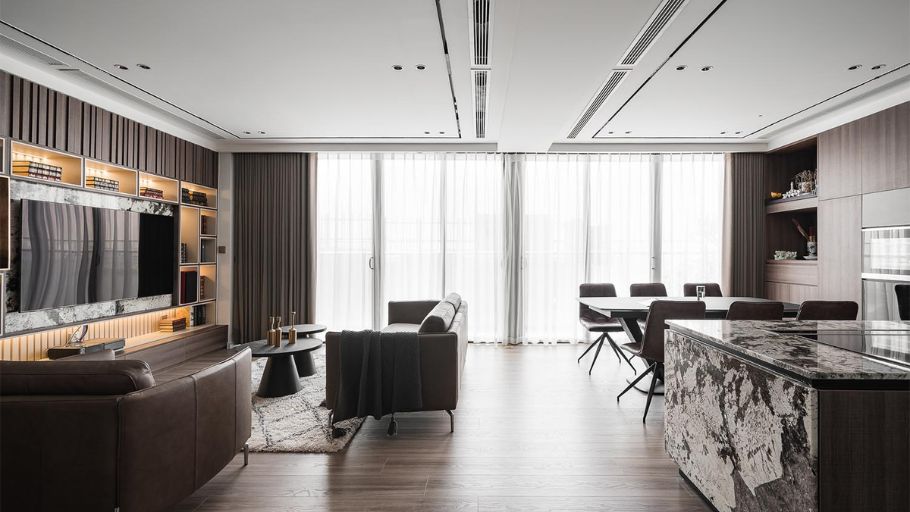
With SENDESIGN, European interior design is implemented according to the design-build general contractor model, ensuring absolute consistency between ideas, finishing quality and actual progress. The role of the general contractor helps the project to be strictly controlled from architectural proportions, materials, lighting to every touch point used, bringing a sustainable and spirited European living standard. At the same time, this model also helps busy homeowners minimize management time, so they can focus on creating greater values in life and career without having to worry about risks during the implementation process.
Enjoy the journey of creating a relaxing living space with General Contractor SENDESIGN!