Framing the View: The Art of the Perfect Window
SENDESIGN
|
August 26, 2026
In architecture, windows have always been one of the fundamental elements of a building. They bring natural light, fresh air, and views of the outside world into our living spaces. Yet in contemporary architecture, their role has evolved far beyond these basic functions. A well-positioned window does more than open up a view; it shapes how we experience a space and connect with its surroundings.
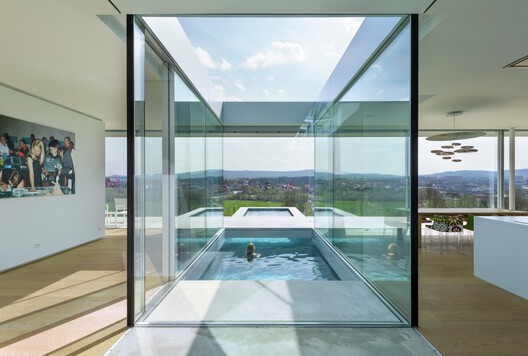
This idea is captured by the concept of Framing the View, which treats the window as an architectural picture frame. Rather than simply opening the interior to the landscape, a window carefully selects what we see, controls how light enters the space, and helps define the boundary between inside and out.
More interestingly, this approach echoes the principles outlined in De Architectura, the seminal treatise by Roman architect Vitruvius. He argued that good architecture rests on three fundamental qualities: Firmitas (durability), Utilitas (utility), and Venustas (beauty). More than two thousand years later, these principles still offer a useful framework for understanding what makes a truly successful window.
Firmitas: Structural Integrity and Durability
In Vitruvius’s philosophy, Firmitas refers to the durability and structural stability of a building. A design only has lasting value when it is strong enough to withstand time and adapt to the conditions of its environment.
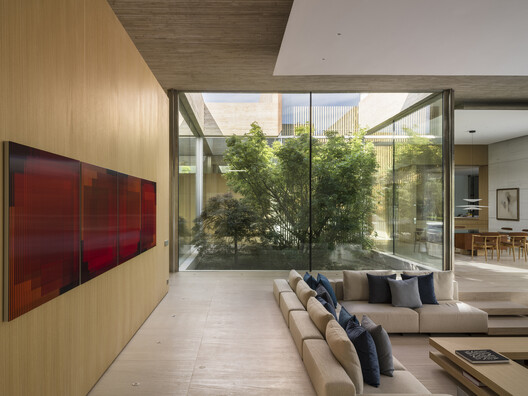
This is especially true of windows, which are constantly exposed to sun, rain, and wind. Beneath their increasingly minimalist appearance lies a growing set of technical demands, from structural strength and acoustic performance to thermal insulation, weather resistance, and safety. Large-format glazing, high-performance aluminium frames, and hybrid systems combining metal and timber all pursue the same goal: creating a window system durable enough to become almost invisible in the user's experience.
Utilitas: Functionality for Everyday Life
In Vitruvius’s philosophy, Utilitas refers to the functionality and usefulness of architecture. Before a building can be considered beautiful, it must first serve the everyday needs of the people who inhabit it.
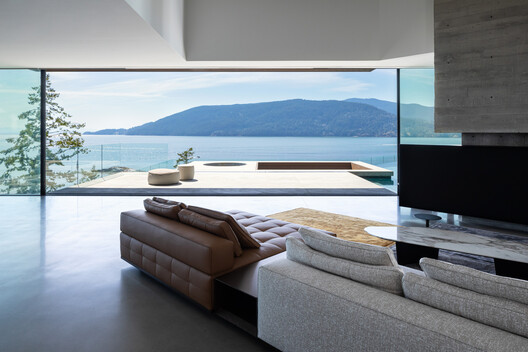
For windows, functionality now extends far beyond bringing in light and ventilation. Concealed sliding systems, corner glazing, and fully opening doors can dissolve the boundary between interior and exterior, allowing gardens, terraces, and surrounding landscapes to become extensions of the living space.
In this sense, the window is no longer simply an architectural element. It becomes a tool for reshaping how people use, move through, and experience the home as a whole.
Venustas: Shaping Our View of the World
If Firmitas represents durability and Utilitas functionality, then Venustas speaks to the beauty and aesthetic value of architecture. Yet beauty, in this context, is not simply a matter of form. It also lies in architecture's ability to evoke emotion.
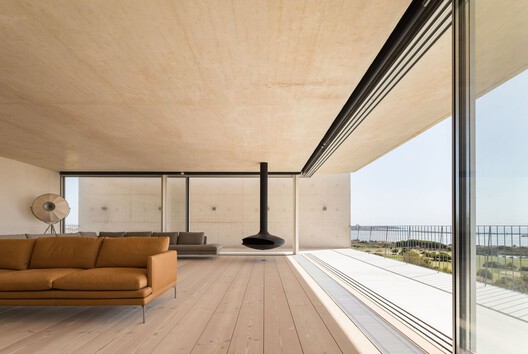
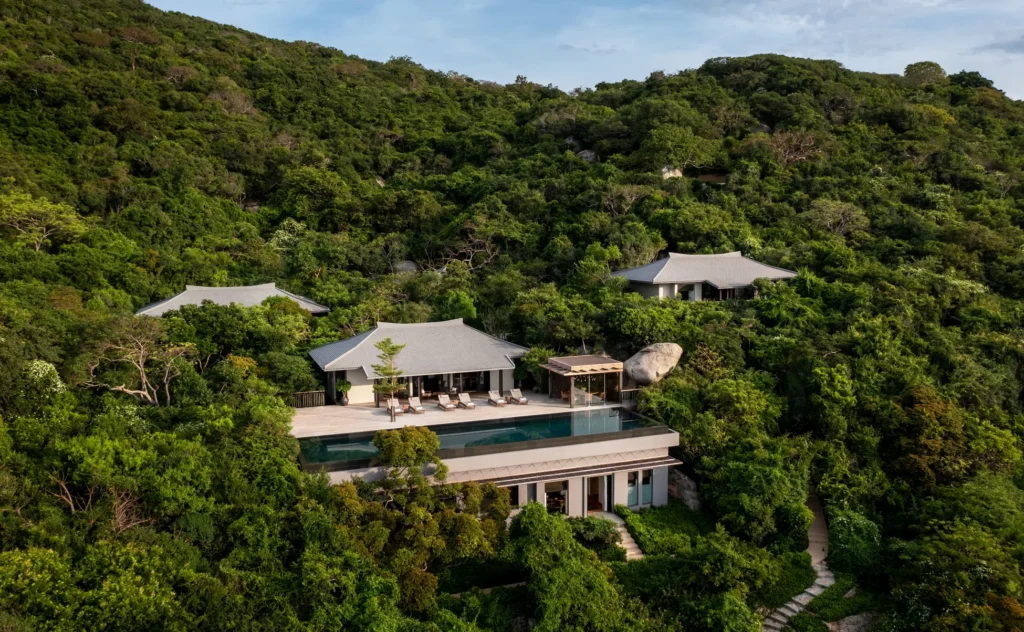
That is precisely the spirit of Framing the View. In many contemporary buildings, window frames are reduced to a minimum, allowing light and landscape to take centre stage. Rather than becoming a focal point themselves, windows recede into the architecture, allowing nature to become the protagonist.
A garden, a body of water, or a distant horizon can all be “framed” like works of art, turning each glance outside into an integral part of the spatial experience.
The Ideal Window: A Balance of Three Principles
More than two thousand years after De Architectura was written, materials, technology, and architectural language have changed dramatically. Yet Vitruvius’s three principles remain remarkably relevant when we consider how a window is designed today.
An ideal window is not defined simply by its size or the minimalism of its frame. What matters more is its ability to balance structural integrity, functionality, and aesthetic experience. This is where Framing the View becomes more than a design approach. It becomes a way for architecture to connect people with light, landscape, and the spaces they inhabit.
Source: ArchDaily