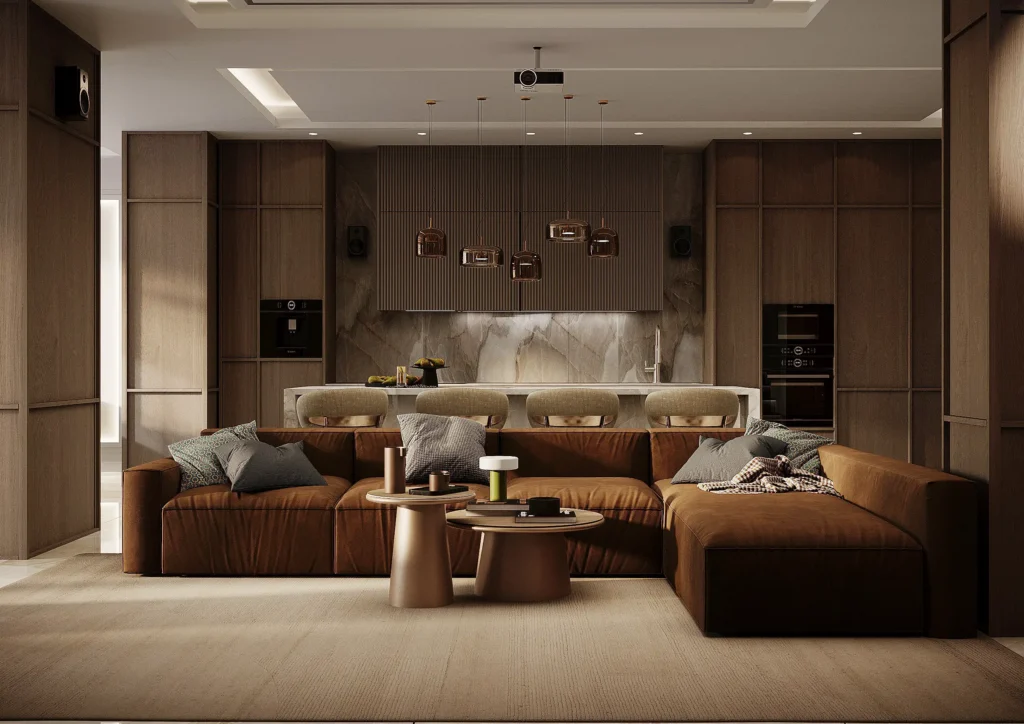
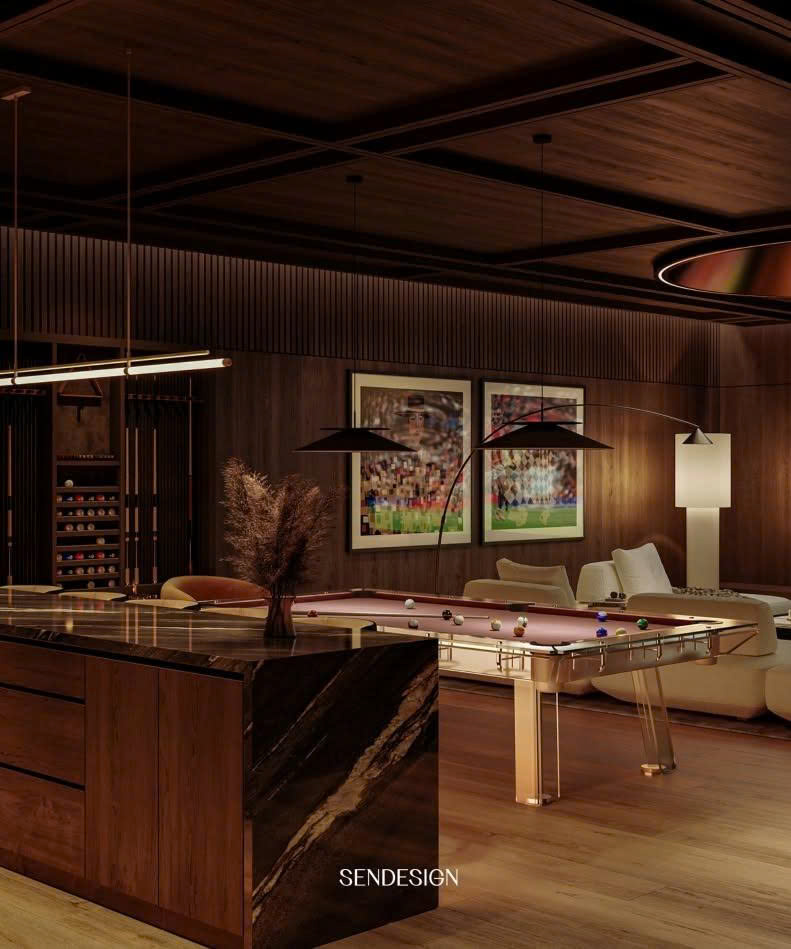
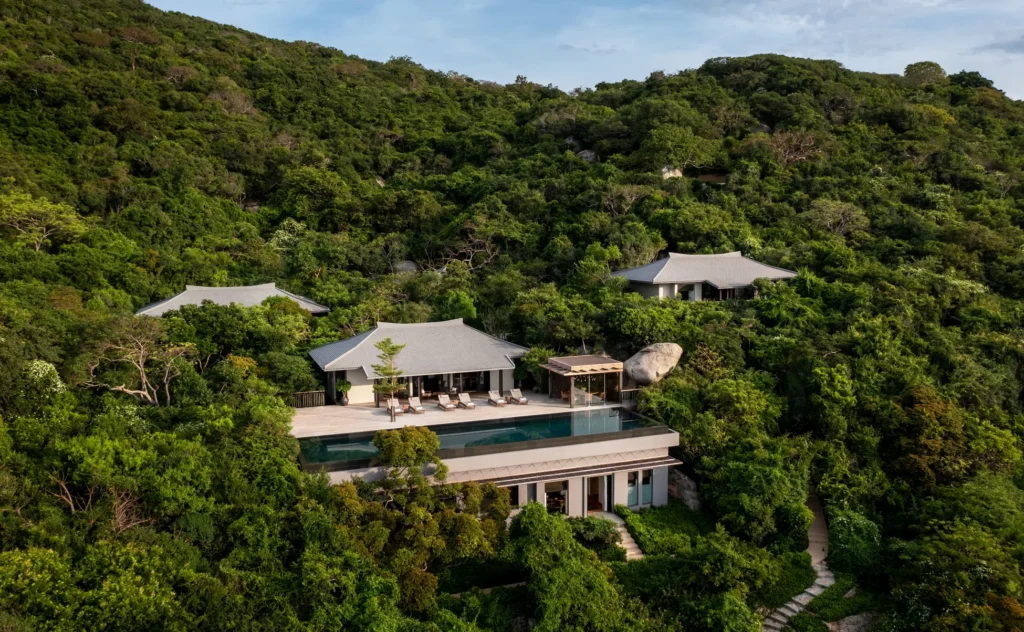
Japandi Style – The Perfect Fusion of East Asian Serenity and Scandinavian Minimalism
SENDESIGN
|
August 10, 2026
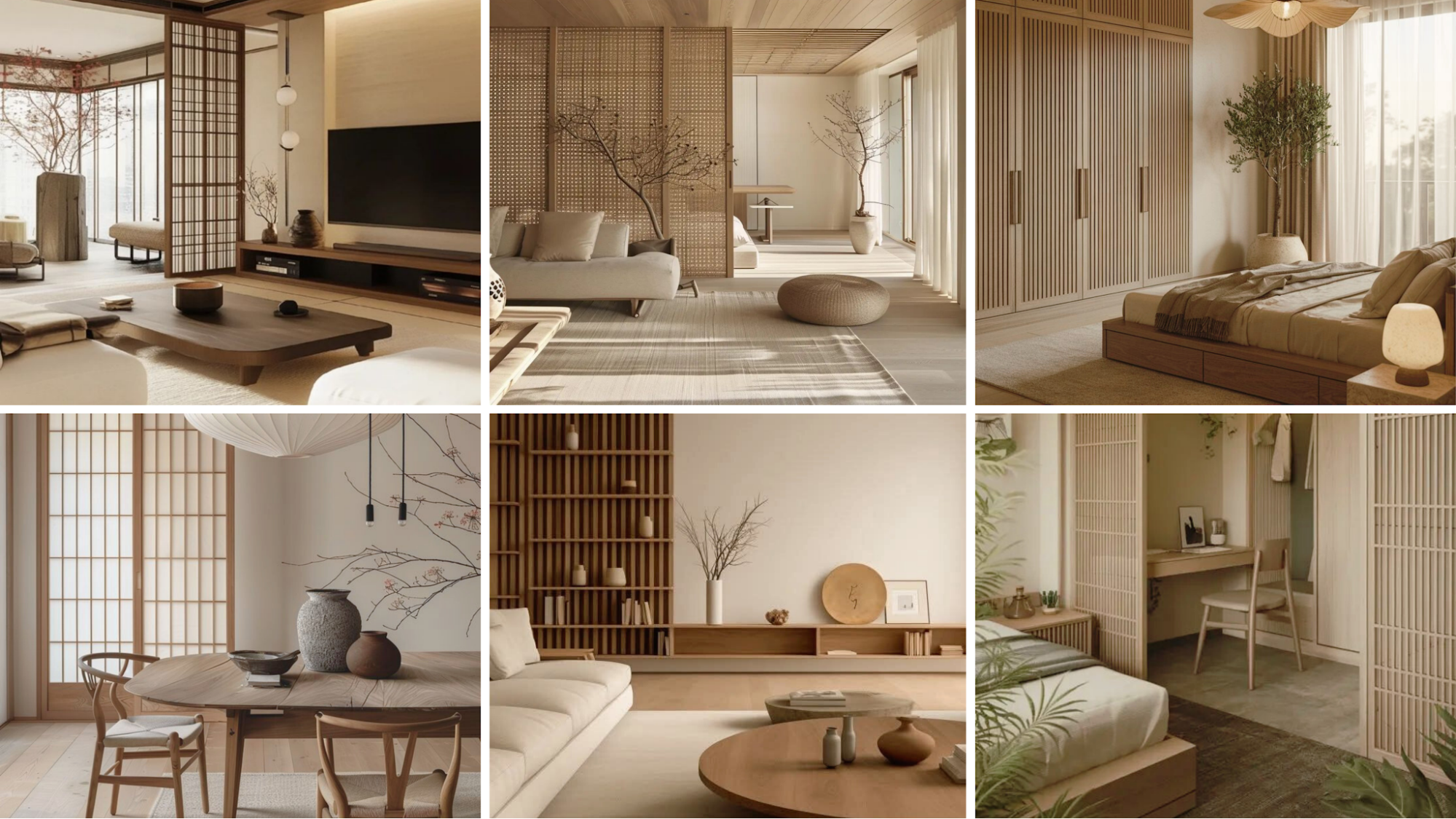
Japandi is a blend of Japan's Wabi-sabi philosophy and Scandinavia's Hygge way of living, creating living spaces that are minimalist, warm, and refined. More than a design style, Japandi aims for balance, calm, and the removal of clutter from modern life. This article will help you understand the characteristics of Japandi, how to apply it in living spaces, and interior-finishing solutions from a professional general contractor.
In this article
- Decoding Japandi: Discover the unique combination of the Japanese spirit and the Scandinavian way of living.
- 5 core characteristics: Recognize a Japandi space through its palette, materials, lighting, furniture forms, and restrained decorative art.
- Practical application: Suggestions for arranging living room, bedroom, and kitchen spaces with a strong Japandi feel.
- The construction challenge: An analysis of the key considerations for preserving the design's "soul" during the real-world phase.
- Solutions from SENDESIGN: Discover five philosophies for creating upscale Japandi spaces, cohesive from design to construction by general contractor SENDESIGN.
1. What Is Japandi Style? The Origins of an Artistic Fusion
To create a truly "healing" living space, we need to understand the origins and philosophy behind this style.
The Japandi concept
Japandi is a portmanteau of "Japanese" and "Scandinavian." The greatest common ground between the two styles is a deep love of minimalism, nature, and practical function. When combined, they complement each other perfectly: Scandinavian coolness is warmed by East Asian rusticity, while Japanese strictness is softened by Scandinavian modernity and openness.
The core philosophy: When Wabi-sabi meets Hygge
- Wabi-sabi (Japan): Evokes the Zen meditative spirit of the land of cherry blossoms, seeking beauty in imperfection and valuing the naturalness, authenticity, and impermanence of all things.
- Hygge (Scandinavia): A philosophy of finding joy in small things, creating cozy, relaxing spaces that connect family members.
If you love minimalism, warmth, and a focus on function, you can also explore Scandinavian-style villas to better understand the values the Scandinavian philosophy brings to architecture and interiors.
2. Five Core Characteristics of Japandi Interior Spaces
Recognizing a space with a Japandi feel is not difficult if you grasp the five basic visual principles below:
2.1. A Neutral, Serene, and Warm Color Palette
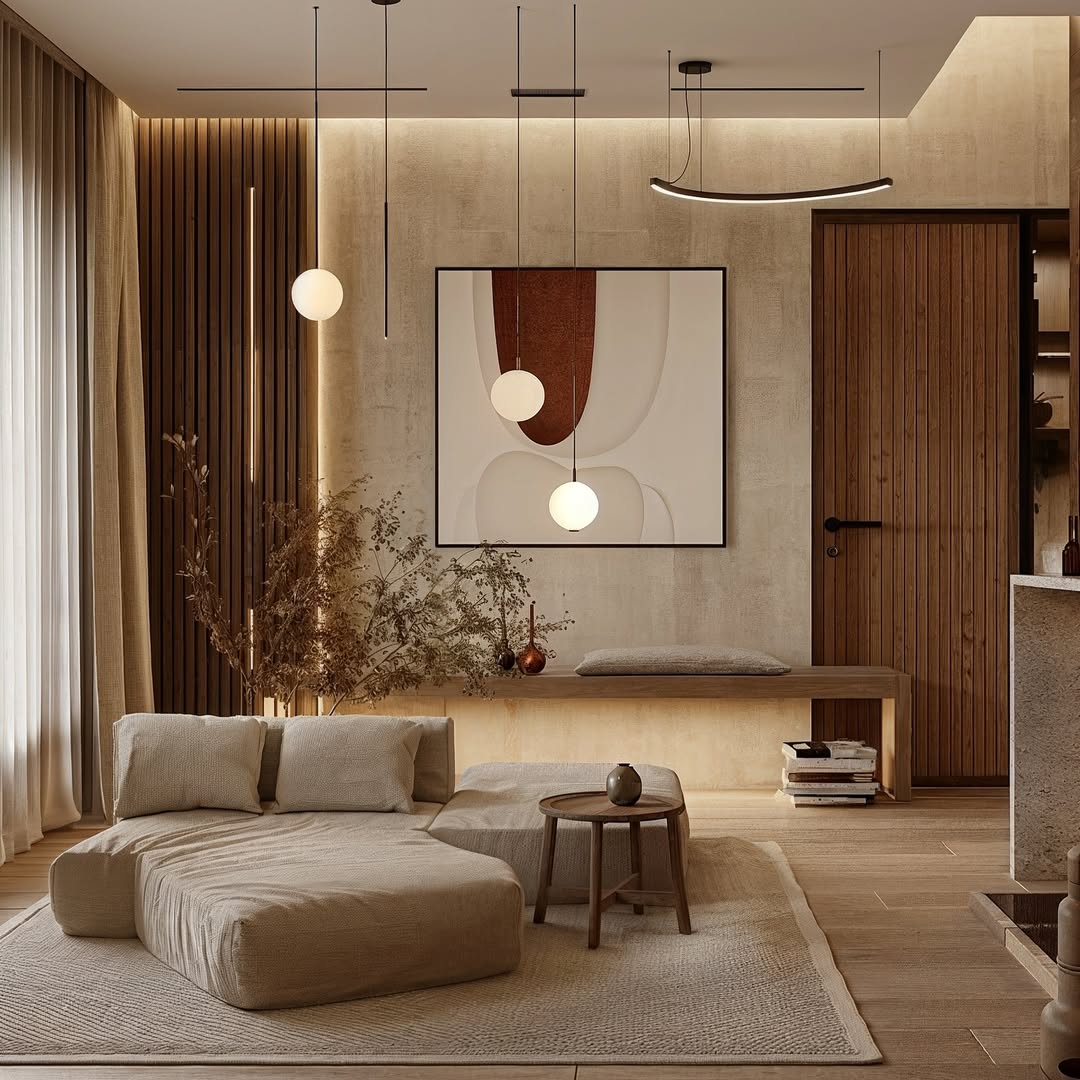
Japandi strictly avoids vivid or glaring colors. Spaces typically use Scandinavian light neutral base tones (white, cream, beige), skillfully combined with Japanese warm, deep accents (earth brown, moss green, ash gray, charcoal) to create visual depth.
2.2. Natural, Raw Yet Refined Materials
A hallmark of Japandi is materials that are natural and raw yet very refined.
- Wood: The backbone material. This style favors wood with natural grain in light colors (oak, ash) or accented with warm walnut.
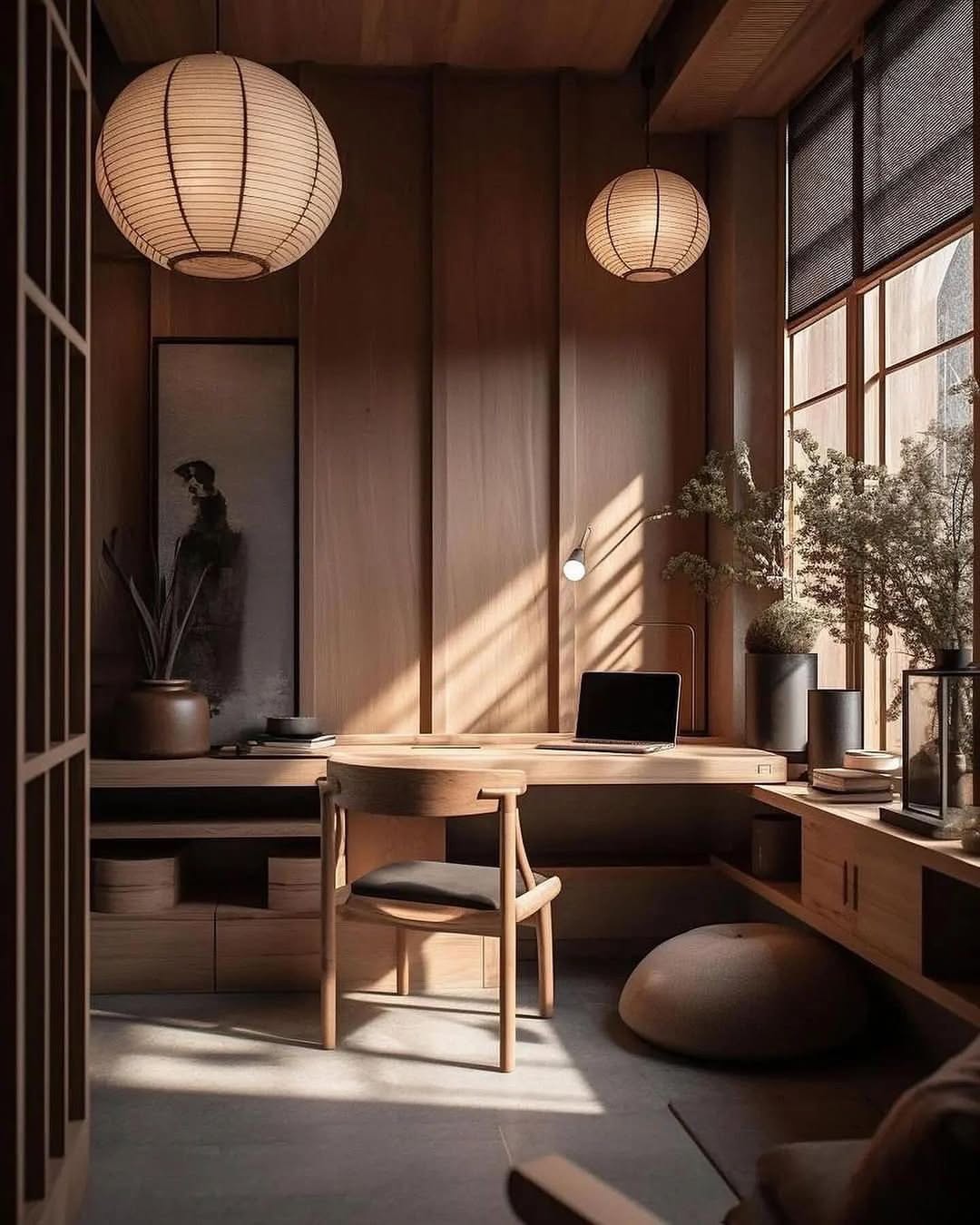
- Accent materials: Rattan and bamboo, linen, raw cotton, matte-honed natural stone, and handcrafted ceramics bring an authentic, familiar feel.
2.3. Furniture: Clean Lines, Function First
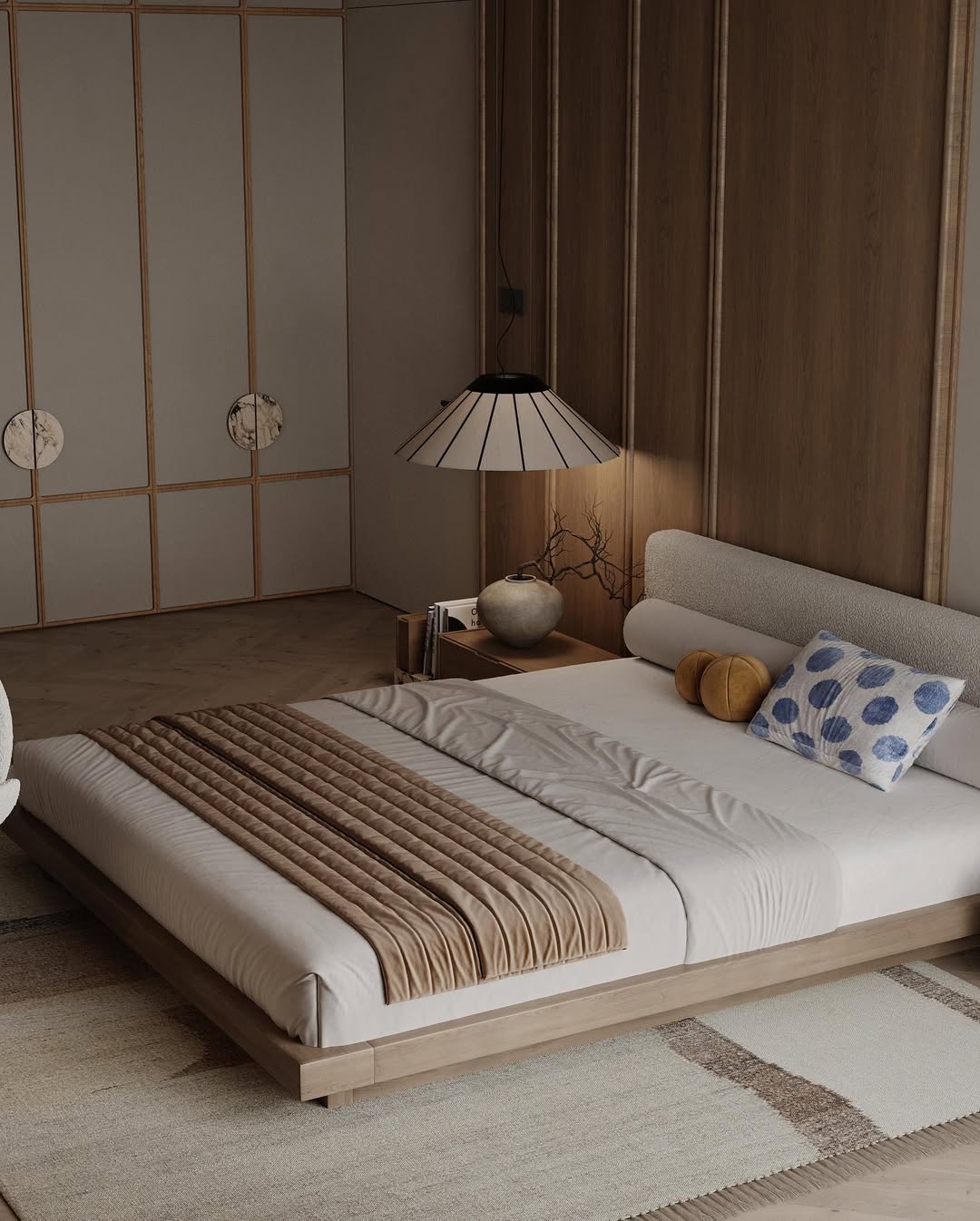
Furniture blends Scandinavian design (modern, softly rounded) with Japanese design (low, close to the floor). Forms are flat, tidy, with no superfluous details. Every design focuses entirely on people's real-world usage experience rather than showy form.
2.4. Natural Light and Open-Space Design
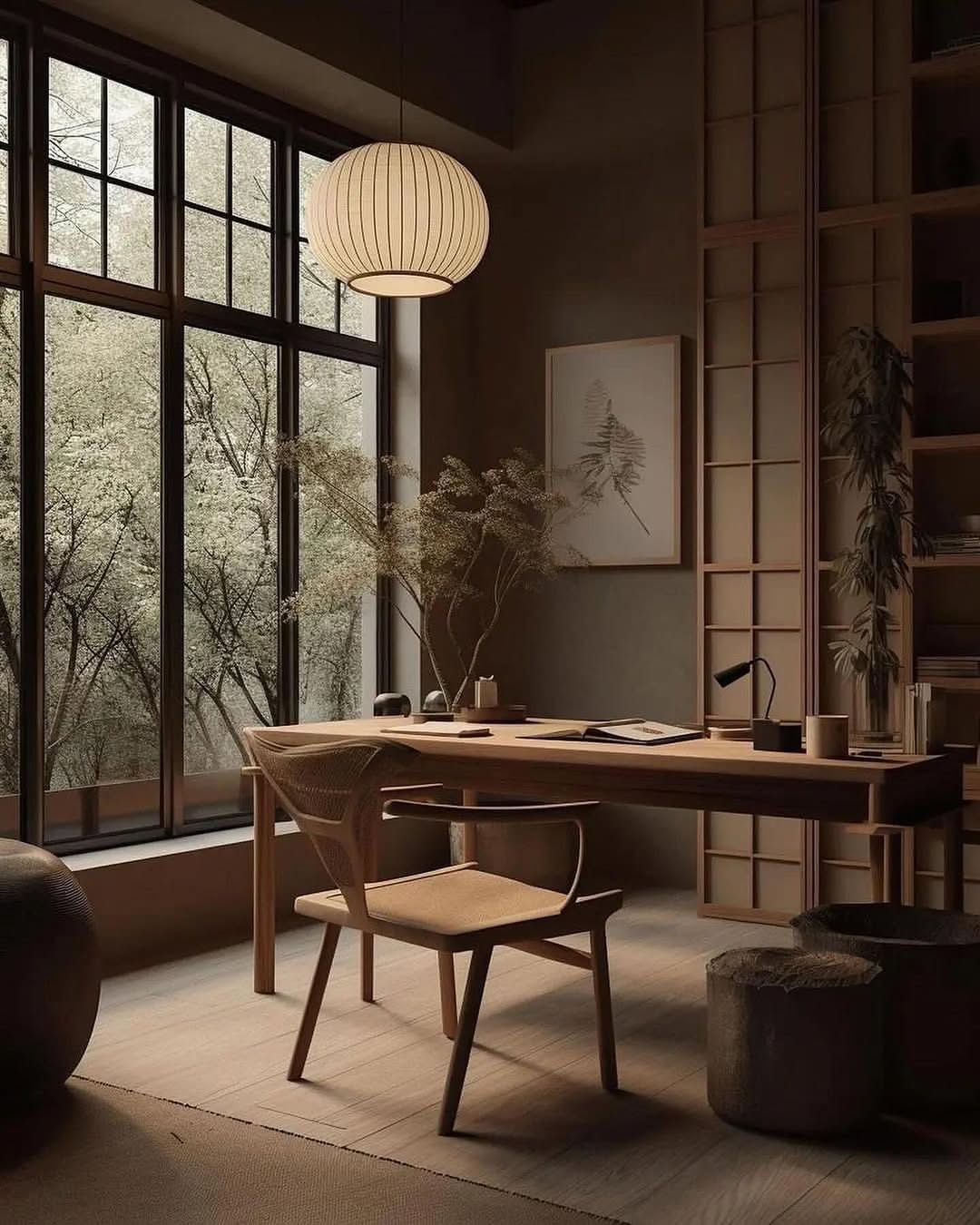
Japandi maximizes sunlight through large glass systems, traditional sliding doors (shoji), or skylights. Open floor plans help air circulate and blur the boundary between indoors and outdoors.
2.5. Restrained, Curated Decoration (Less Is More)
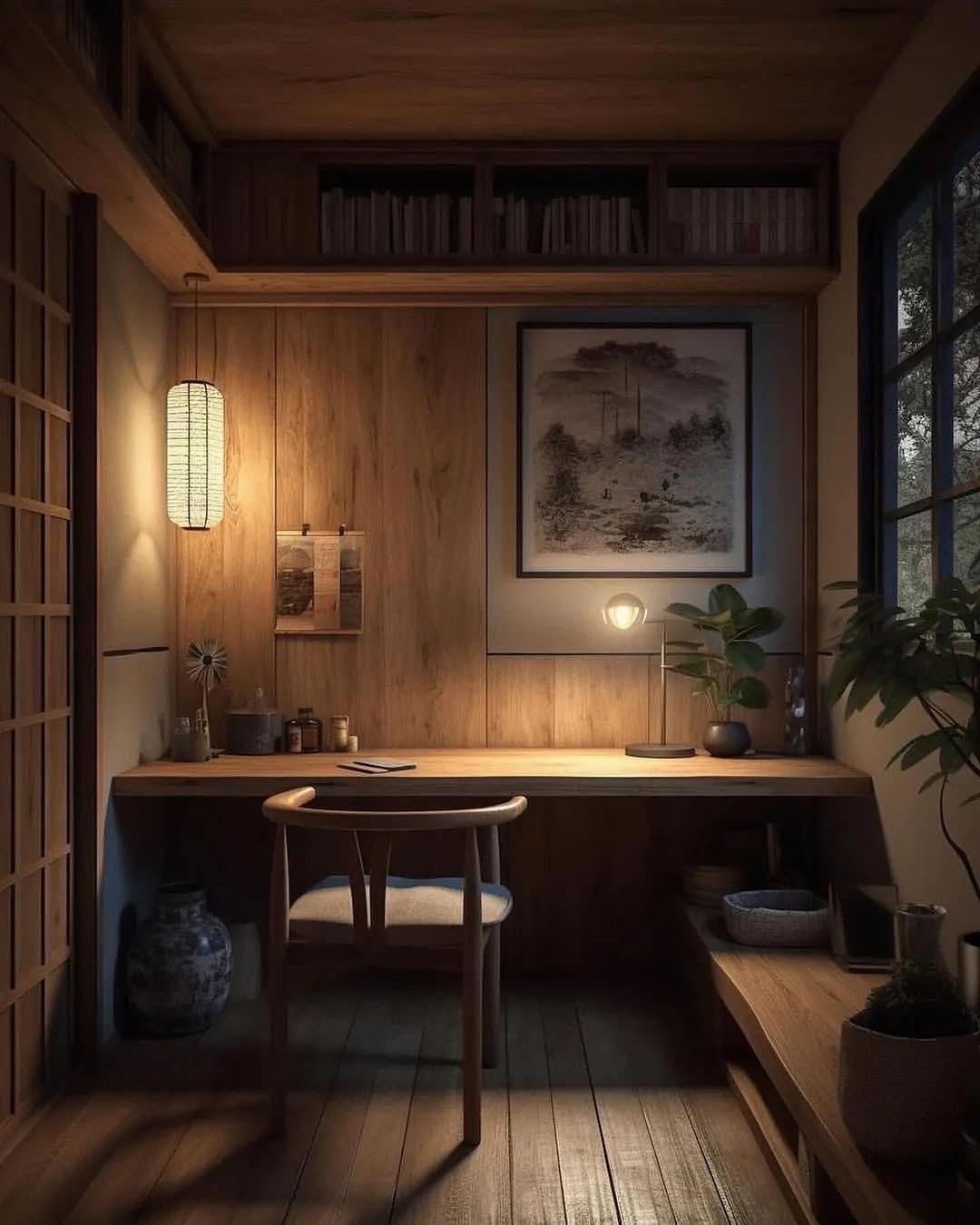
Never cram in objects. Every décor piece must have its own story and purpose. Often a single bonsai pot, a rustic ceramic vase holding dry branches, or a minimalist ink-wash or canvas painting is enough to serve as a valuable focal point.
3. Applying Japandi Across Functional Spaces
Below is how to apply the Japandi philosophy to each specific living space:
3.1. Japandi Living Room Design
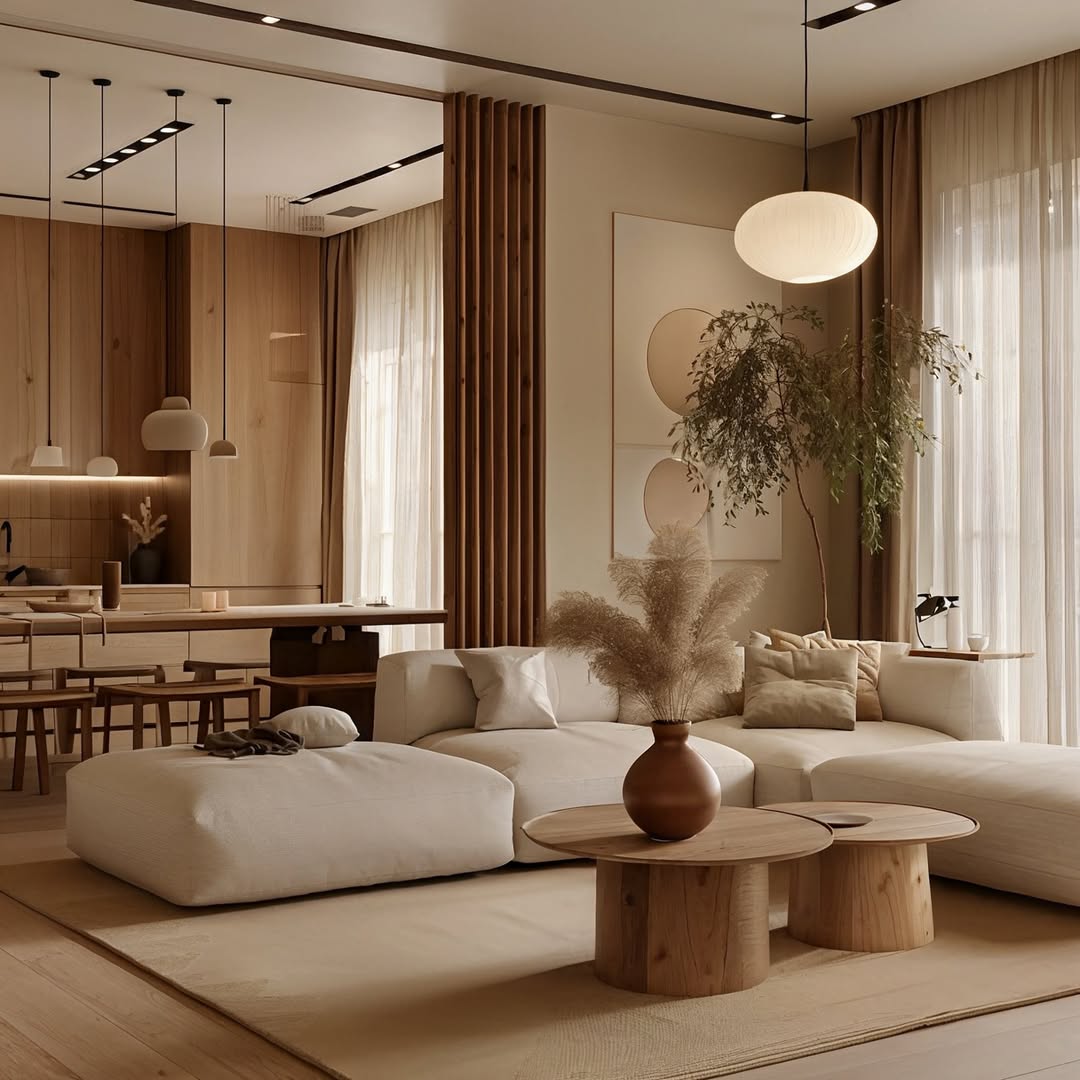
The focal point of the living room is a fabric- or linen-upholstered sofa with a low profile, a rounded wooden coffee table, combined with gentle decorative wood slats. Artificial lighting is designed to be soft with a warm yellow color temperature, creating a cozy atmosphere.
3.2. Kitchen and Dining Space
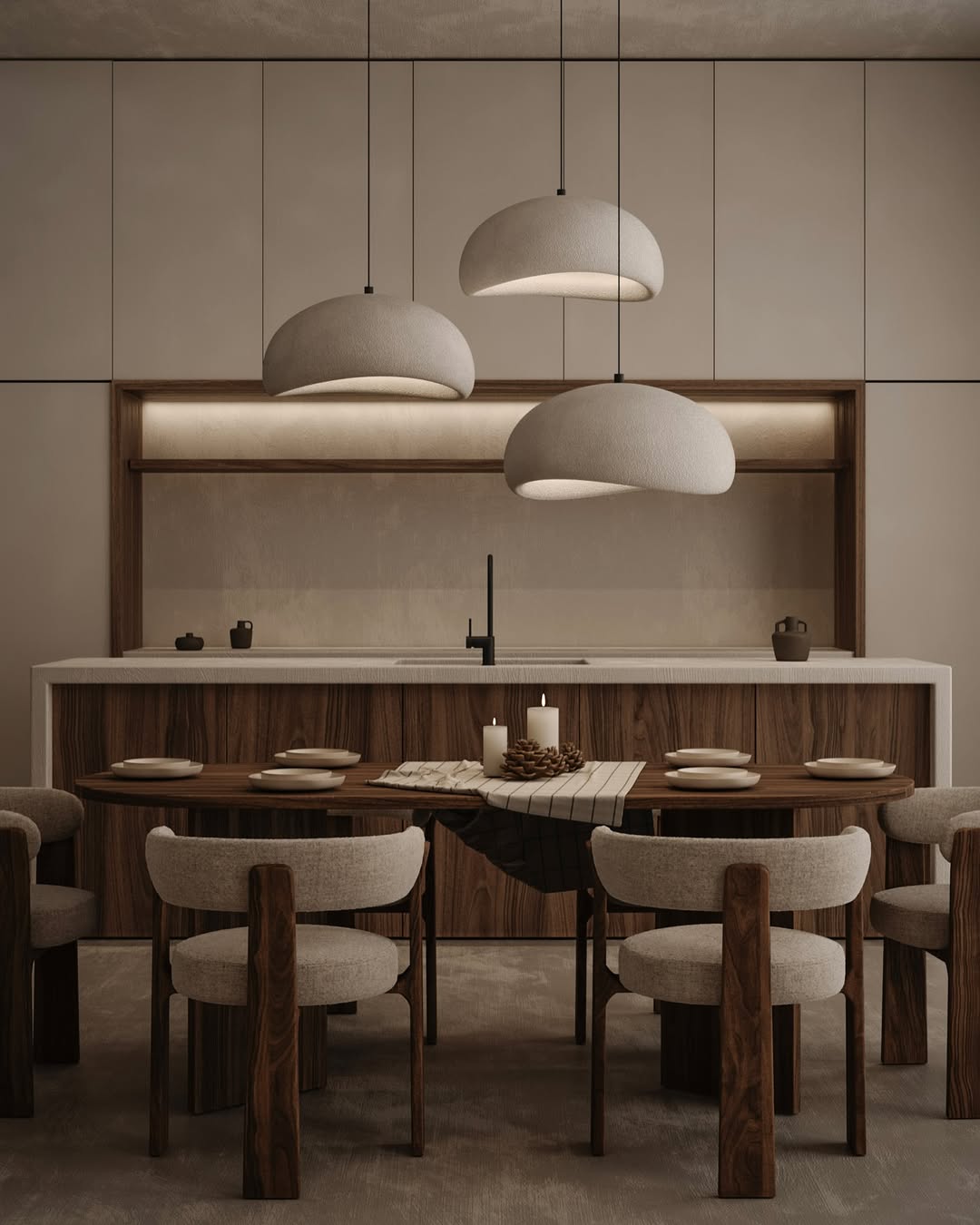
Flat-surface wood cabinetry with smart hidden-storage solutions keeps the countertop always clear. A solid natural-wood dining table combined with rattan chairs, with silk-shade or ceramic pendant lights hung gently above.
3.3. Japandi Bedroom Design
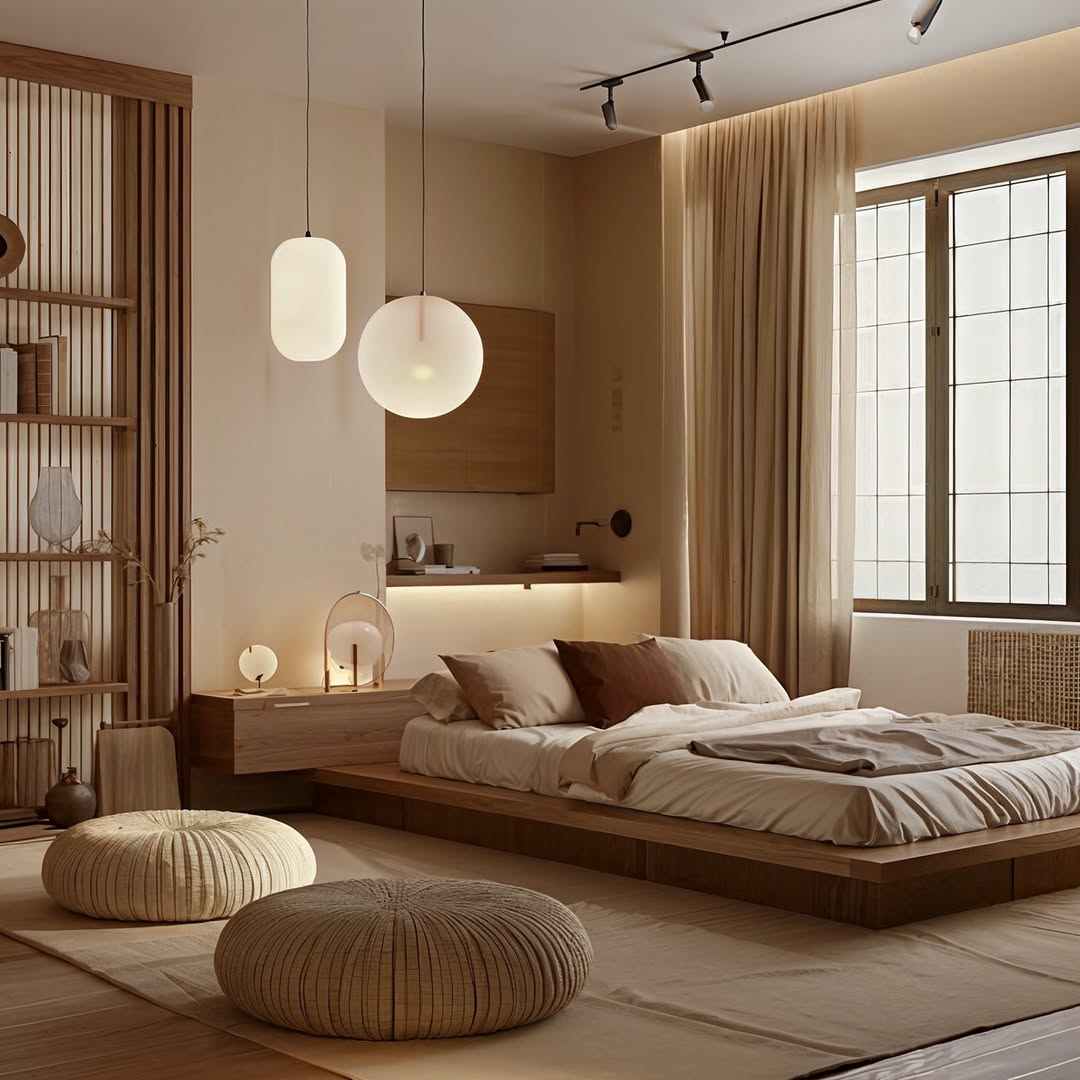
An absolutely minimalist space serving sleep, using a low platform bed, minimizing electronic devices, with bedding in beige and light gray tones for a relaxing, pleasant feel.
3.4. Bathroom and Sanitary Area Design
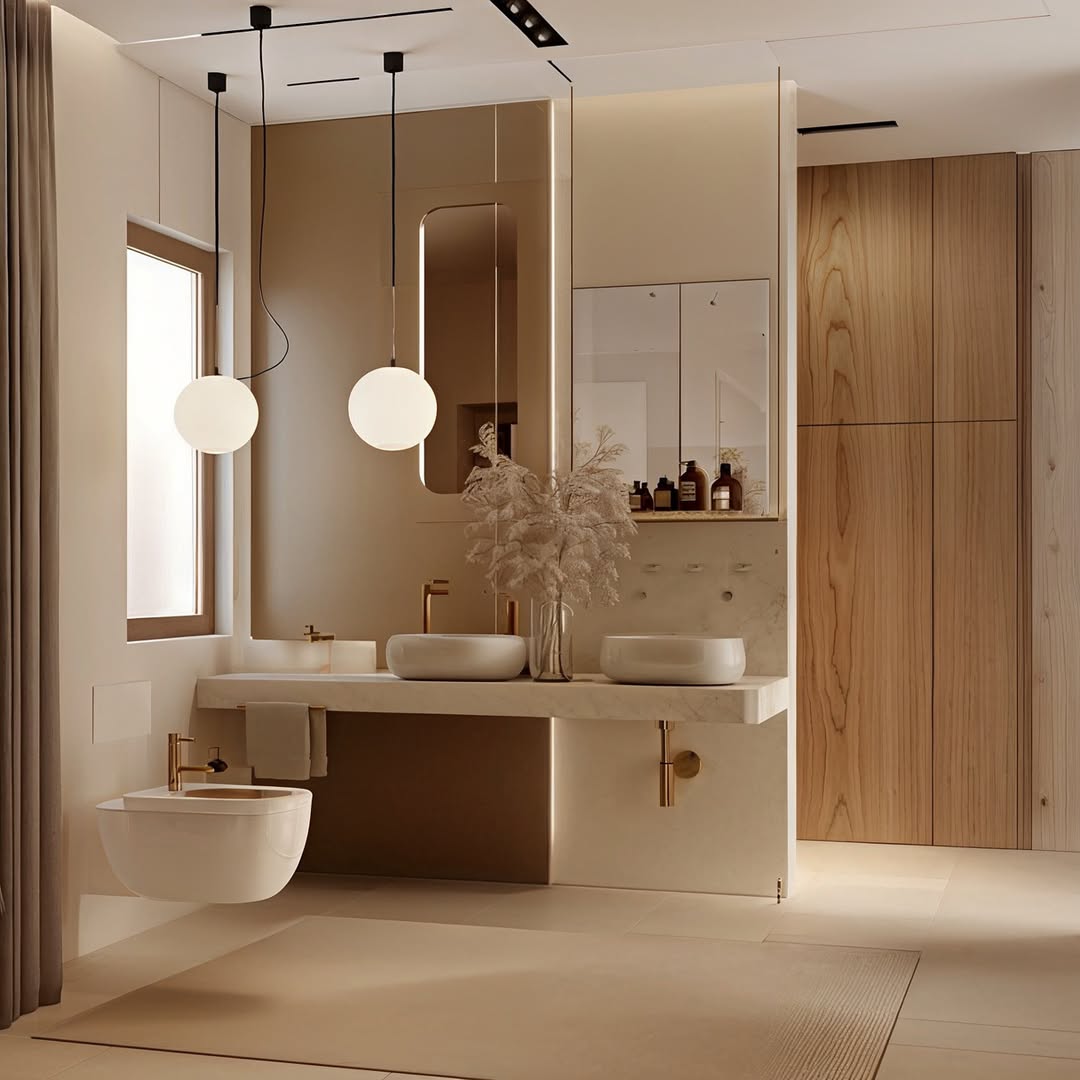
A Japandi bathroom is designed like a miniature spa, aiming for an experience that purifies the mind and washes away the day's cares. The space favors matte-surface tiles in natural stone or light beige tones, combined with a rustic, moisture-resistant wood vanity. The valuable focal point is often a freestanding tub with rounded lines (or a traditional Onsen-style wooden tub), bathed in soft indirect light rich in a meditative spirit.
Alongside Japandi, many homeowners also choose European-style villas to create luxurious, refined living spaces with timeless architectural character.
4. Notes on Finishing Japandi Interiors
Bringing a Japandi design to life is no small challenge and requires a highly skilled construction team:
- Sharpness in hidden-storage details: The essence of Japandi is tidiness, so the construction of built-in cabinets, concealed-frame doors, and recessed handles must be precise to the millimeter to create seamless, flawless flat surfaces.
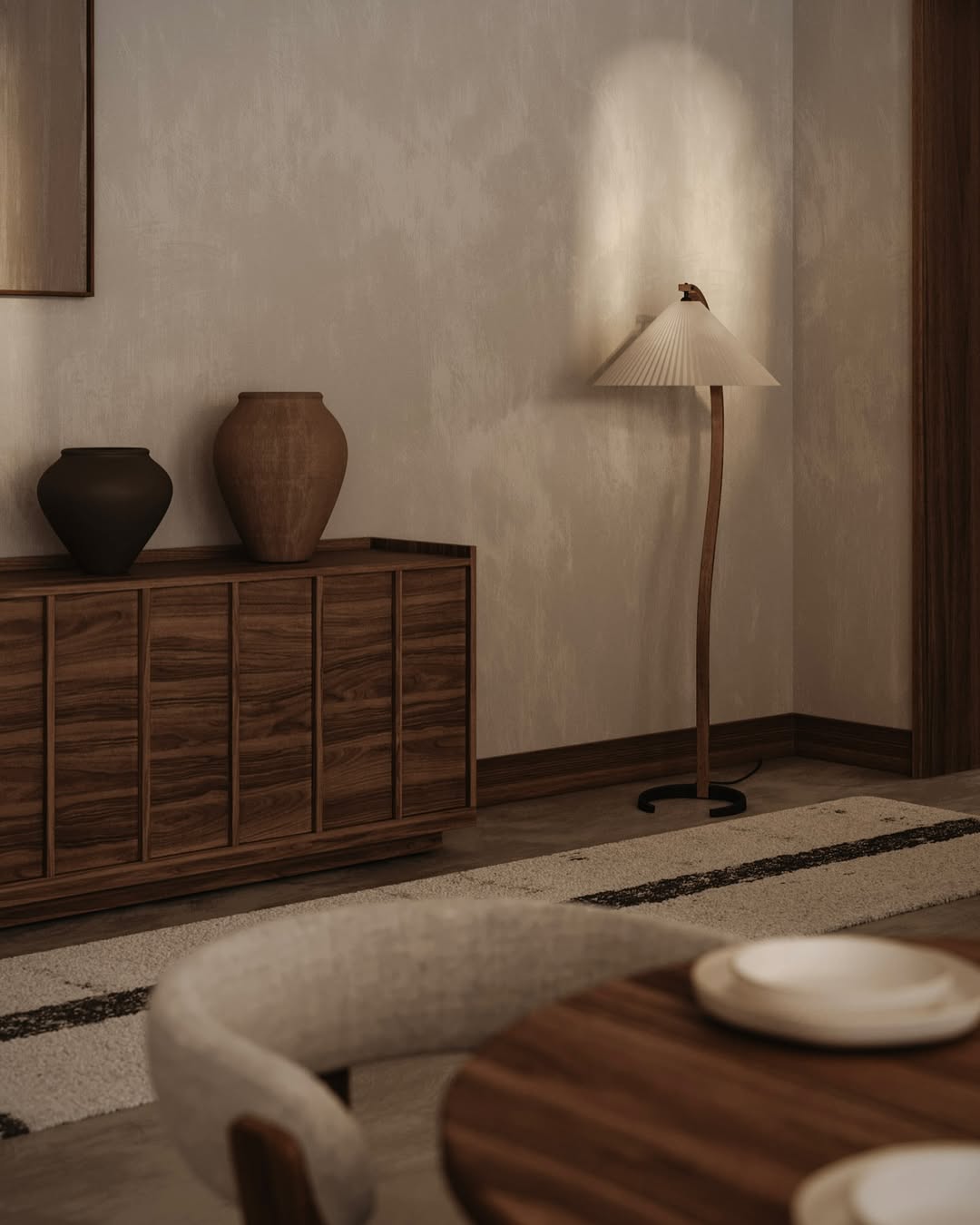
- Refined material-surface treatment: Applying PU paint or varnish to wood must not create a glossy shine but must retain the natural grain and raw feel to the touch. Walls often use effect paint or light matte paint to create depth instead of a glossy smooth finish.
5. SENDESIGN – A General Contractor for Luxury Japandi Interior Design and Construction
To bring Japandi's rusticity to the threshold of luxury and refinement, the space must be shaped by a general contractor with sharp construction capability and a deep understanding of materials. At SENDESIGN, we position ourselves as a luxury interior design-and-build general contractor, bringing the Japandi spirit into high-end projects through five signature creative philosophies:
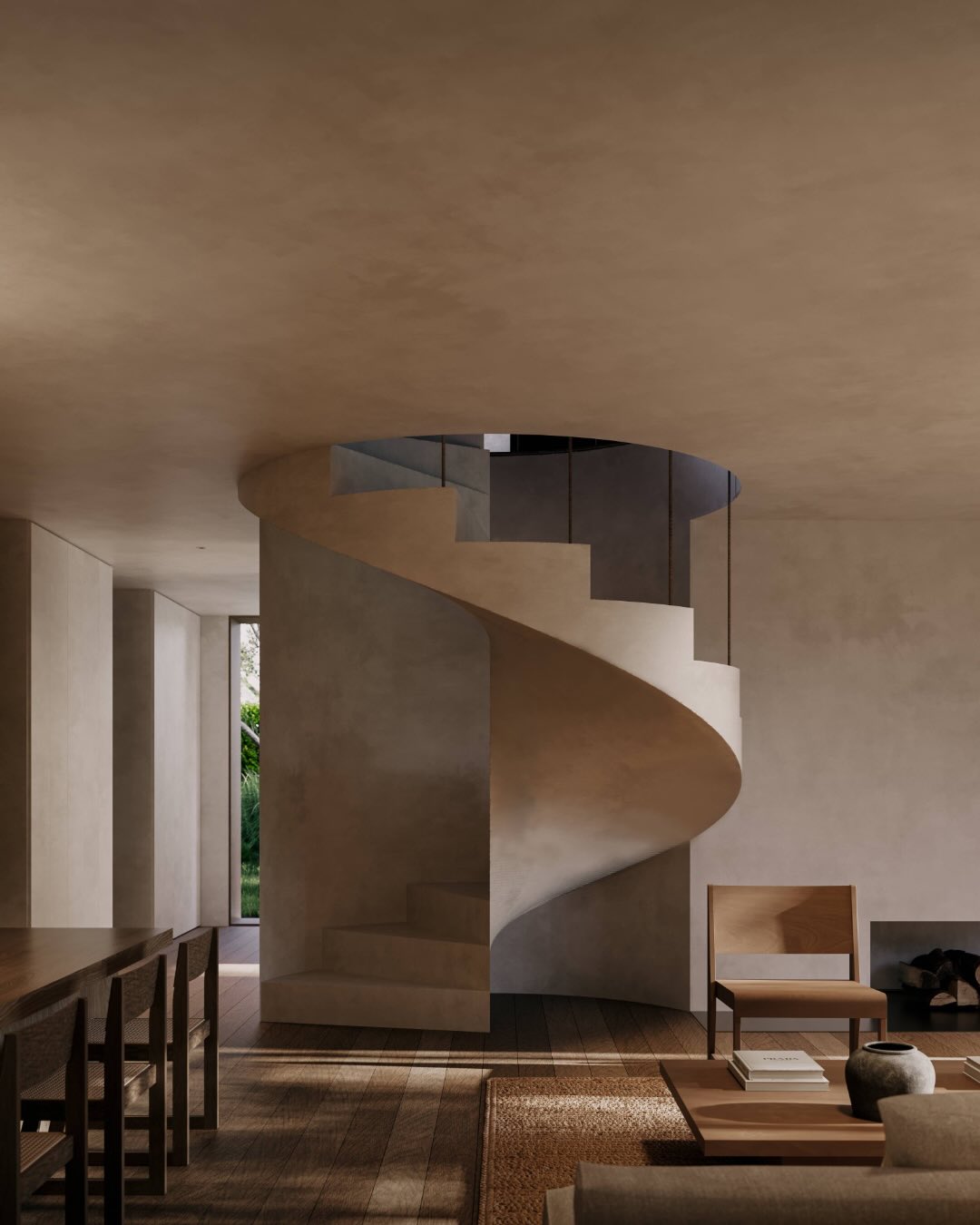
- Open spaces with a Zen spirit: Maximize views by boldly removing unnecessary physical partitions. We create seamless circulation flows that let air and natural light move freely throughout the home, bringing an open, serene feeling.
- Communion with nature through the Wabi-sabi philosophy: Beyond large glass windows, we integrate skylight solutions, arrange green landscape features, and use soft indirect lighting, bringing Wabi-sabi's imperfect natural beauty into every corner so the living space always "breathes" with nature.
- The essence of premium raw materials: Japandi at SENDESIGN is an upgrade of materials. Instead of ordinary engineered wood, we use natural oak, ash, and walnut, combined with premium terrazzo and imported linen, and apply Low-E acoustic glass technology to create an absolutely quiet "oasis."
- Sharp, understated construction lines: Applying the "Quiet Luxury" language to Japandi, our construction team commits to absolute sharpness on every partition and flat plasterboard ceiling. All hidden-storage solutions, recessed handles, and shelving are handled flawlessly, keeping the space perfectly spacious and orderly.
- Understated convenience with Smart Home: A true Japandi space must not let technology break its rusticity. We integrate a smart-home system that "invisibly" understands the owner: automatically adjusting sliding curtains, setting warm Hygge-style lighting scenarios, and controlling air quality, delivering a modern yet deeply relaxing living experience.
SENDESIGN also provides villa interior design services with a seamless process from concept and design to complete construction, delivering luxurious, refined living spaces suited to each homeowner's style.
6. Frequently Asked Questions (FAQs)
6.1. Is it easy to combine and refresh furniture when applying the Japandi style?
Japandi values simplicity, flexibility, and authenticity, so combining furniture is fairly easy if you follow the right principles of color (earth tones) and natural materials. Homeowners can fully reuse rustic décor pieces with personal character or flexibly change small details such as linen cushions, woven rugs, and raw ceramic vases to refresh the space.
However, the line between "refined minimalism" and "monotony" is very thin. To keep a Japandi space always exuding quiet luxury without becoming cluttered when adding items, the initial foundational layout must be proportioned extremely carefully by professionals.
6.2. How does Japandi differ from Minimalism?
While Minimalism can sometimes feel a bit cold and rigid from removing too much, Japandi focuses on a warm, welcoming feeling. Japandi uses plenty of raw wood, soft fabrics, and natural tones to neutralize the coolness of a minimalist lifestyle.
If you want the space to remain minimalist but with added creativity and personality, you can explore contemporary interior design style for more ideas suited to your needs.
6.3. Is the construction cost of Japandi interiors high?
This depends on the level of material investment. If applied to the high-end segment as SENDESIGN does — using solid natural wood (oak, walnut), natural stone, refined handcrafted items, and complex concealed-frame construction details — the budget will match the one-of-a-kind value and durability of the project.
Japandi style is not merely an interior-decoration trend, but the art of arranging space to heal and soothe emotions. A true Japandi space must radiate serenity, sharpness in every hidden-storage detail, and the smooth combination of natural material systems. However, the line between "refined minimalism" and "monotonous, dull" is very thin, requiring a seasoned design hand and sharp construction capability.
That is why homeowners need the companionship of a professional luxury interior design-and-build general contractor. A reputable firm not only breathes soul into the space, but also tightly manages the budget, ensuring schedule and construction quality reach the highest level of perfection.
Experience luxury Japandi interior design-and-build general-contracting services with experts from SENDESIGN:
- Address: Level 3, HDI Residences, 68A Vo Chi Cong, Xuan La, Tay Ho, Hanoi
- Hotline: 091 676 88 88
- Website: https://sendesign.vn/vi
- Fanpage: https://www.facebook.com/sendesign8