Beyond the 3D Render: The Details That Define Exceptional Interiors
Duong PT
|
October 1, 2026
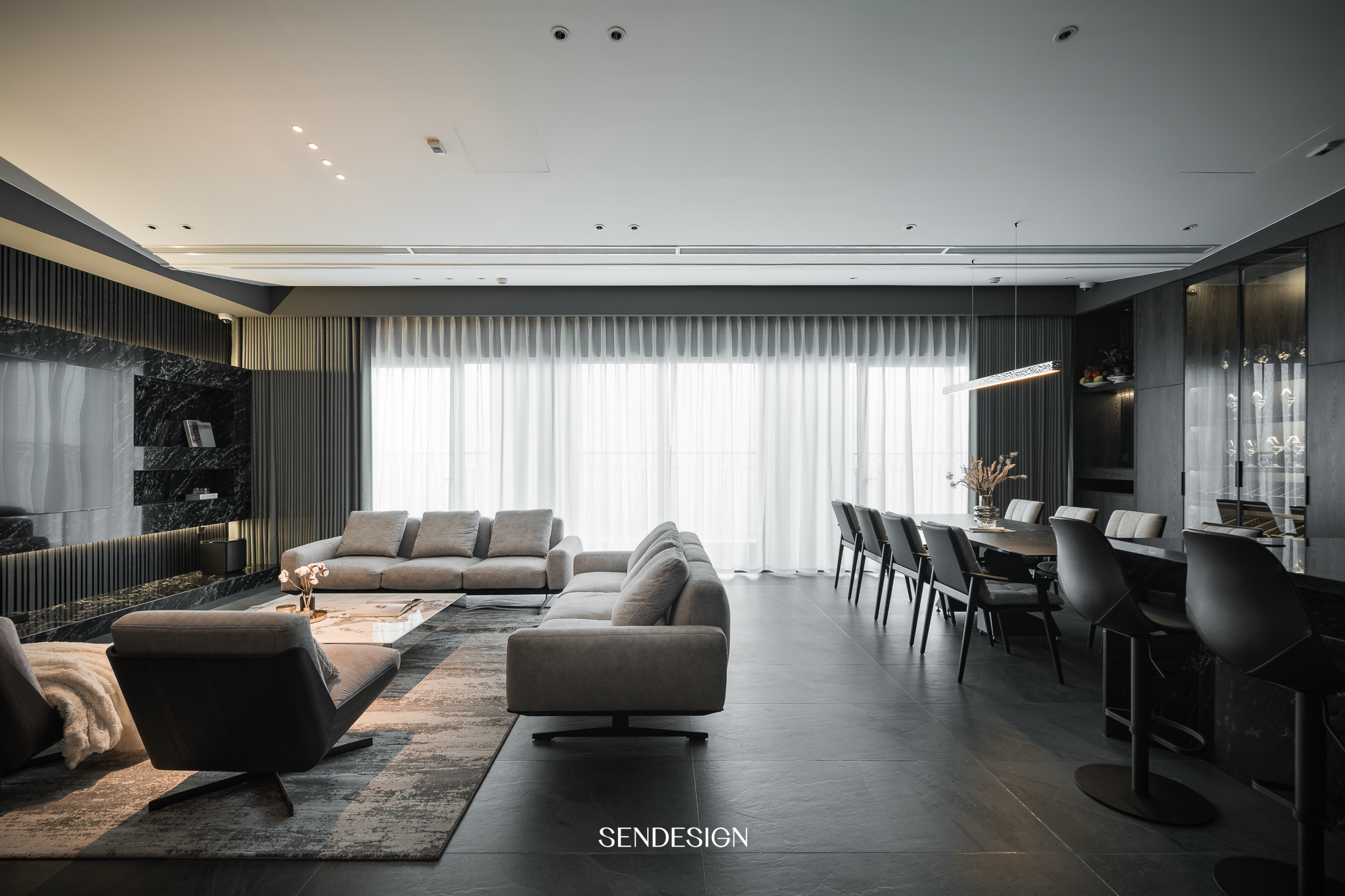
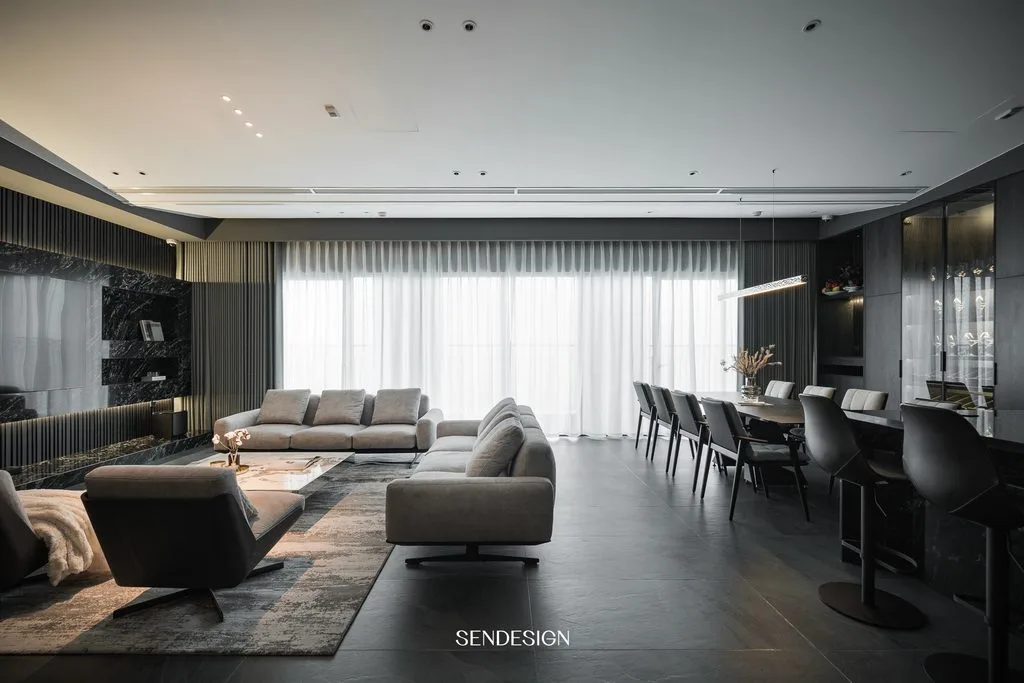
In interior design, creating an impressive 3D render is rarely the difficult part. Even furnishing a home with expensive standalone pieces is largely a matter of budget. Yet why do some homes feel awkward once built and begin to look dated after only a few years? The difference rarely comes down to the size of the space or the brands behind the furniture. More often, it lies in the junctions between materials and the quality of technical execution on site.
At SENDESIGN, we believe the quality of a living space is measured by the precision of its connections, the way materials feel to the touch in everyday life, and their ability to endure beautifully over time.
Cabinetry and Ceiling Junctions
One of the most common mistakes in high-end apartments is the excessive use of rigid, box-like floor-to-ceiling cabinetry, which can make an entire wall feel visually heavy and solid. In our planning process, we introduce a subtle curve along the cabinet end panels to create safer circulation, reduce the risk of accidental impact, and allow light to transition more softly across the surface.
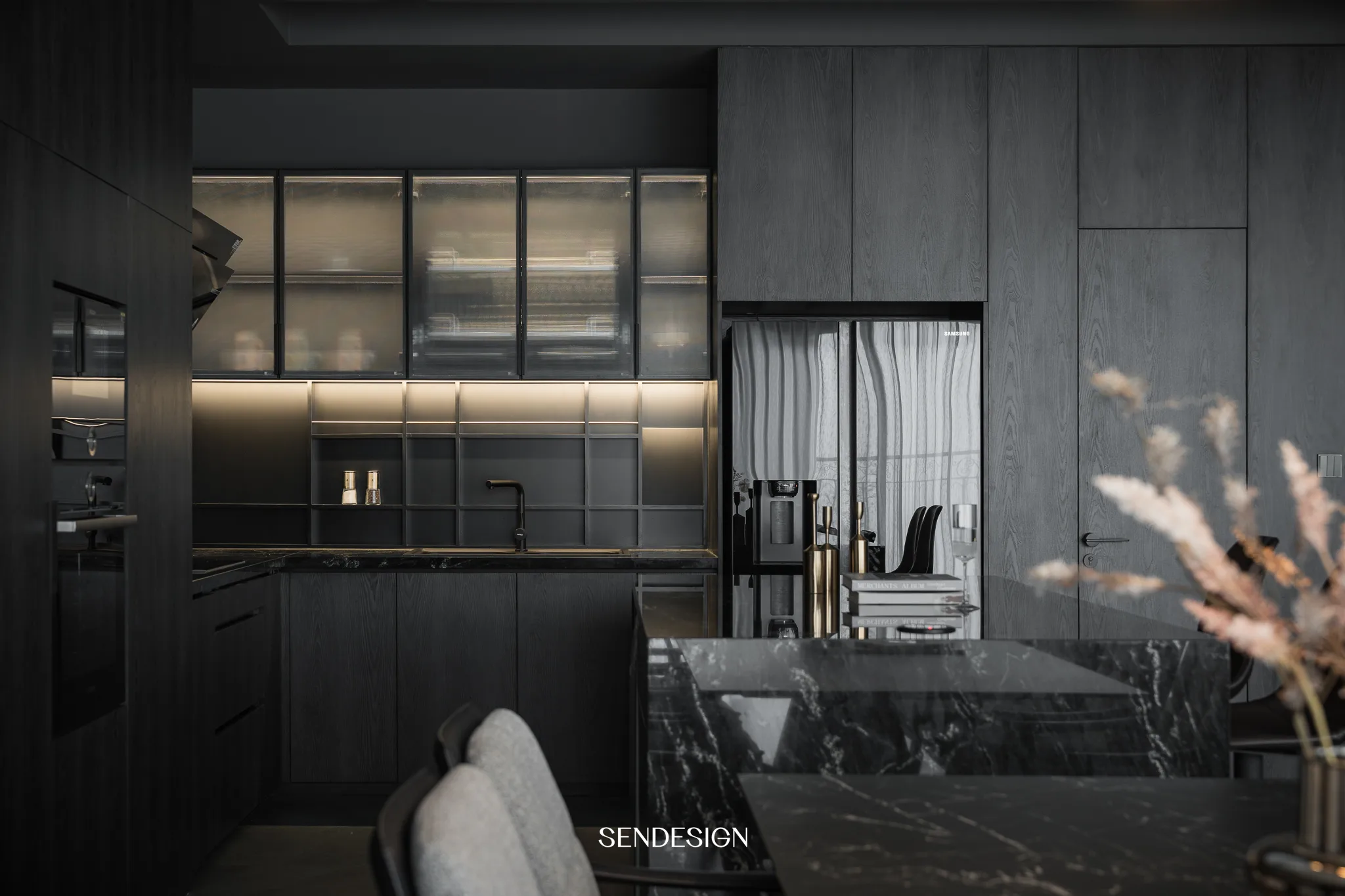
Beyond the cabinetry itself, the distinction between standard carpentry and high-end finishing often comes down to the junctions between the cabinetry, walls, and plasterboard ceilings. Vietnam’s hot and humid climate means that timber and plasterboard naturally expand and contract with seasonal changes. When these joints are simply sealed with silicone or skimmed flat, hairline cracks can quickly appear after the first dry season.
A precisely detailed shadow gap, planned from the early construction drawings, conceals these movements while creating a crisp, defined edge across the entire wall surface.
Handles and Switches: The Details Often Overlooked
Door handles, faucet fittings, and switch plates are among the surfaces homeowners touch dozens of times a day. Many are willing to invest heavily in timber and stone, yet still opt for industrial polished-metal hardware. While this type of finish may look pristine when first installed, hand oils and humidity can quickly leave the surface scratched and dull after just a few months of use.
Across SENDESIGN projects, we favour solid brass and metals with a brushed, untreated finish. They offer a substantial, weighty feel from the very first touch. More importantly, untreated metal develops a natural patina through everyday use, allowing the surface to become richer and more distinctive over time.
Subtle Half-Tone Colour Pairing
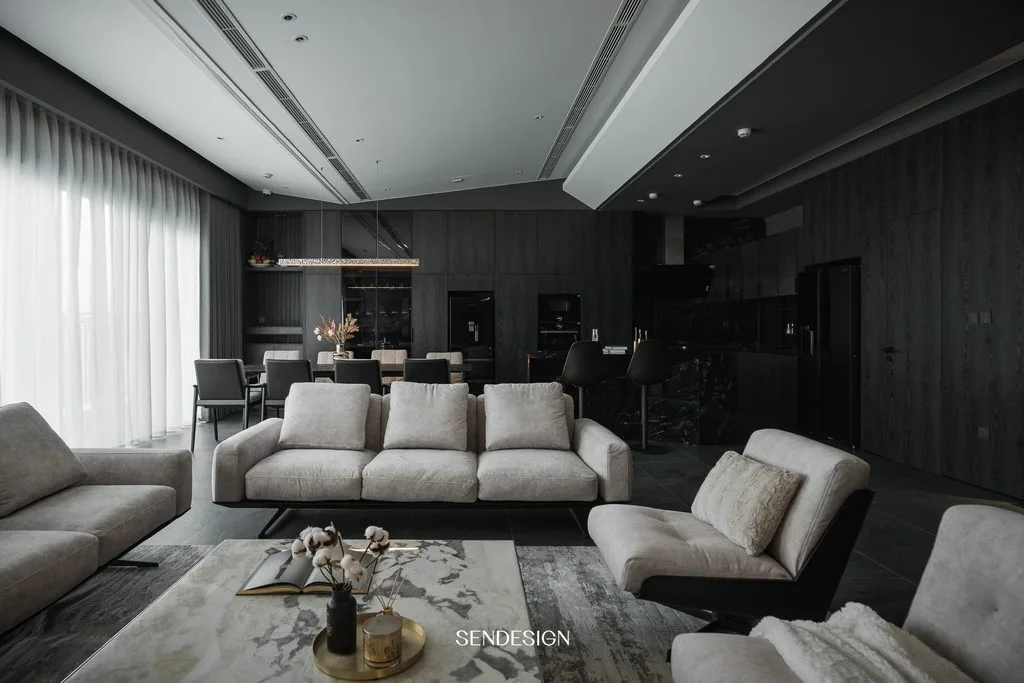
Many people associate minimalism with using a single white or grey paint colour throughout the entire home. In reality, an interior rendered in one flat colour can quickly feel cold and monotonous. At the other extreme, relying too heavily on sharp contrasts can be visually tiring after a long day.
The key is to control the tonal difference between adjacent surfaces with a light touch. Rather than using one uniform colour throughout, the ceiling or trim can be painted half a shade lighter or darker than the main wall. Combined with the soft, matte finish of the paint and the natural texture of stone, these subtle variations create a sense of visual layering without the need for physical partitions. The result is a space with greater depth while remaining calm and easy on the eye.
Upholstery and Cushion Form
A custom-made sofa or armchair is not defined simply by the quality or cost of its leather or fabric. It also requires upholstery techniques that account for the actual loads and stresses of everyday use. The piping that runs along the edge of the cushion is not merely decorative. It acts as a structural detail that helps the edges retain their shape, preventing them from stretching, sagging, or shifting after years of use.
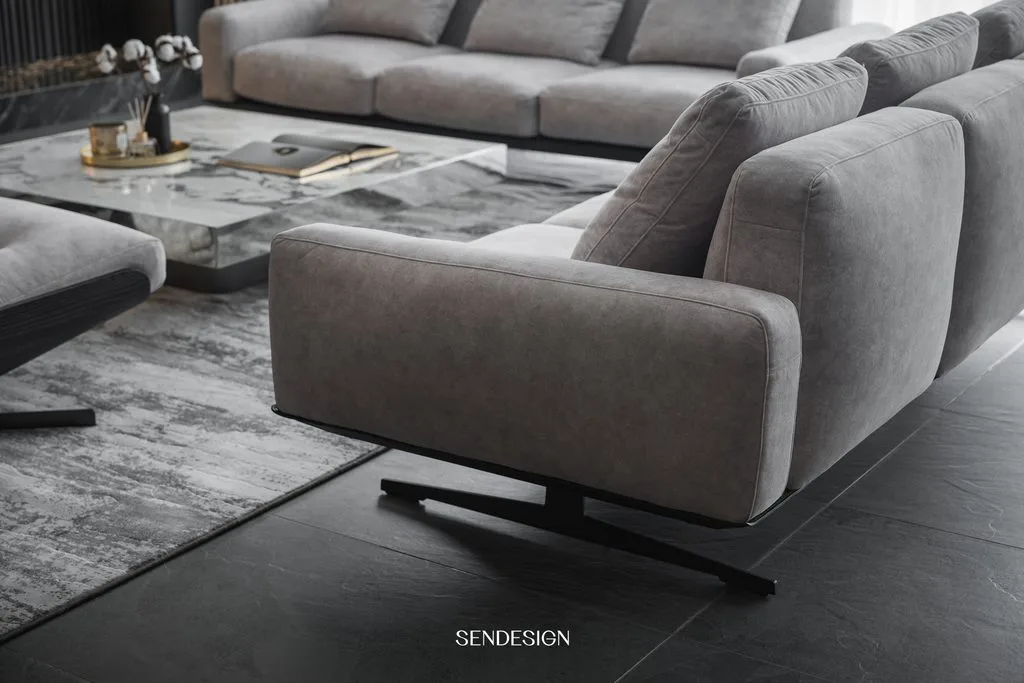
For deeper seat cushions, concealed stitching with subtle internal gathering helps secure the foam and fibre filling inside, preventing the materials from shifting or forming uneven clumps with continuous use. The quality of bespoke upholstery is ultimately felt in everyday use: the cushion should feel comfortably soft when you sit down, yet spring back into a smooth, well-defined form as soon as you stand.
For deeper seat cushions, concealed stitching with subtle internal gathering helps secure the foam and fibre filling inside, preventing the materials from shifting or forming uneven clumps with continuous use. The quality of bespoke upholstery is ultimately felt in everyday use: the cushion should feel comfortably soft when you sit down, yet spring back into a smooth, well-defined form as soon as you stand.