Interior Design Forecast 2026: The Strong Return of Handcrafted Decorative Arts
SENDESIGN
|
August 8, 2026
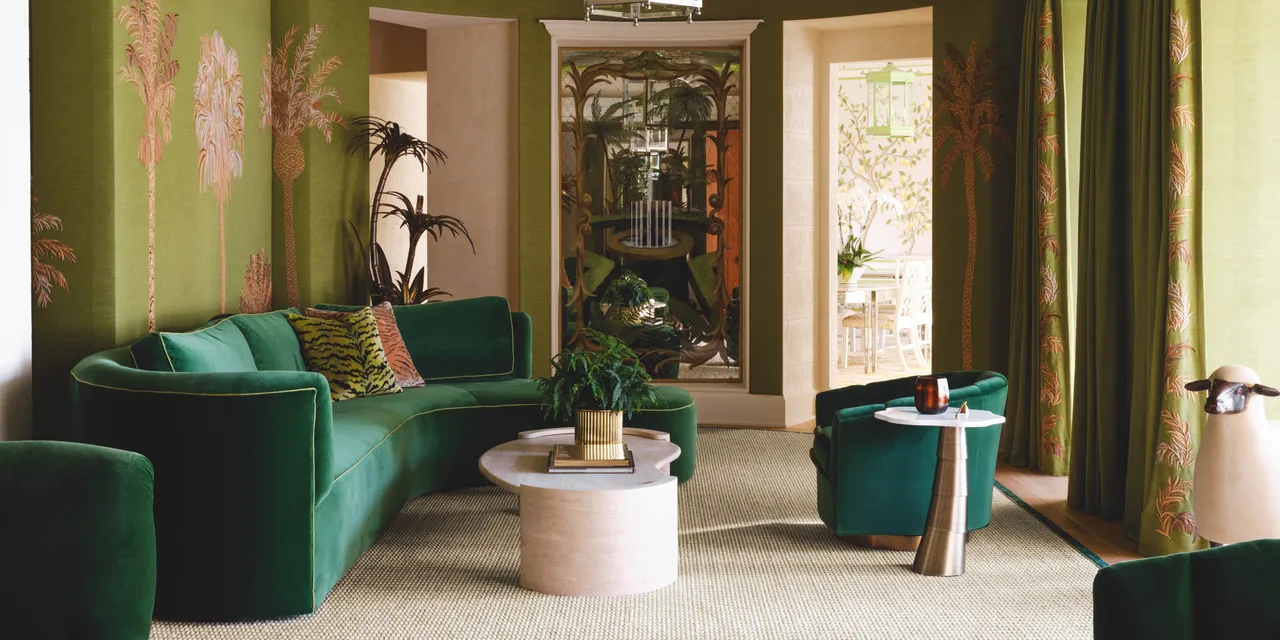
The luxury interior landscape is expected to evolve in 2026. Following a prolonged period shaped by muted palettes, pared-back aesthetics, and the rise of quiet luxury, the industry is beginning to move toward spaces that feel more layered, expressive, and deeply personal.
Designers anticipate a renewed appreciation for character and craftsmanship, where interiors are defined not by restraint alone but by their ability to tell a story. Color, texture, and decorative elements are likely to play a more prominent role, bringing individuality back into the home. Rather than serving solely as a polished living environment, the home is increasingly becoming a canvas for self-expression, reflecting the unique identity and lifestyle of its inhabitants.
The Return of Handcrafted Craftsmanship
Among the most compelling shifts anticipated for 2026 is the renewed appreciation for craftsmanship and decorative artistry. Hand painted tiles, intricate fabric trims, fringe accents, and meticulously crafted finishes are expected to reappear across luxury residences, introducing a richer sense of texture, depth, and individuality. Their presence reflects a growing desire for interiors that feel curated rather than standardized, where every detail contributes to a distinct design narrative.
Walls are poised to become one of the defining design elements of the year. Upholstered surfaces, handcrafted reliefs, beaded applications, and bespoke gypsum paneling are increasingly being explored as opportunities for artistic expression. No longer treated as a neutral backdrop, the wall is evolving into a focal point that shapes the character of a space, adding visual richness and elevating the overall spatial experience.
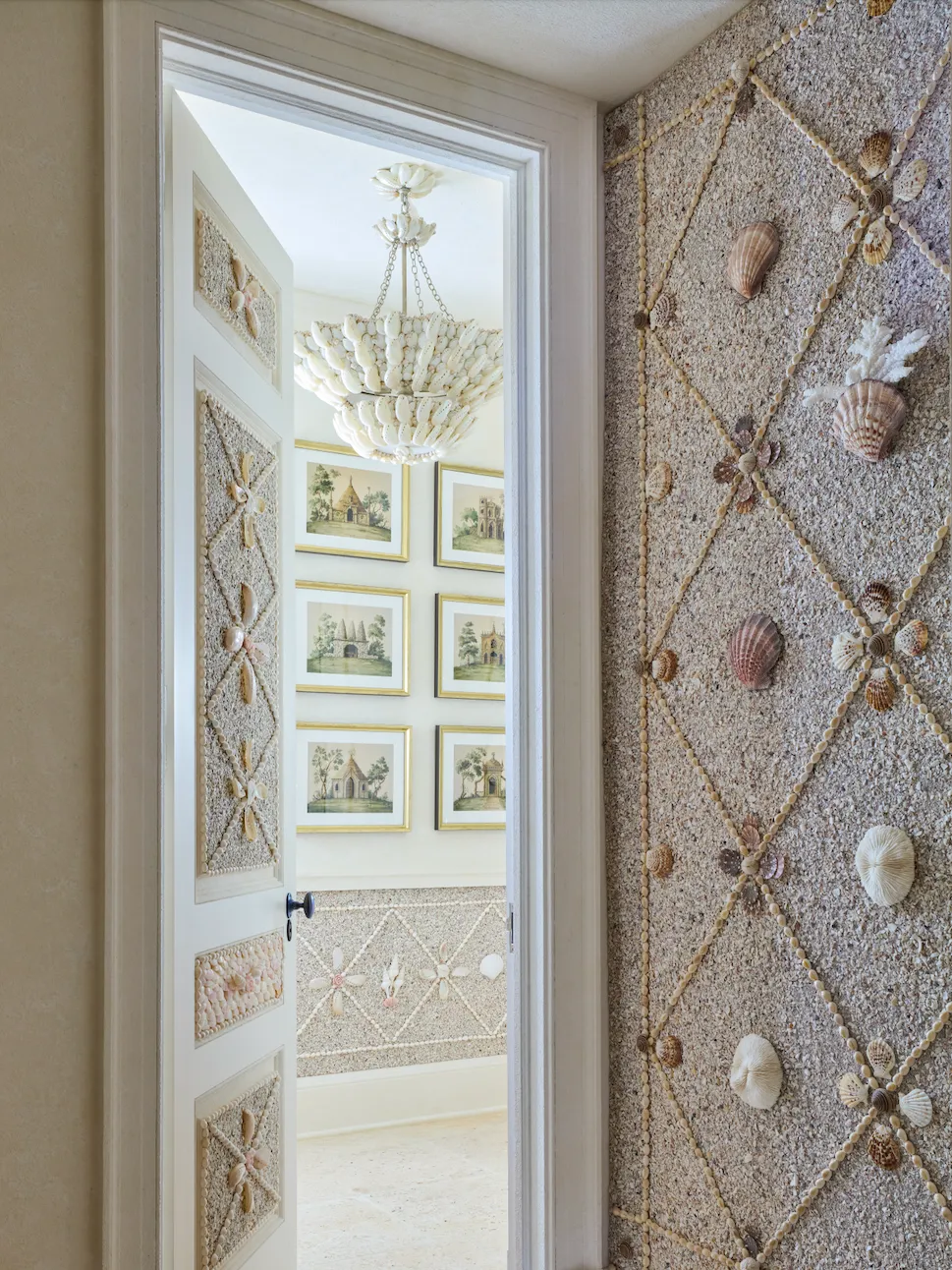
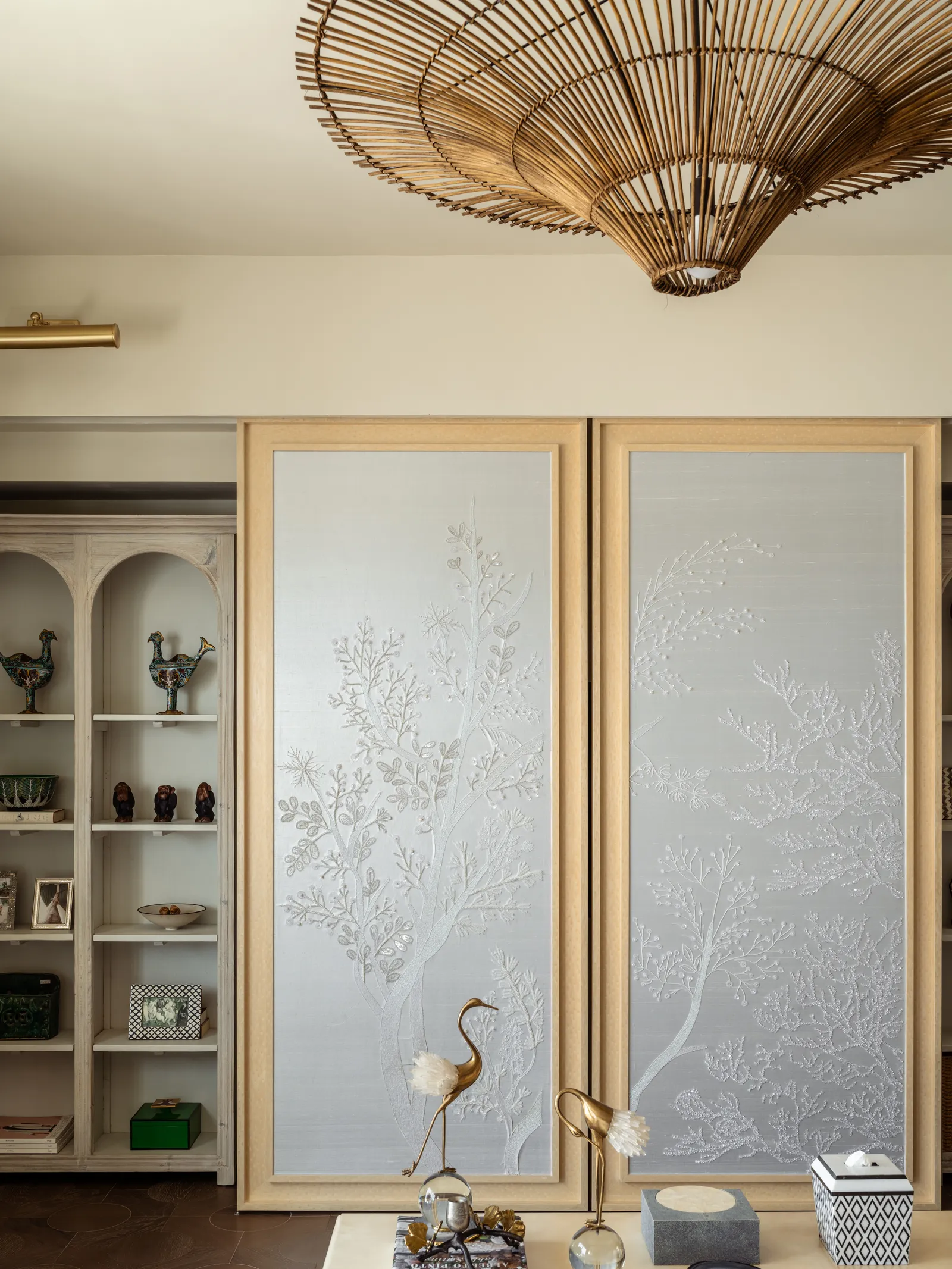
Rather than relying on flat, neutral surfaces, designers are gravitating toward richly textured materials and handcrafted finishes that celebrate the beauty of imperfection. These layered expressions of craftsmanship bring greater depth, warmth, and visual complexity to a space, resulting in interiors that feel both refined and deeply human.
Designing for Wellness
Wellness is expected to remain a major influence on residential design in 2026. As homeowners place greater value on physical and mental wellbeing, spaces dedicated to rest, recovery, and self care are becoming increasingly integrated into the architecture of the home itself.
Meditation rooms, hydrotherapy areas, cold plunge baths, and private fitness studios are no longer viewed as optional luxuries. Instead, they are emerging as essential components of contemporary living, seamlessly woven into daily routines and designed to support a more balanced and restorative lifestyle.
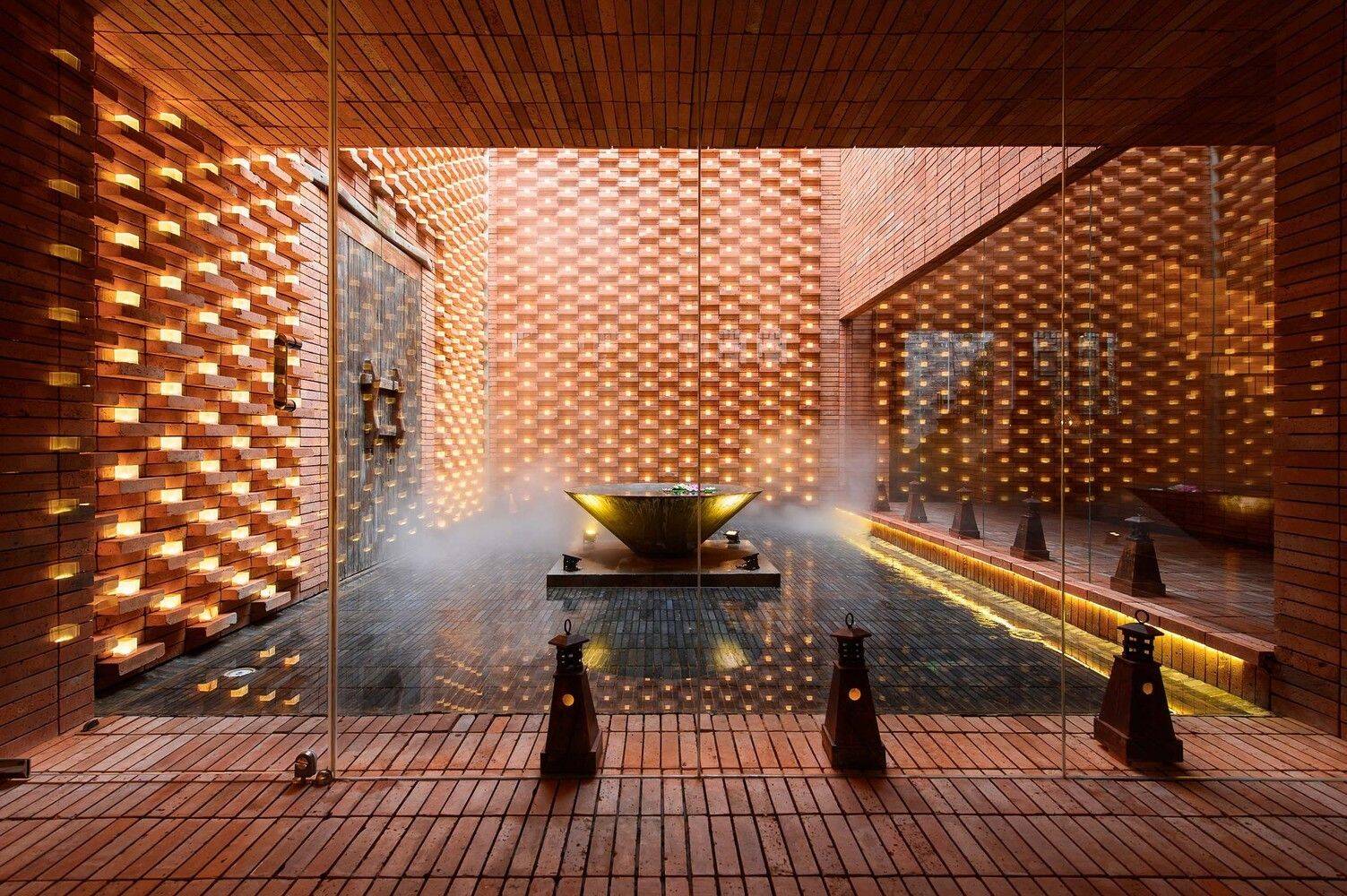
This shift reflects a growing desire for homes that do more than offer visual appeal. Increasingly, residential spaces are being designed to actively support both physical wellbeing and emotional health, creating environments that foster comfort, restoration, and a greater sense of balance in everyday life.
Technology Becomes Increasingly Invisible
Alongside aesthetics, technology will continue to play a central role in shaping residential environments, albeit in a far more discreet manner.
Smart home systems, AI powered security solutions, and advanced automation technologies are expected to be seamlessly integrated into both architecture and interior design rather than presented as standalone features. As a result, technology becomes less about visibility and more about experience, operating quietly in the background to enhance comfort, convenience, and everyday living.
Design Directions Losing Momentum
Alongside the emergence of new directions, several design approaches appear to be losing momentum. Ultra minimalist interiors defined by monochromatic neutral palettes, spaces that prioritize visual perfection over everyday comfort, and environments lacking a distinct sense of character are becoming less compelling to both designers and homeowners.
Today’s homeowners are increasingly drawn to spaces that feel personal and authentic. Rather than adhering to a universal aesthetic ideal, they seek interiors that reflect their lifestyles, values, and individual ways of living, creating homes with a stronger sense of identity and emotional connection.
The Evolution of Luxury Living
Looking ahead to 2026, luxury interiors are expected to move beyond the language of restraint toward a more expressive and deeply personal form of design. The understated elegance that has defined recent years is gradually giving way to spaces rich in character, emotion, and individuality.
Rather than being measured solely by exclusivity or visual perfection, luxury is increasingly defined by authenticity, craftsmanship, wellbeing, and a meaningful connection to the people who inhabit a space. In this new chapter of residential design, the most desirable interiors may not be the quietest ones, but those that tell a story and evoke a genuine sense of belonging.
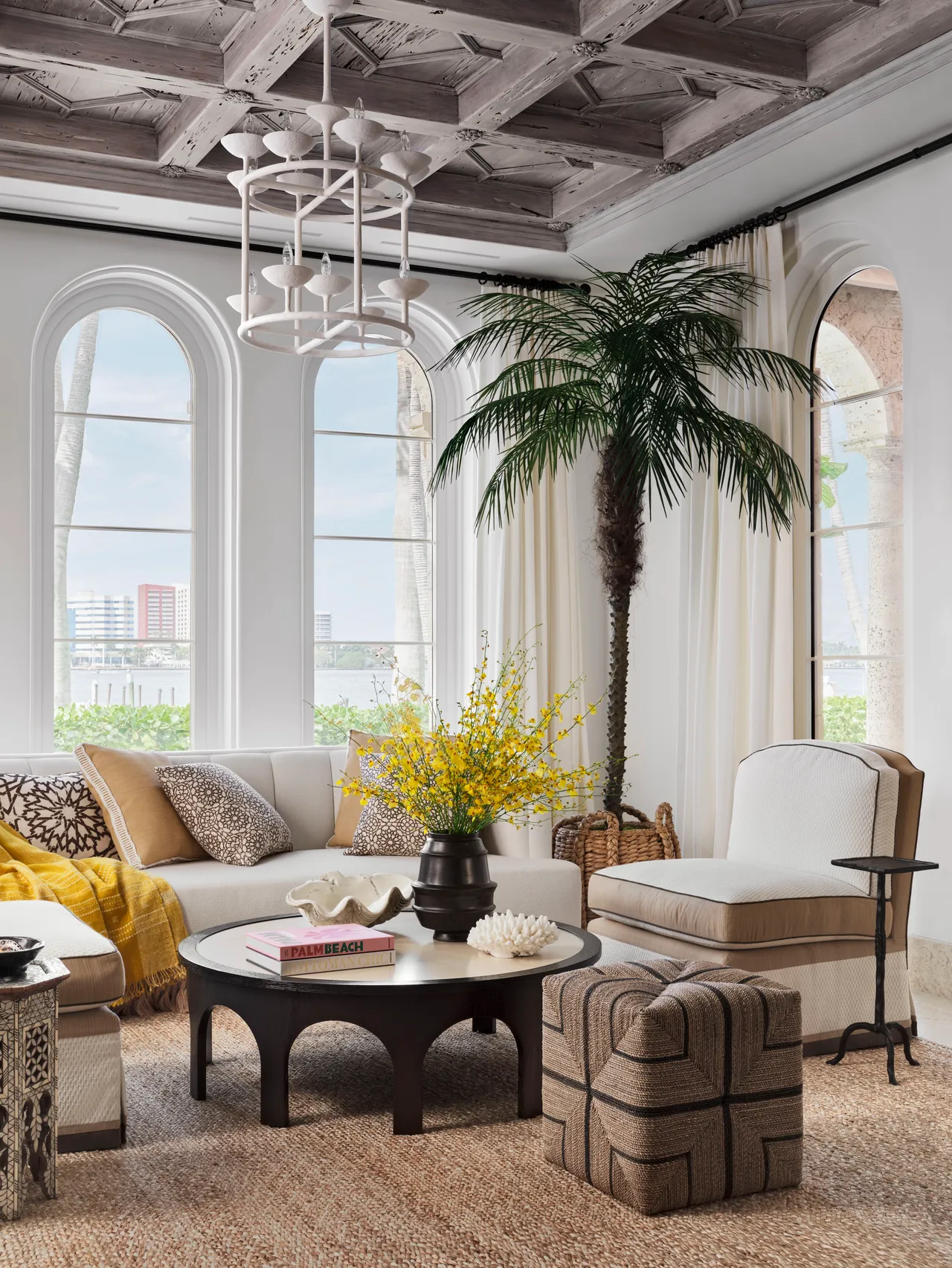
The new definition of luxury may no longer lie in the pursuit of absolute minimalism, but in the ability to create meaningful experiences, evoke emotion, and express the unique story of each homeowner.
As architecture, interior design, and decoration work together to shape the identity of a space, the home becomes more than simply a place to live. It evolves into a repository of memories, emotions, and personal expression, reflecting the lives and aspirations of those who inhabit it.
Source: Architectural Digest