New Build, Old Soul” – Homes That Feel Rich with History
SENDESIGN
|
August 19, 2026
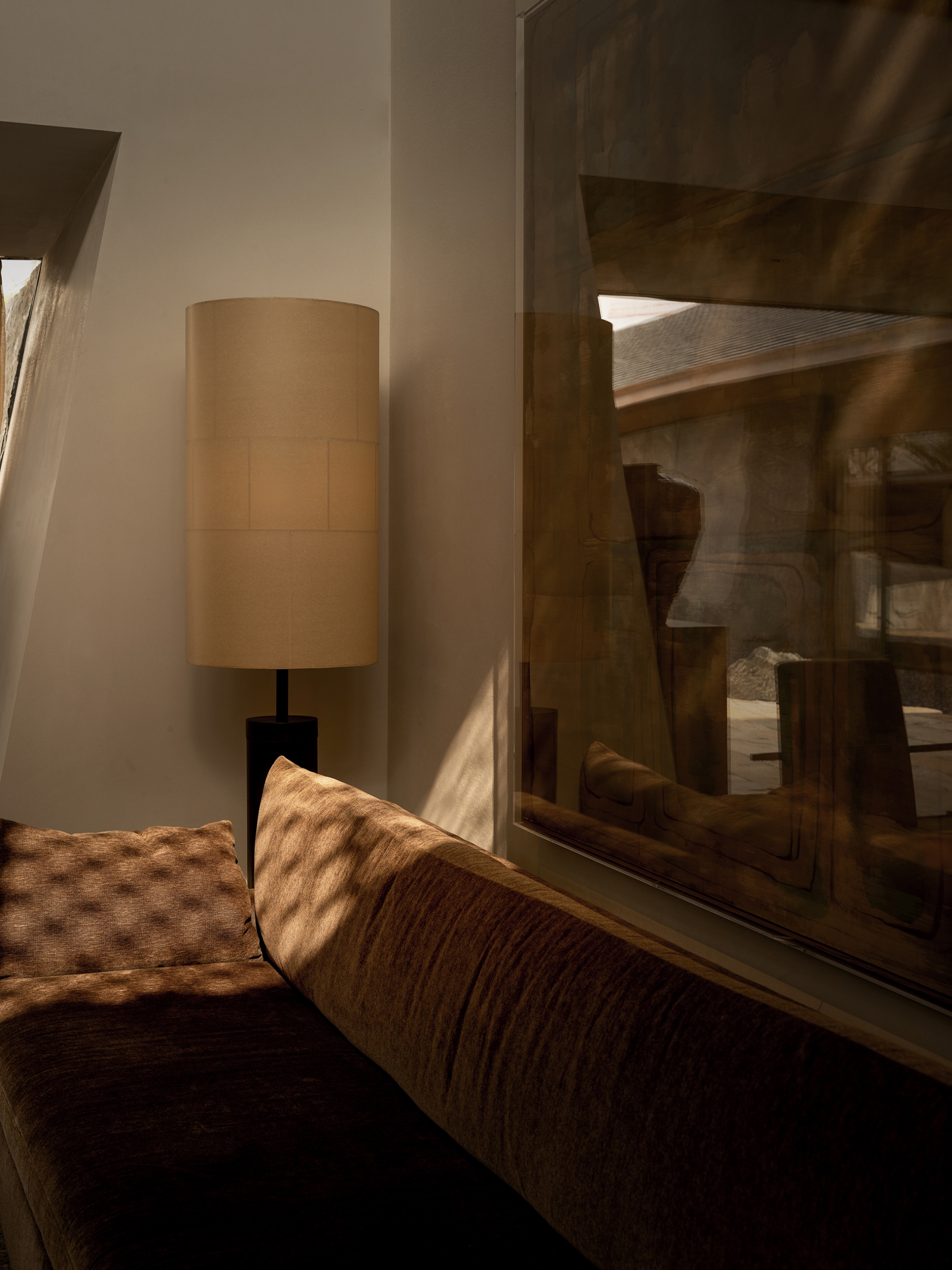
There is an interesting paradox emerging in residential architecture. As building technology becomes increasingly sophisticated, allowing homes to be constructed with greater precision than ever, more homeowners are drawn to houses that look as though they have stood for decades, even centuries.
According to Architectural Digest, an increasing number of residential projects across the US are embracing the idea of “new build, old soul” – entirely new homes designed with the proportions, character, and atmosphere of historic architecture. From Colorado farmhouses and English country-inspired estates to carefully researched Mid-century homes, the common thread is not an attempt to replicate the past, but a desire to create a sense of time and history.
Finding Authenticity in Everyday Life
According to the architects interviewed by Architectural Digest, homebuyers during the 2010s were particularly drawn to highly minimalist interiors defined by crisp lines, new materials, and an almost complete absence of signs of age.
But over time, that aesthetic began to feel increasingly predictable. Homeowners are now looking for spaces with greater material depth, more layers of history, and above all, a stronger sense of authenticity.
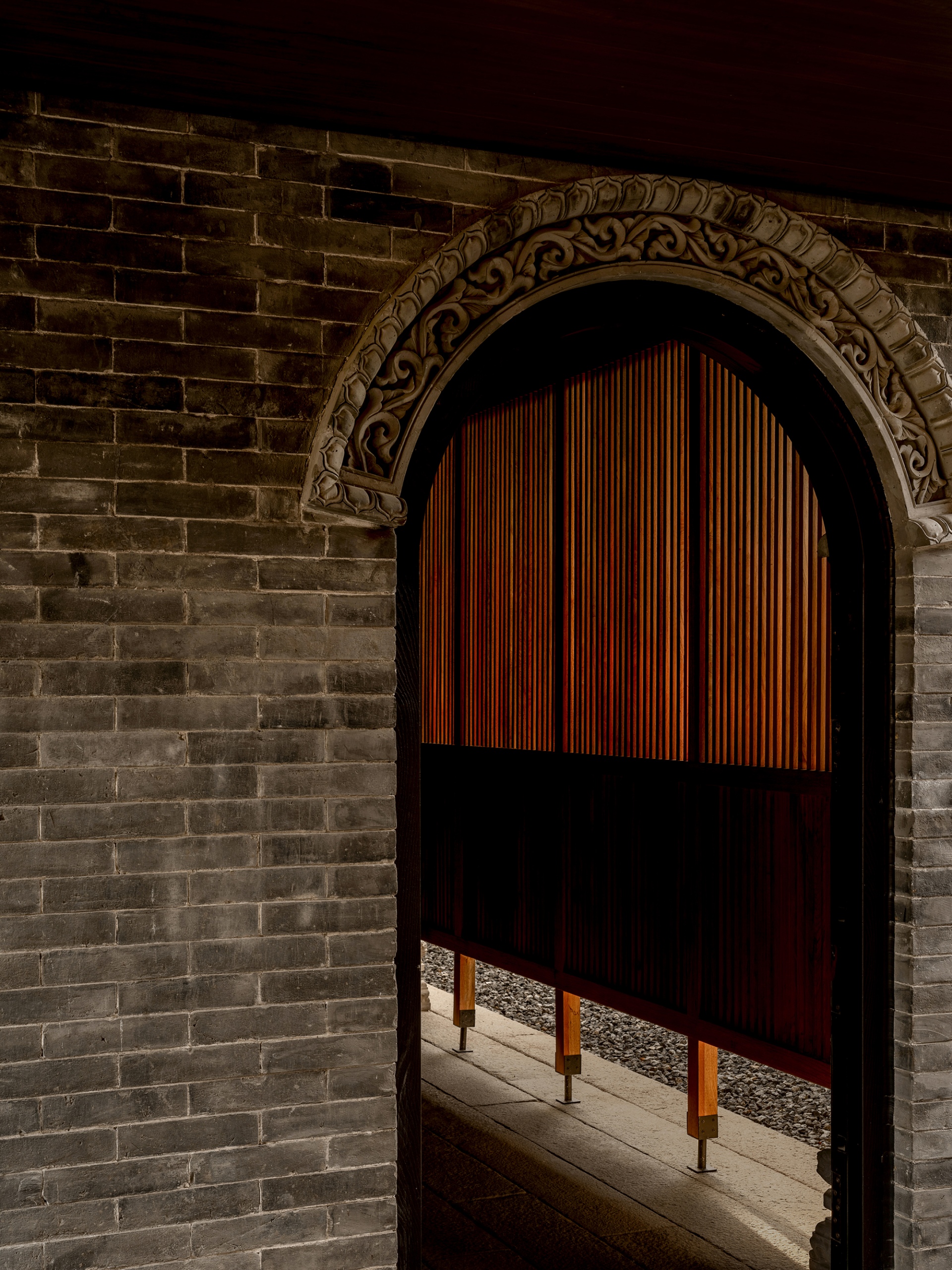
Architect James Paragano sees this as a natural shift in design. When a particular aesthetic reaches its peak, people inevitably begin searching for something that feels different. And today, what they are looking for is authenticity — a sense of realness, character, and lived experience.
The Beauty of Timeworn Details
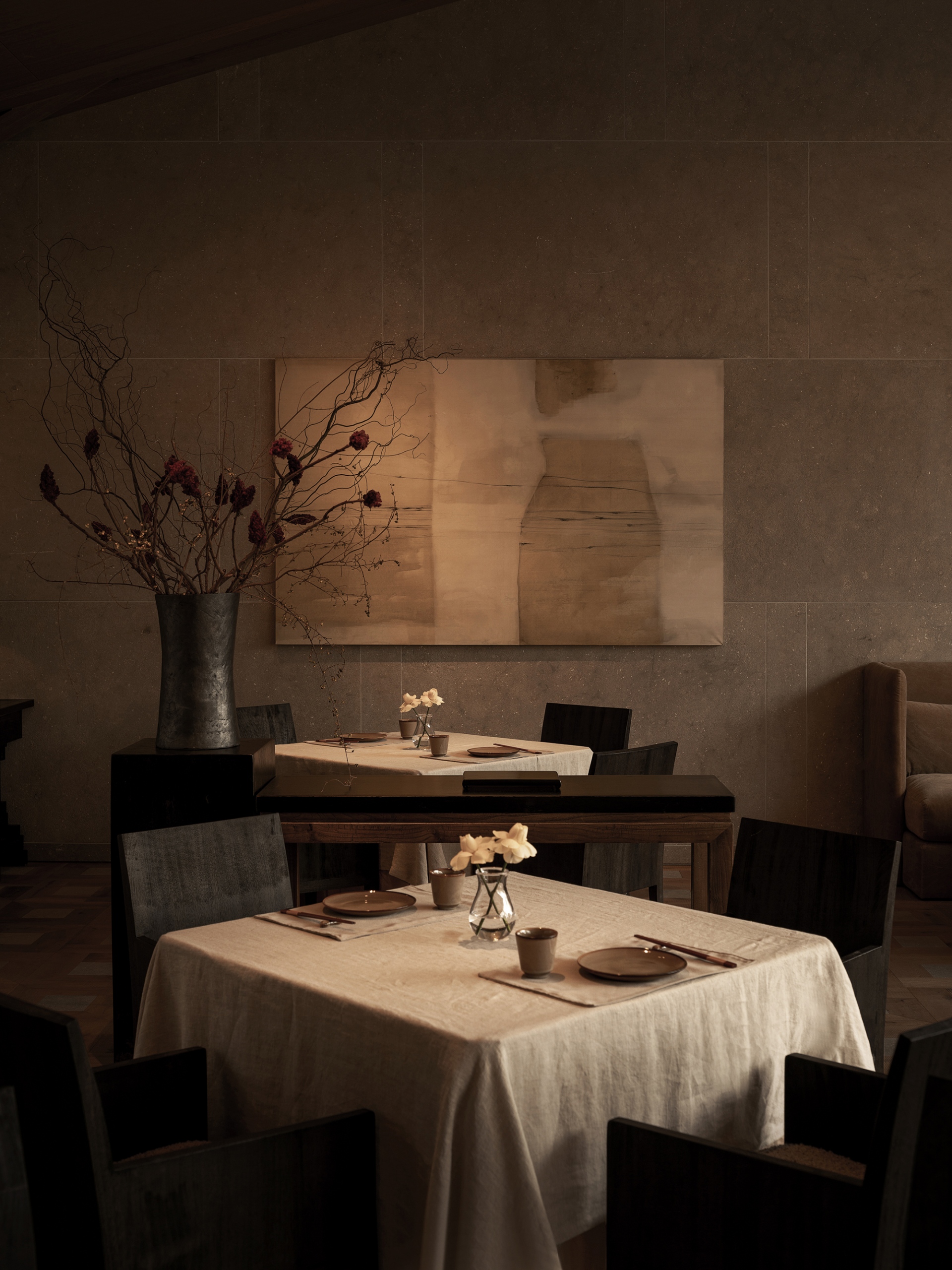
What is particularly interesting is that many homeowners are no longer looking for perfection. Instead, they are deliberately choosing materials that already carry the marks of time: chipped ceramic tiles, reclaimed European doors, worn marble, or surfaces with a naturally developed patina. Scratches, faded tones, and signs of wear are not treated as imperfections, but as details that give a space its character.
This approach is also becoming increasingly visible in residential projects across Southeast Asia and Taiwan. Rather than covering a building with entirely new finishes, many architects are choosing to preserve handmade terracotta tiles, aged timber, local stone, or incorporate pieces crafted by local artisans. The dialogue between old materials and new architecture allows these spaces to feel contemporary while carrying the impression of having evolved over many years.
This can be seen at Sunyata Datong, where contemporary architecture is combined with natural materials and handcrafted finishes to create a space that feels as though it has been shaped by time.
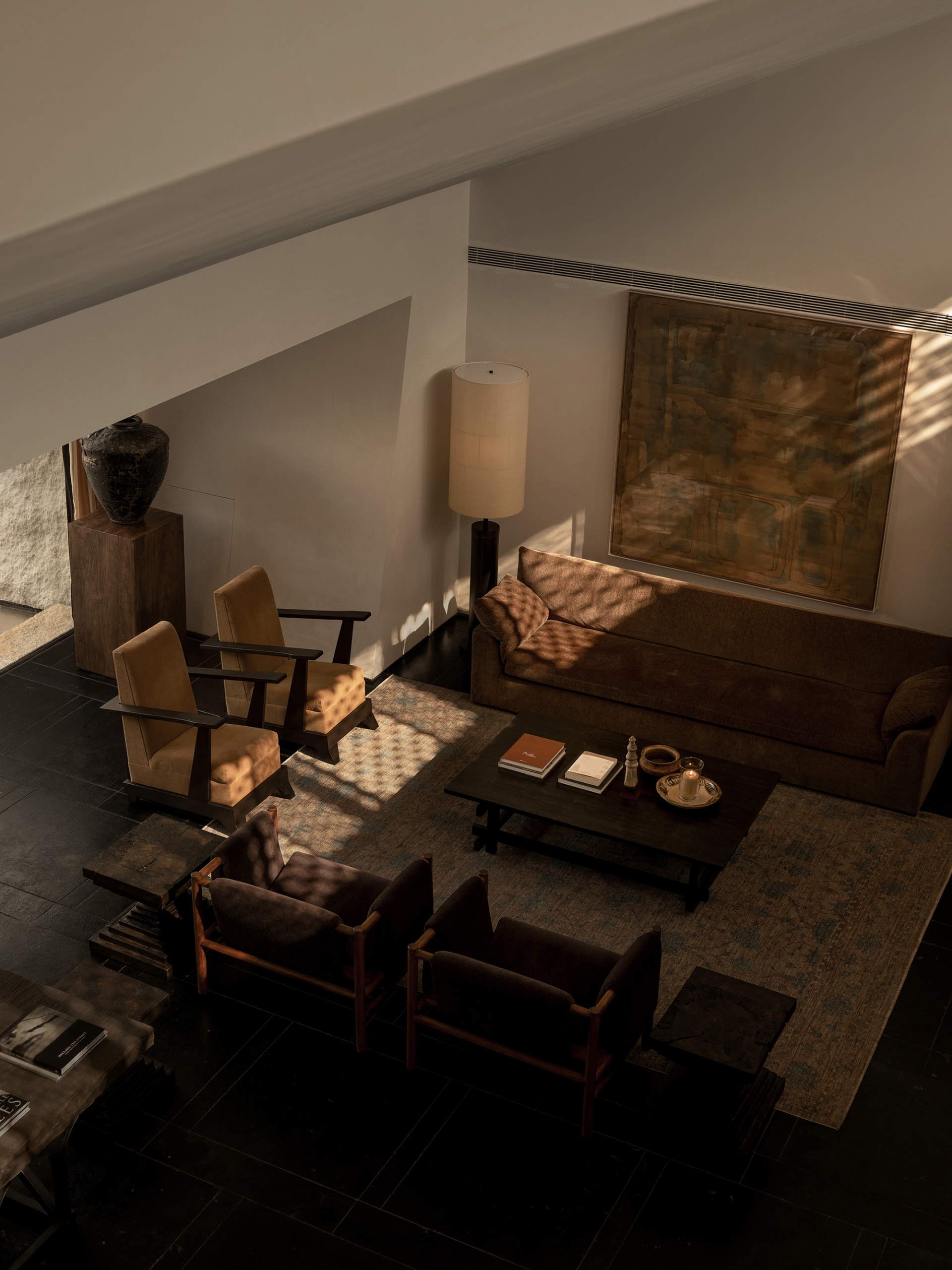
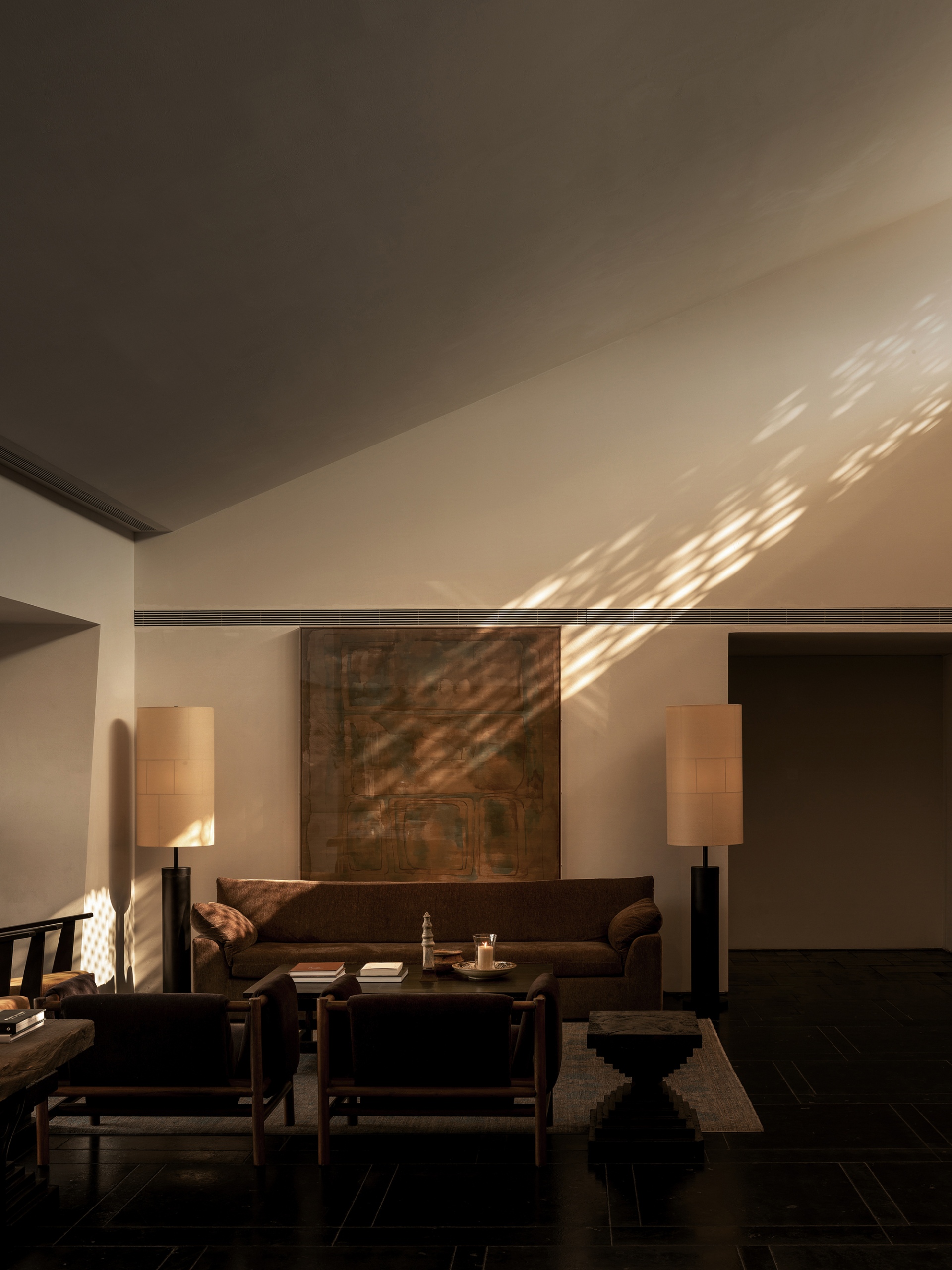
What gives these homes their appeal is not an attempt to make them look old, but the way each material is allowed to tell its own story. Every surface carries traces of use and time, giving the space a sense of authenticity and allowing its character to deepen as the years pass.
A New Home with a Story of Its Own
This shift also reflects a broader change in how people define what a new home should be. Rather than creating a flawless house with little sense of identity, many homeowners are choosing to begin with a space that feels as though it has already been shaped by generations of living.
The combination of contemporary comfort and the beauty of time allows these homes to satisfy two desires at once: the convenience of modern living and the warmth, familiarity, and sense of story that make a house feel truly lived in.
Designing a Home to Age with Its Owners
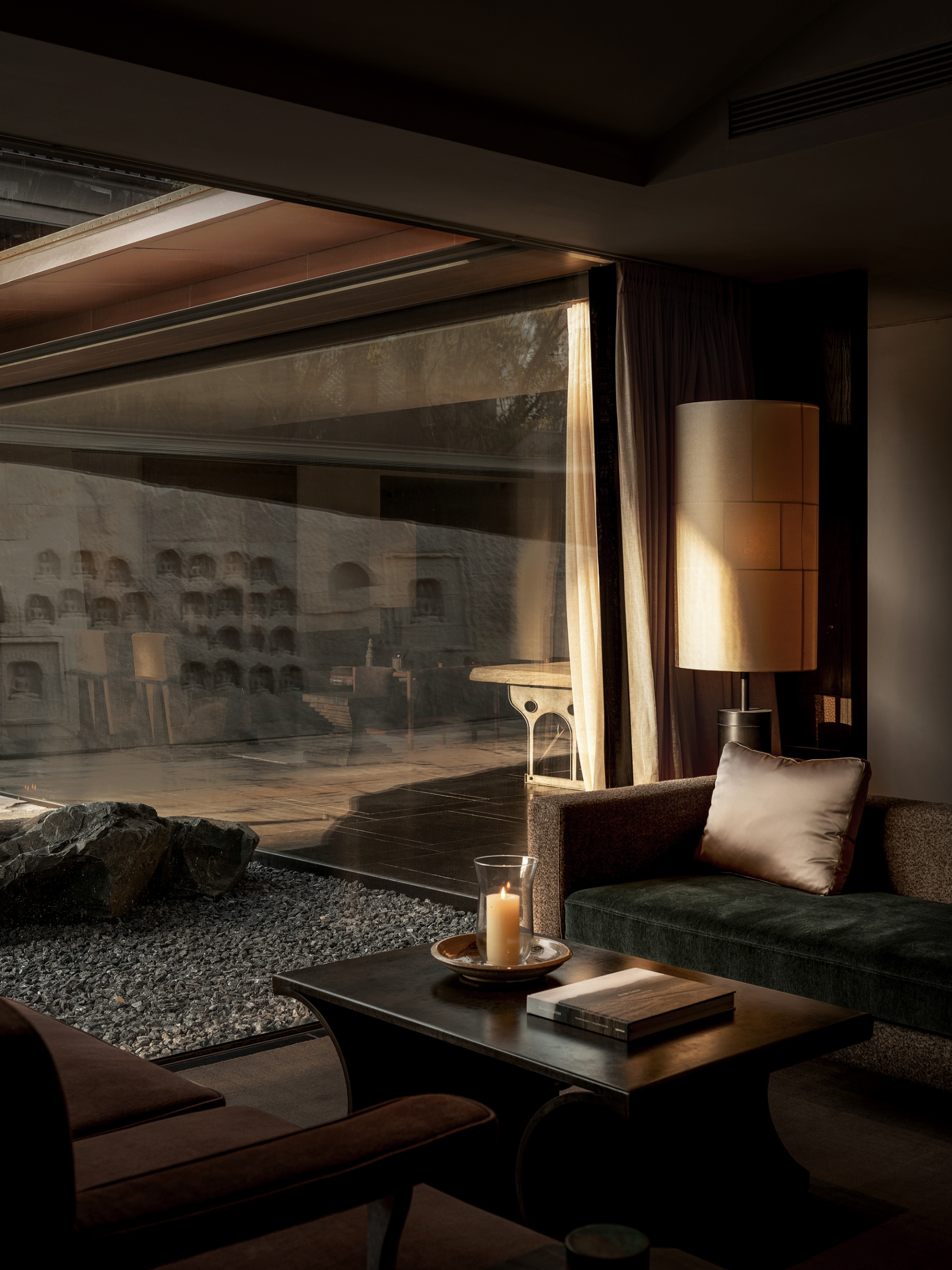
Perhaps the most compelling aspect of this trend is not the recreation of any particular historical style. What architects and homeowners are really seeking is the feeling that old houses naturally possess: authenticity, depth, and a sense of having been lived in over time.
At a moment when so many new homes are beginning to look alike, houses designed to “age beautifully” offer a different way forward. Architecture is no longer simply about creating a place to live, but about creating a sense of belonging from the very beginning. And sometimes, a home that has only just been completed can still feel as though it has been there all along.
Source: Architectural Digest