TOP 5 Beautiful, Luxurious, and Timeless Villa Paint Colors
SENDESIGN
|
August 9, 2026
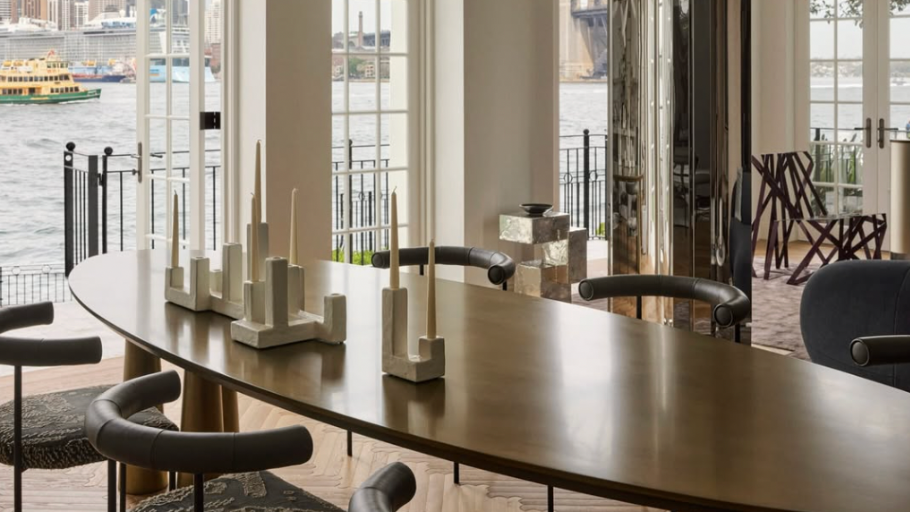
Choosing a paint color for a villa is not simply a decision of personal preference but also relates to the balance between architecture, light, materials, and the surrounding landscape. The right choice can highlight the project's lines, while a poorly harmonized color scheme can easily make the whole lose its inherent luxury. This article suggests 2026 trending villa paint colors along with color-coordination principles many architects apply.
Quick summary:
- Beautiful villa paint colors today favor refined, luxurious tones such as cream white, gray, blue-black, beige, and earth brown rather than overly vivid colors.
- Choosing paint color should be based on the architectural style such as modern, Neoclassical, Indochine, or garden villa to create unity for the whole project.
- The 60-30-10 color rule helps balance the dominant, supporting, and accent colors, limiting a busy feel when designing the exterior.
- Light, house direction, and the surrounding landscape greatly affect how the paint color is expressed after completion.
- Homeowners can refer to paint colors by Five-Element feng shui, flexibly combining the element, aesthetics, and personal preference.
- Prioritize premium exterior paint lines with UV-resistant, waterproofing, anti-alkali, and color-durable features to maintain the villa's beauty for the long term.
1. A Roundup of Beautiful Villa Paint Colors for Each Architectural Style
Each color brings its own signature and suits a particular design style. Below are villa paint colors that enhance architectural beauty and create a luxurious appearance for the project.
1.1. Porcelain White, Cream White – Timeless Luxury
Porcelain white and cream white are classic colors that often appear in high-end villa designs. Not only creating a spacious, airy feel, these colors also bring a refined, elegant beauty to the whole project. In addition, a white base helps highlight architectural details such as balconies, glass door frames, decorative lighting, and other exterior materials.
1.2. Gray and Blue-Black Tones – Refined & Modern
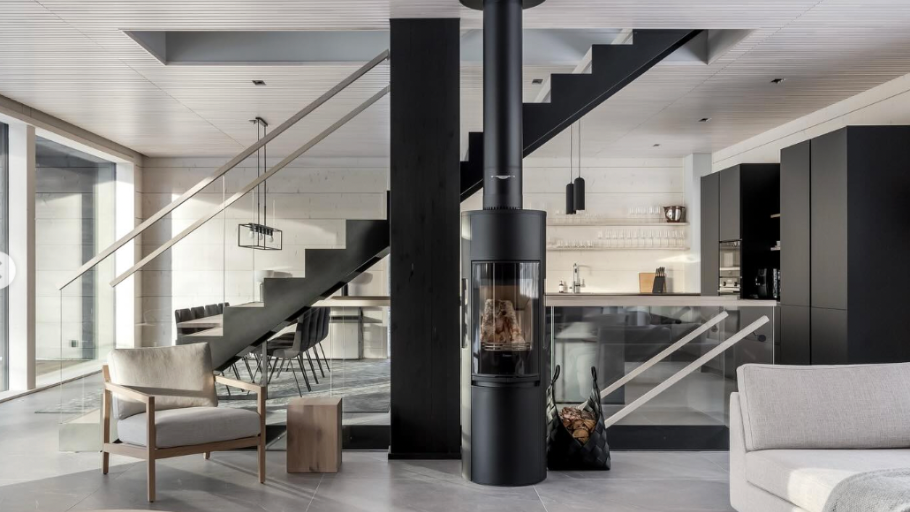
For villas with block-based architecture, square lines, and many large glass panels, gray or blue-black tones are a suitable choice to create a strong, characterful exterior. These cool-leaning neutral tones bring a modern, minimalist feel rich in Western architectural character.
1.3. Beige, Milky Cream – Warm and Elegant
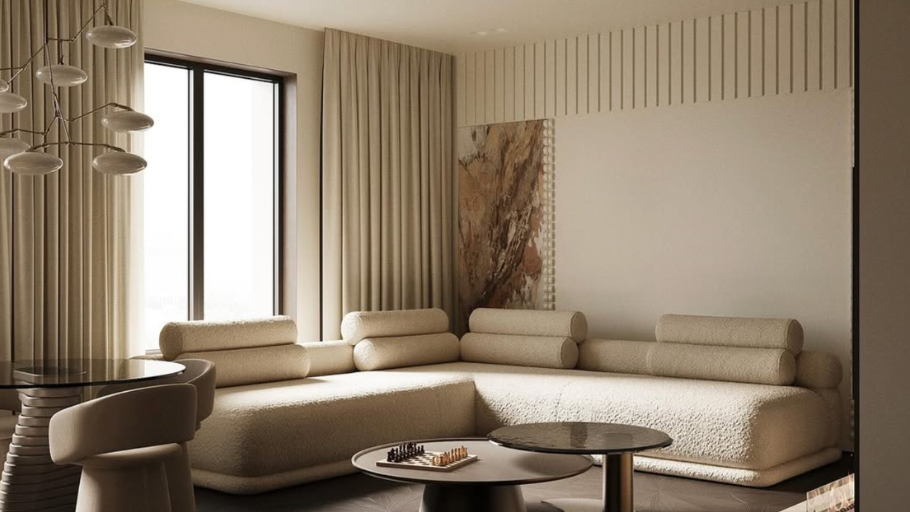
Beige and milky cream are ideal choices for villas in the Neoclassical style or those that love European-style luxury. Compared to traditional yellow, these tones are gentler, creating a cozy feel while retaining refinement. Combined with natural light, the villa becomes more striking and appealing.
1.4. Earth Tones (Warm Brown, Terracotta) – Close to and Harmonious with Nature
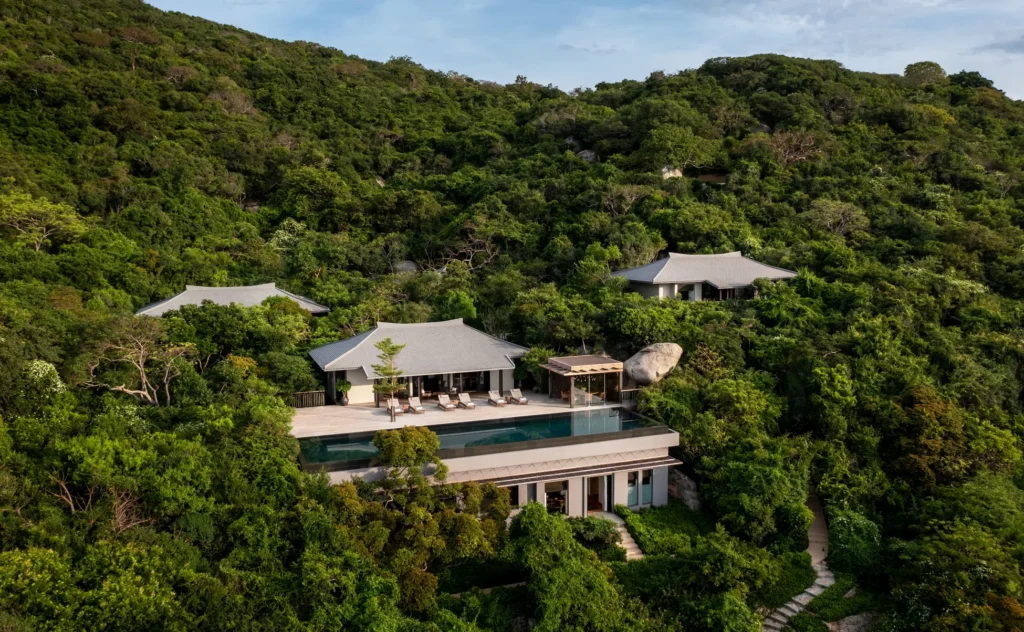
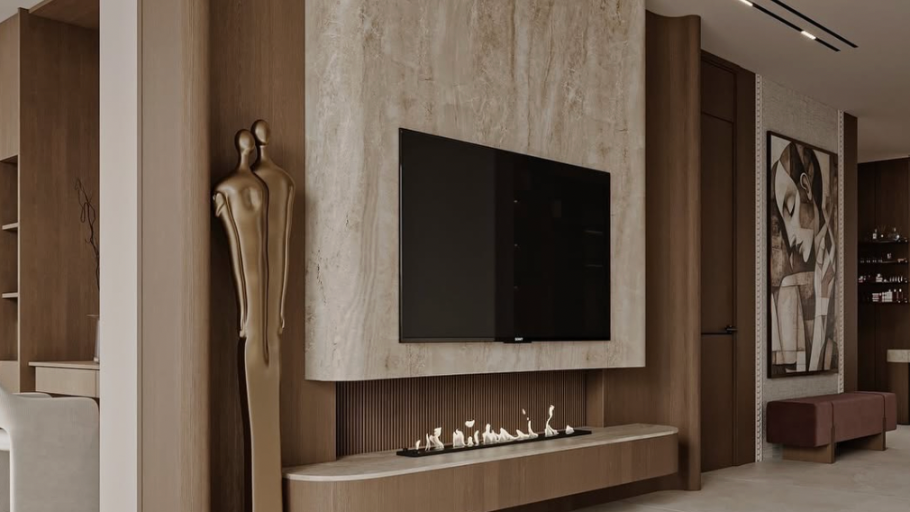
Along with the growth of green architecture and sustainable living, nature-inspired tones such as warm brown, sand, and terracotta are increasingly favored. These tones are especially suitable for garden villas, helping the project blend with greenery and creating a close, relaxing feel.
2. Suggested Villa Paint Color Schemes by Architectural Style
Each architectural style has its own characteristics in form, material, and spatial emotion. Therefore, choosing a suitable palette will highlight the project's overall beauty while clearly expressing the homeowner's personality and aesthetic taste.
2.1. Color Coordination for Neoclassical & Classical Villas
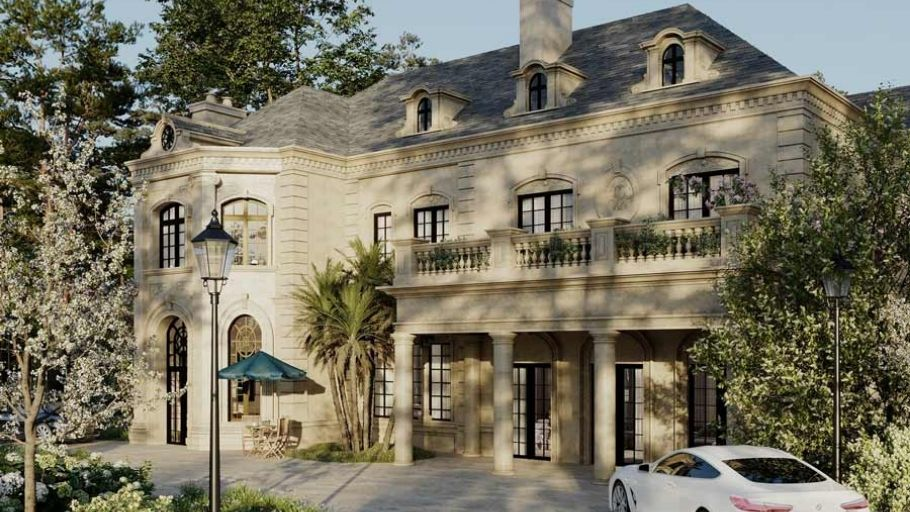
With a beauty that emphasizes luxury, elaborateness, and refinement, Neoclassical and Classical villas usually suit elegant tones combined with striking accents on architectural details.
- Dominant color: Porcelain white, cream white, or pale yellow creates an elegant, spacious feel and a base for the decorative details.
- Accent color: Bronze-gold and deep gray on moldings, or gray-blue on the roof, enhance the project's grandeur and nobility.
- Characteristics: This color scheme helps highlight the signature curved lines, patterns, and architectural details, creating a luxurious, opulent whole.
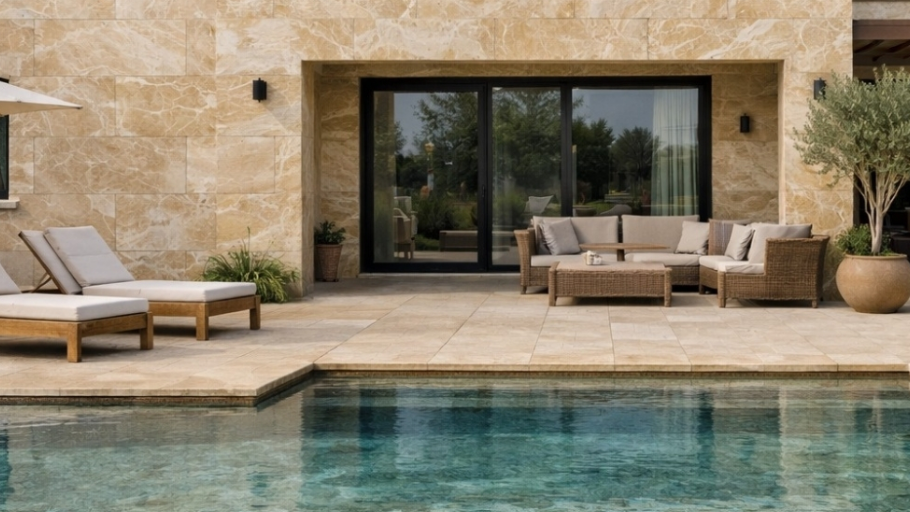
2.2. Color Coordination for Modern Villas (Villa, Flat-Roof House)
For modern villas, the palette usually aims for minimalism and refinement, emphasizing the beauty of strong architectural blocks.
- Dominant color: White, pale gray, or light neutral tones make the exterior space more airy and modern.
- Accent color: Dark gray, black, or wood-look clad wall areas create contrasting accents and add depth to the facade.
- Characteristics: The combination of light and dark areas highlights the decisive block lines, bringing a modern, characterful beauty.
3. Suggested Villa Paint Color Coordination by Landscape
Besides architectural style, the surrounding landscape also significantly affects the aesthetic effect of exterior paint. Choosing a palette harmonious with the environment helps the villa stand out while creating a balanced feel close to nature.
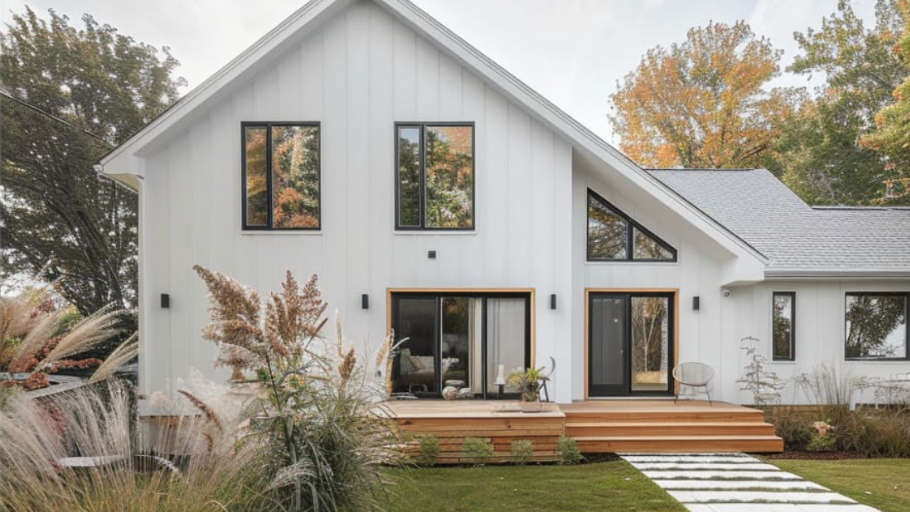
3.1. Color Coordination for Garden Villas
Garden villas usually prioritize a connection with nature, so the paint color should have a gentle, close tone to create a relaxing feel.
- Dominant color: Cream white, pastel green, or light gray helps the project retain an airy look harmonious with the landscape.
- Accent color: Natural wood brown and light moss green can be used on doors, roof, or decorative details to enhance closeness.
- Characteristics: Soft tones help the villa blend with greenery and the garden, creating a private, comfortable retreat space.
3.2. Color Coordination for Seaside Villas and Open Spaces
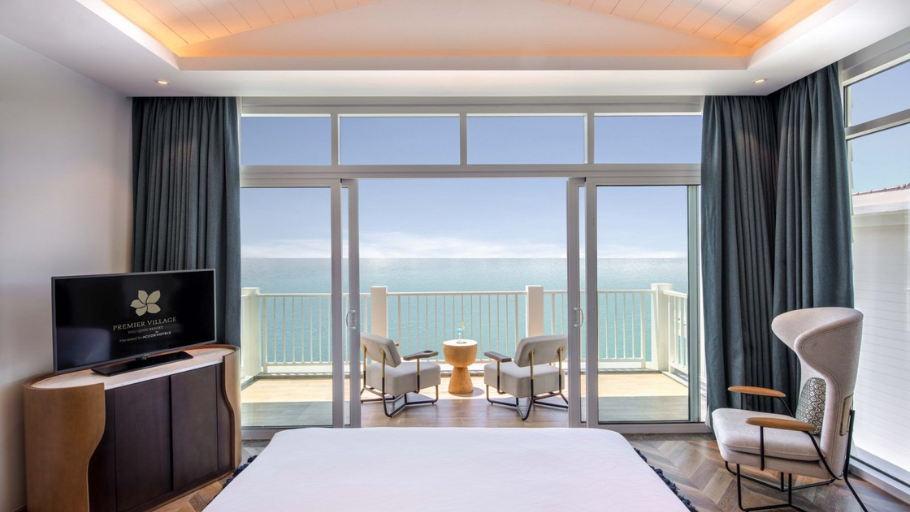
For seaside villas or those with wide views, the palette should aim for a light, fresh feel to harmonize with the natural landscape and bring a resort experience.
- Dominant color: White, cream white, turquoise, or mint green makes the project bright, airy, and reflect natural light well.
- Paint choice: Prioritize exterior paint lines with waterproofing, UV resistance, peel resistance, and tolerance of salty-air environments to maintain color durability over time.
- Accent color: Navy blue, light gray, or natural wood details create refined accents and add depth to the facade.
- Characteristics: Cool tones help the villa blend with the sky and sea, bringing a relaxing, comfortable, resort-like feel.
4. Suggested Villa Paint Color Coordination by Feng Shui & House Direction
For Vietnamese people, a feng-shui-compliant house brings a flow of positive energy, peace, and wealth to the homeowner.
4.1. Choosing Villa Paint Color by Element (Five Elements)
In Five-Element feng shui, each element has groups of mutually generating and compatible colors that help homeowners easily choose suitable exterior paint colors. Below are some reference suggestions:
| Element | Birth Year (Example) | Compatible Paint Colors (Choose) | Conflicting Paint Colors (Avoid) |
|---|---|---|---|
| Metal | 1984, 1985, 1992, 1993… | Porcelain white, cream white, gray, pale yellow | Red, pink, deep orange (Fire overcomes Metal) |
| Wood | 1988, 1989, 2002, 2003… | Green, deep sea blue, black, blue-gray | White, metallic (Metal overcomes Wood) |
| Water | 1982, 1983, 1996, 1997… | Blue, porcelain white, light gray | Earth yellow, earth brown (Earth overcomes Water) |
| Fire | 1986, 1987, 1994, 1995… | Pastel pink, light orange, red and brown accents | Blue, black (Water overcomes Fire) |
| Earth | 1990, 1991, 1998, 1999… | Earth yellow, warm brown, milky cream, pale pink | Green (Wood overcomes Earth) |
Note: Feng-shui color choices are for reference. Homeowners should harmoniously combine feng shui, architectural style, and personal preference to create a suitable whole.
4.2. Choosing Exterior Paint Color by House Direction
Besides the element, house direction is also a factor many homeowners consider when choosing villa paint colors. Each direction has different characteristics of light and climate, which affect how the project's color is perceived.
- East/Southeast-facing house: A direction receiving plenty of morning light, suitable for green and blue tones or colors that feel fresh and close to nature.
- West/Northwest-facing house: Usually affected by afternoon sun, so favor light, cool tones such as white, milky white, or pale blue for a gentler feel.
- South-facing house: Has relatively favorable light conditions, suitable for many palettes, especially warm tones such as pale pink, light orange, or pastel red.
- North-facing house: Usually has little direct light and feels colder, so warm colors such as cream-yellow, pale yellow, and brick red can help the space feel more balanced and close.
Besides choosing paint colors suited to architectural style and feng shui, many homeowners also consider the construction start time for a smooth project. If you plan to build in the near future, you can refer to the article on building a house in 2027 by age for more comprehensive preparation before implementing.
5. Expert-Standard Villa Paint Color Coordination Principles
A suitable palette not only makes a villa stand out but also enhances the overall architectural value. To avoid poorly harmonized color schemes, architects usually apply the basic principles below when choosing exterior paint colors.
5.1. The 60-30-10 Golden-Ratio Color Rule
This is a common principle in interior design and architecture, helping create balance among the color areas in the overall project:
- 60% dominant color: Occupies most of the area such as walls and the villa facade. Neutral tones such as white, cream, and beige are usually prioritized to create a spacious, elegant feel.
- 30% supporting color: Used for architectural details such as columns, roof edges, secondary wall areas, or moldings. The color is usually 1–2 shades darker than the dominant color to add depth.
- 10% accent color: For small details such as doors, railings, metal frames, or decorative patterns. High-contrast tones make the project more striking.
5.2. Do Not Use More Than 3 Colors for the Exterior
A villa's exterior should aim for refinement and unity, so using too many colors can make the whole look busy, reducing the project's luxury. Usually, you should combine at most three main tones and distribute them in a reasonable ratio to create balance.
5.3. The Effect of Natural Light on Paint Color
The actual paint color after construction may differ from the sample palette, especially under the impact of outdoor light. Therefore, homeowners should consider the house direction and sunlight intensity before choosing colors.
- West-facing villa: Usually endures strong afternoon sun, so favor cool tones such as gray, pale gray, or neutral for a gentler feel.
- North-facing villa: Receives little natural light, suitable for warm tones such as cream, pale yellow, and beige to make the exterior space brighter and more vibrant.
6. Frequently Asked Questions About Villa Paint Colors
6.1. Which villa paint color suits every architectural style?
Neutral tones such as cream white, beige, light gray, or pale gray are a safe choice for most architectural styles, from modern and Neoclassical to Indochine. These tones easily combine with cladding stone, wood, metal, and garden landscape, while bringing a luxurious beauty that resists going out of fashion over time.
6.2. Should a villa be painted in only one color?
No. Using two to three tones adds depth to the project and highlights architectural details such as columns, roof, balconies, or moldings. You can apply the 60-30-10 color rule, in which the dominant color occupies most of the area, combined with a supporting color and an accent color for a more harmonious whole.
6.3. Do feng-shui villa paint colors have to be 100% element-compliant?
It is not necessary to absolutely follow the element's colors. Homeowners can choose tones suited to the architectural style and use feng-shui-compatible colors as the dominant or accent color. The important thing is that the overall project still ensures balance in color, aesthetics, and suitability to the family's preferences.
6.4. How often should a villa be repainted?
Usually, a villa should be repainted after about 5–8 years, depending on the paint quality, weather conditions, and level of maintenance. If the project frequently endures harsh sun, heavy rain, or a high-humidity environment, the paint layer can degrade faster. Periodic inspection and surface cleaning also help extend the lifespan and keep the paint color beautiful and durable.
Choosing a villa paint color should be considered together with architecture, landscape, feng shui, and material quality to create a project that is beautiful and durable over time. SENDESIGN will accompany homeowners in the design consultation and color-coordination process, helping realize a harmonious, upscale living space. Contact SENDESIGN today to have our architects advise on a color scheme suited to your project's unique style and characteristics.
To ensure the palette, finishing materials, and overall space are cohesive from the earliest stage, homeowners should choose professional villa interior design services. Planning the design before construction helps control the color, color proportions, and ensure unity between the exterior architecture and the interior space.
Experience professional general-contracting services and realize your aspiration for a home with SENDESIGN's experts today!
- Hotline: 091 676 88 88
- Website: https://sendesign.vn/vi
- Fanpage: https://www.facebook.com/sendesign8