The invisible details that shape a space
SENDESIGN
|
August 5, 2026
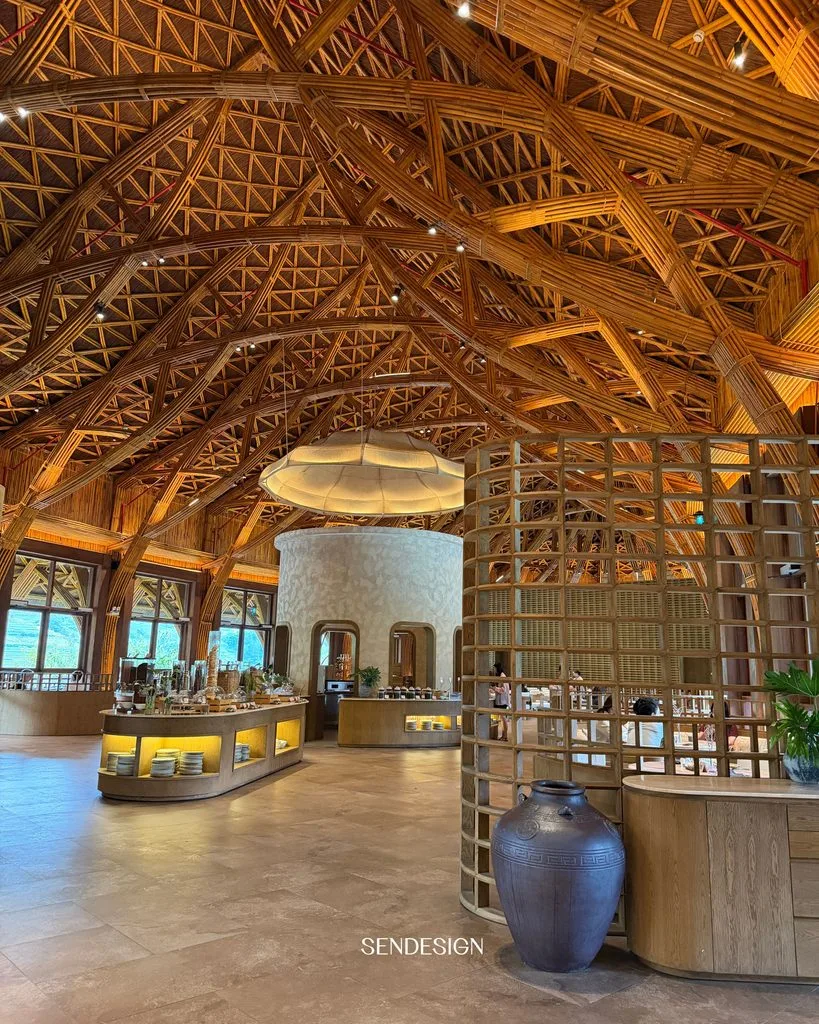
There are places we visit once and forget the moment we leave. Then there are spaces that remain with us for years, even when we can no longer recall the chair we sat in, the colour of the walls, or the light fixture overhead.
According to many of the designers behind some of the world's most celebrated hotels, restaurants, and museums, it is atmosphere that gives a space its lasting impact. It emerges from the interplay of light, materials, movement, sound, daily rituals, and the memories that accumulate over time. Each element may seem subtle, almost invisible on its own, but together they create an experience that lingers long after the details have faded.
This philosophy lies at the heart of Tiffany Howell's work. As the founder of Night Palm Studio and the designer behind Caviar Kaspia at The Mark Los Angeles, she believes that design is not simply about composing a beautiful interior. It is about creating the conditions for people to truly experience a space.
Light as an Emotional Trigger
Of all the elements that shape a room's atmosphere, Tiffany Howell believes lighting is the most important—and the one most often overlooked.
Rather than asking how a room will look, she begins with a different question: "How will this space feel at seven in the morning, four in the afternoon, or midnight?"
For Howell, lighting is about far more than brightness. It is the movement of sunlight across a room, the way it catches the grain of wood, the texture of stone, or the softness of fabric, and even how it falls across a person's skin. When carefully considered, lighting can make a space feel instinctively comfortable without people ever knowing why. When overlooked, it can just as easily create a subtle sense of unease that is felt long before it is consciously noticed.
Every Place Has Its Own Story
If lighting shapes emotion, context gives a space its identity.
For Will Meyer, co-founder of Meyer Davis, every hospitality project should begin by listening to the place it calls home. Every destination carries its own history, culture, and rhythm of life, and these, he believes, are the most meaningful materials a designer can work with.
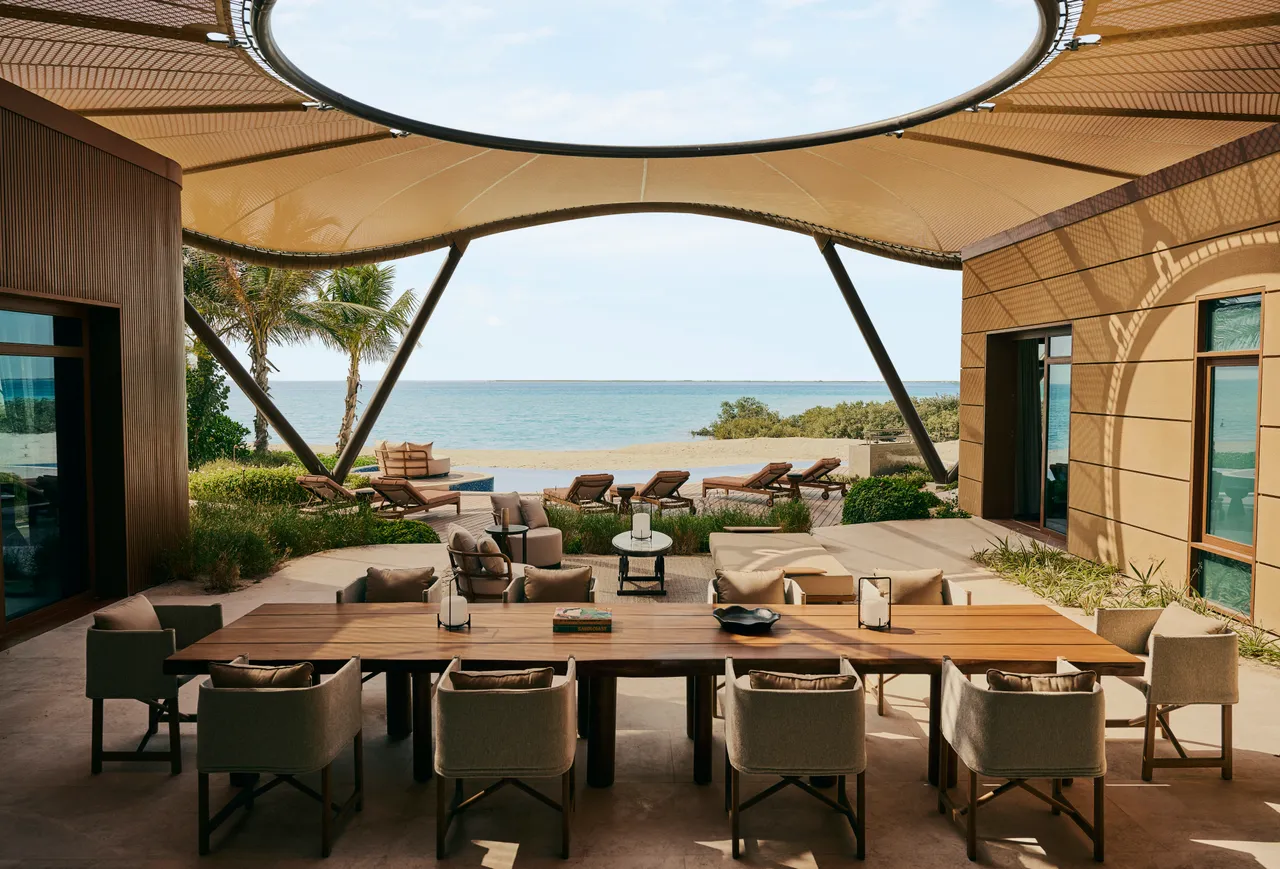
When designing Four Seasons Resort Red Sea at Shura Island, the team looked far beyond the architecture itself. They spent time observing the shifting sand dunes, coral reefs, mangrove forests, and the rhythm of the coastline, allowing the landscape to shape the design from the very beginning. Rather than applying local references as decorative gestures, they let the spirit of the place define the project's entire design language.
A similar approach is becoming increasingly common in high-end residential design, particularly across Asia. Instead of beginning with a predetermined aesthetic, many architects start with the way their clients live: where they spend the most time, how they unwind, and which spaces help them reconnect after a demanding day. It might be a small library, a tea room, a reading nook overlooking the garden, or a breezy veranda. These deeply personal spaces often become the emotional heart of the home, quietly shaping the architecture that grows around them.
For Meyer, the most memorable spaces are rarely those with the strongest stylistic identity. They are the ones that feel as though they have always belonged to their surroundings.
Great Experiences Begin with Small Gestures
Not every design decision begins with a complex drawing. More often than not, it is the simplest everyday rituals that shape a genuine sense of hospitality.
At the Jenni Kayne Farmhouse, Jenni Kayne has a welcoming ritual: she lights the fireplace before opening the windows or patio doors to greet arriving guests. It is a simple gesture, yet the combination of warmth from the fire and fresh outdoor air immediately creates a sense of ease.
This is the kind of experience many designers are striving to create today. A memorable space is shaped not only by what people see, but also by how they enter, breathe, move through, and inhabit it. It is these quiet, almost imperceptible moments that ultimately define how a place is remembered.
Architecture Shapes the Rhythm of Life
In museums, the experience unfolds differently.
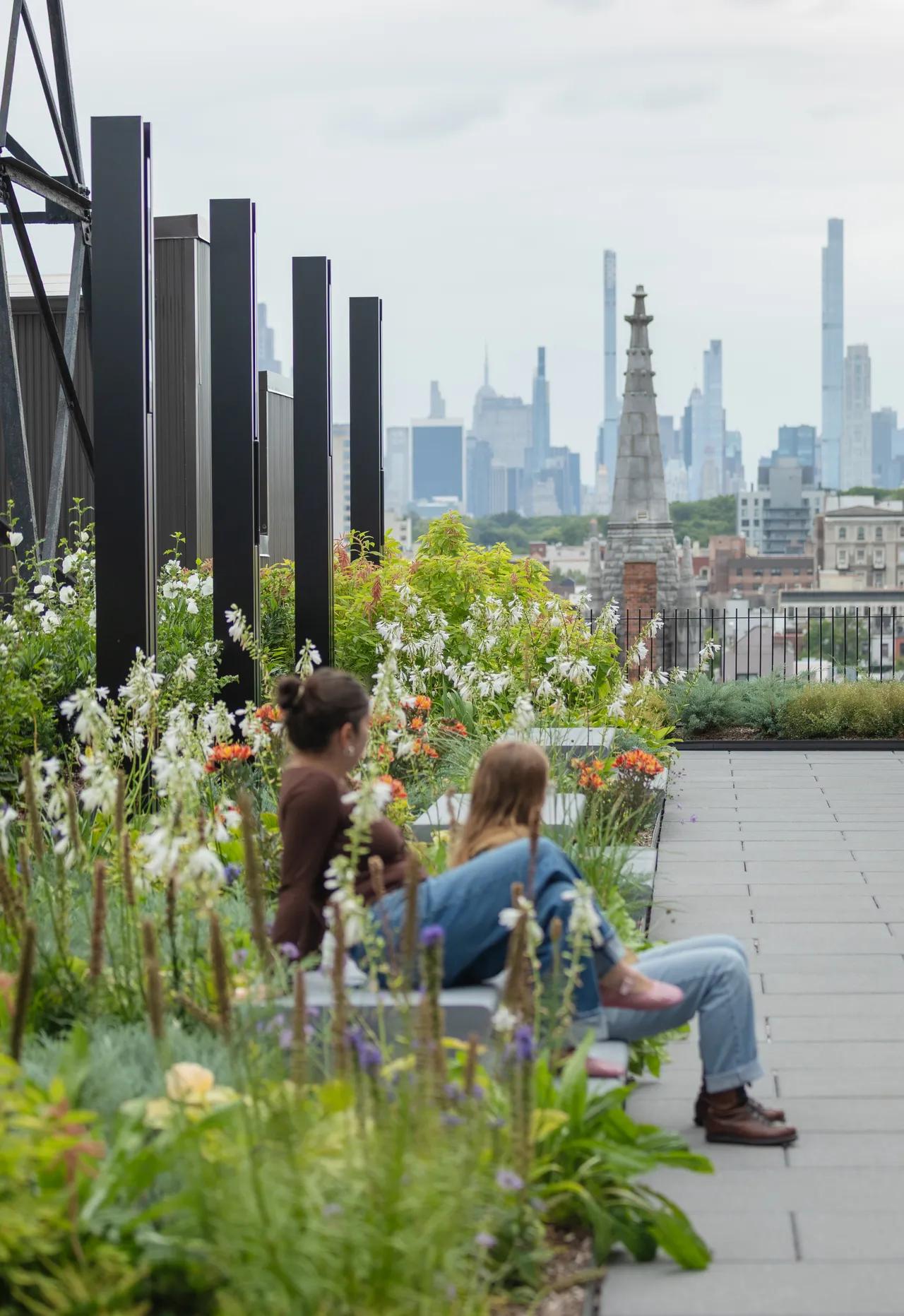
According to Sara Zewde, the landscape architect behind the rooftop garden at the Studio Museum in Harlem, museums have a unique ability to slow people down. Visitors instinctively lower their voices, look more closely, and move through the space with greater care.
With that in mind, the rooftop garden was conceived as a pause within the museum journey. Trees, seasonal planting, gentle breezes, and thoughtfully placed moments of rest encourage visitors to reconnect with nature, with one another, and with their own emotions. For Zewde, the way people move through a space is not simply a response to design it is part of the design itself.
The Invisible Details That Shape a Space
Once the experience has been carefully shaped, materials carry the story forward.
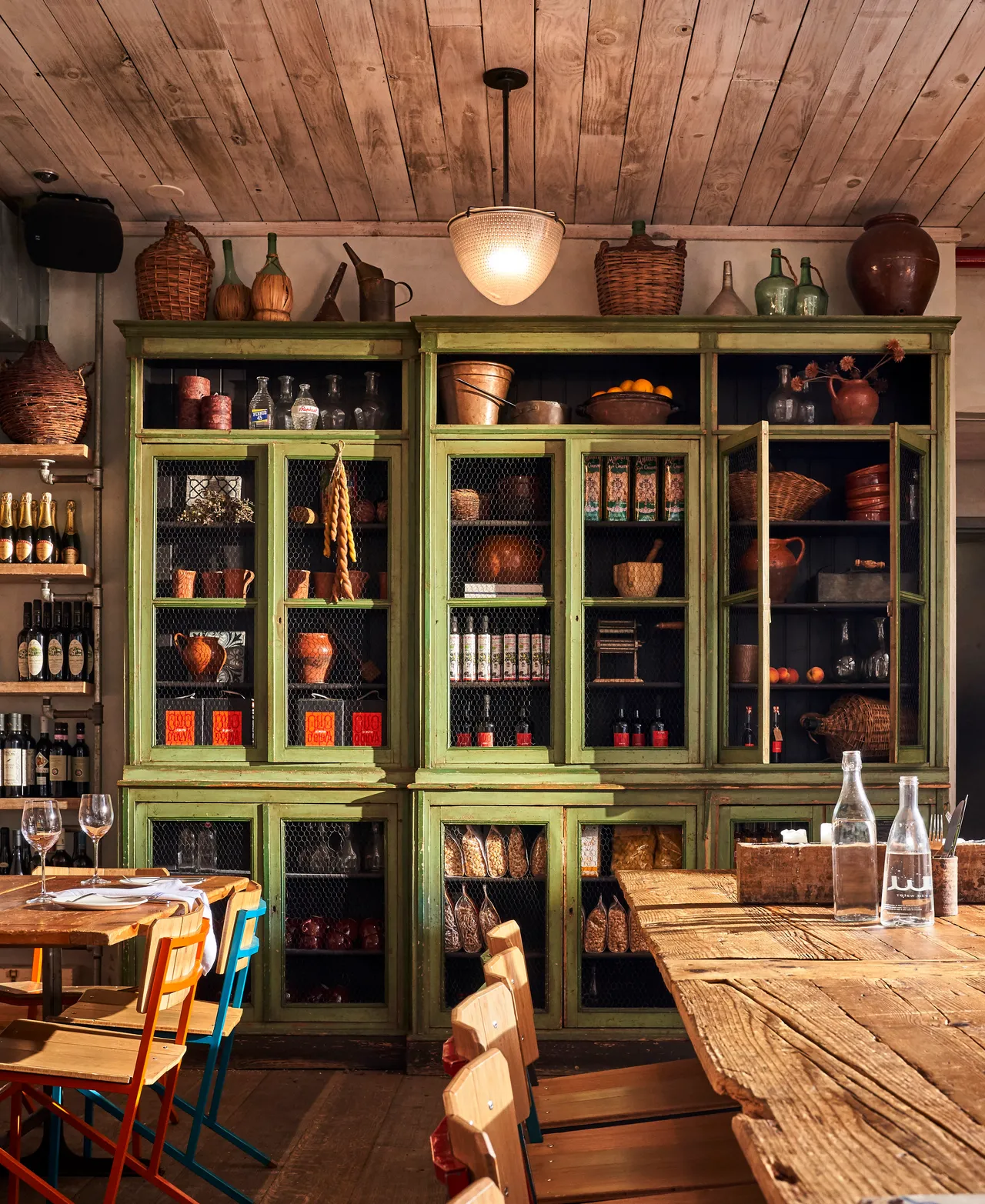
According to Donna Lennard, founder of the Il Buco restaurants, every surface is chosen with the intention of carrying the marks of time. Reclaimed wood, candlelight, objects collected over many years, and weathered plaster do more than create visual character they give the space its identity.
For Lennard, every material shapes experience in its own way. Wood absorbs sound differently from stone. Linen catches light differently from velvet. Lime plaster reflects light differently from polished marble. Layered with the rhythm of conversation, the energy of an open kitchen, and carefully curated music, these elements come together to create an atmosphere that lingers in people's memories, even if they cannot quite explain why.
Architecture That Preserves Memory
For Studio Sio, the greatest challenge in restoring Hotel Chelsea was never about creating a new identity. It was about preserving the spirit that had defined the building for generations.
As designer Shanta Trusewicz explains, Hotel Chelsea's enduring legacy has never rested on its architecture alone. It lives in the artists who once called it home, the artworks exchanged in lieu of rent, the performances that unfolded within its walls, and the countless stories accumulated over decades.
Rather than pursuing a flawless or uniform aesthetic, the design team chose to preserve the hotel's existing art collection, layering antique furniture, vintage pieces, and contemporary design to reflect its rich history. Even the acoustic design was carefully considered, allowing guests to sense the energy of the hotel while still finding moments of quiet once they returned to their rooms.
The same philosophy can be applied to residential design in a different way. A home does not have to erase every trace of the past in order to feel contemporary. More often, it is a family heirloom, a well-worn chair, a cherished art collection, or objects carrying personal memories that give a home its unmistakable character. When architecture makes room for these stories, it creates spaces that feel authentic, deeply personal, and capable of growing richer with time.
Conclusion
When we leave a hotel, a restaurant, or a museum, what stays with us is rarely the chair we sat in or the colour of the walls. More often, it is the feeling the place leaves behind.
As Sara Zewde puts it, "Rather than designing an image, we're designing a relationship between people and place." Perhaps that is why the most enduring spaces are not the ones with the boldest details, but the ones that cultivate an atmosphere subtle enough to invite people back, again and again. It is something that cannot always be seen, yet it is often what we remember most.
Source: Architectural Digest