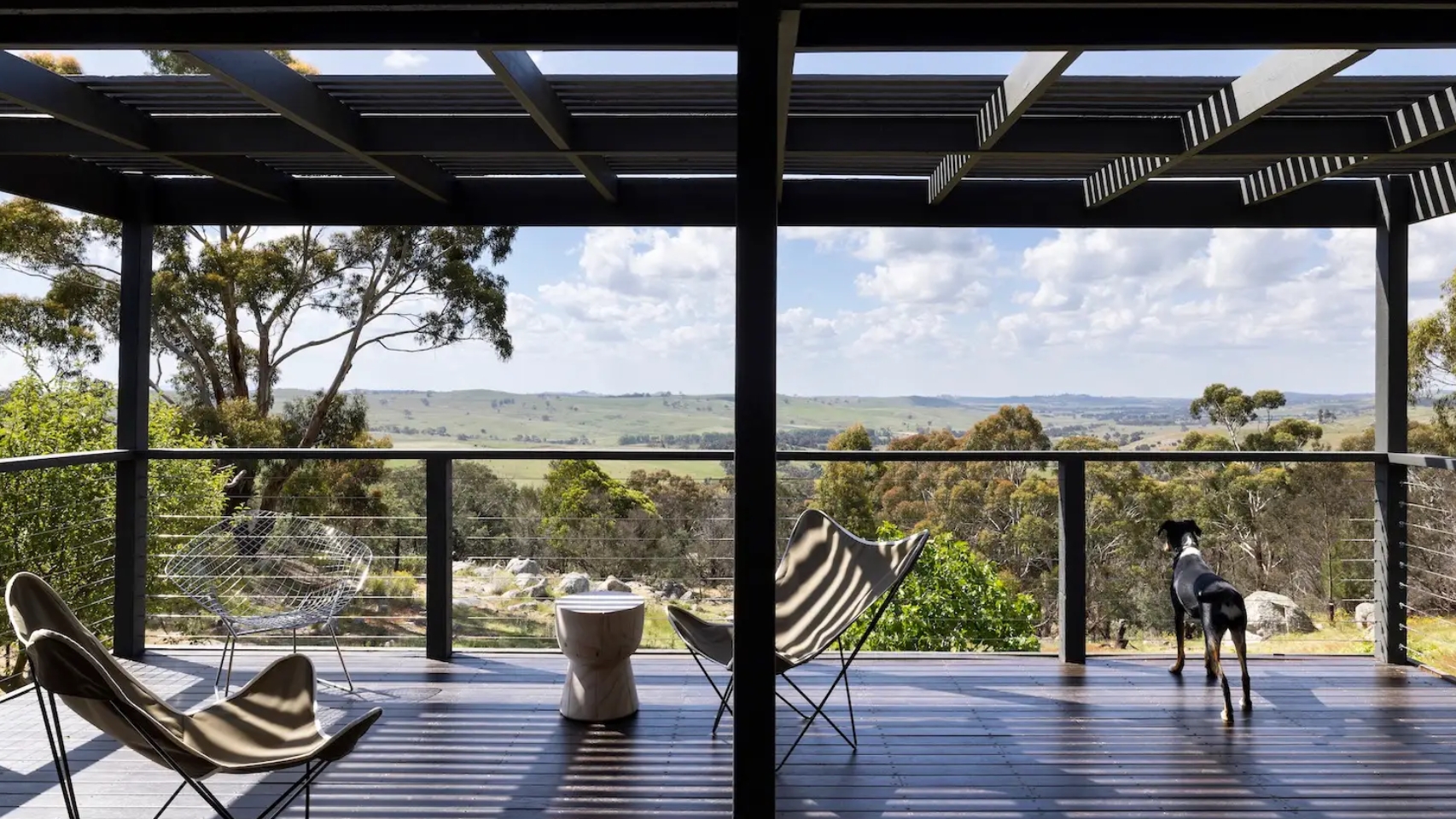
These understated elements may go unnoticed at first, but they play an essential role in creating a sense of comfort, balance, and emotional connection that unfolds over time.
In interior design, a floor plan serves a purpose far beyond organizing functional zones. It shapes the entire living experience within a home. The way spaces are opened, connected, or separated influences how people move through the environment, interact with one another, and experience the rhythms of everyday life.

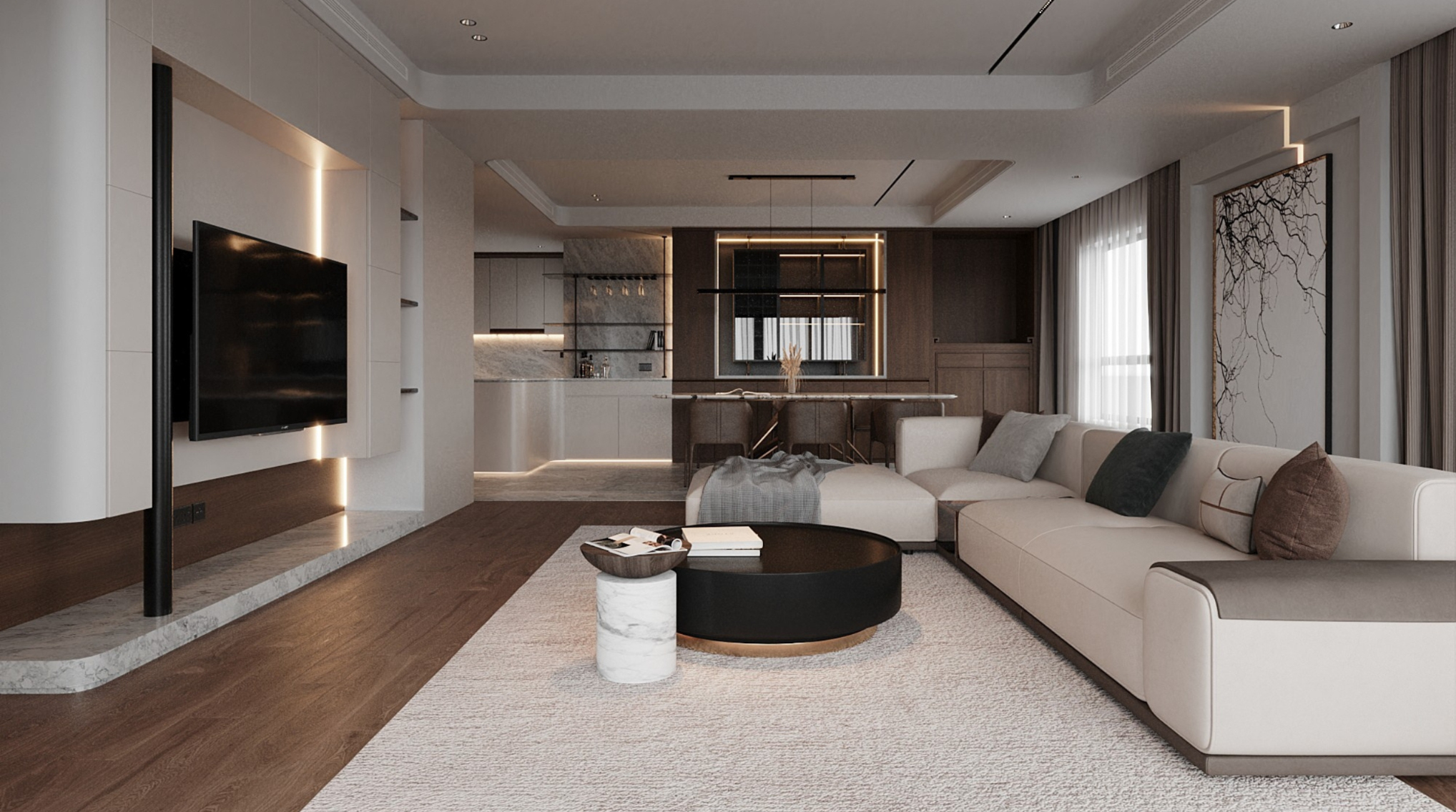
An open layout connects the living room, dining area, and kitchen in a seamless flow, creating a sense of openness while still maintaining warmth and intimacy.
Source: SENDESIGN
When a layout is well considered, each zone connects naturally to the next, creating a sense of flow that feels intuitive and comfortable to live in. In contrast, even a spacious room can feel fragmented if it lacks visual anchors or clear transitions between areas, resulting in an overall sense of imbalance.
These observations are also supported by research in environmental psychology, which suggests that the organization of space can directly influence how people feel and behave over time.
The experience of a space is shaped not only by what we see, but also by the subtle ways the body perceives it. It is here that materials become part of everyday living in a more immediate and physical sense. While natural stone or tile conveys a sense of solidity, coolness, and quiet refinement, softer surfaces such as fabric, leather, and wood provide a counterbalance through warmth and tactile depth.
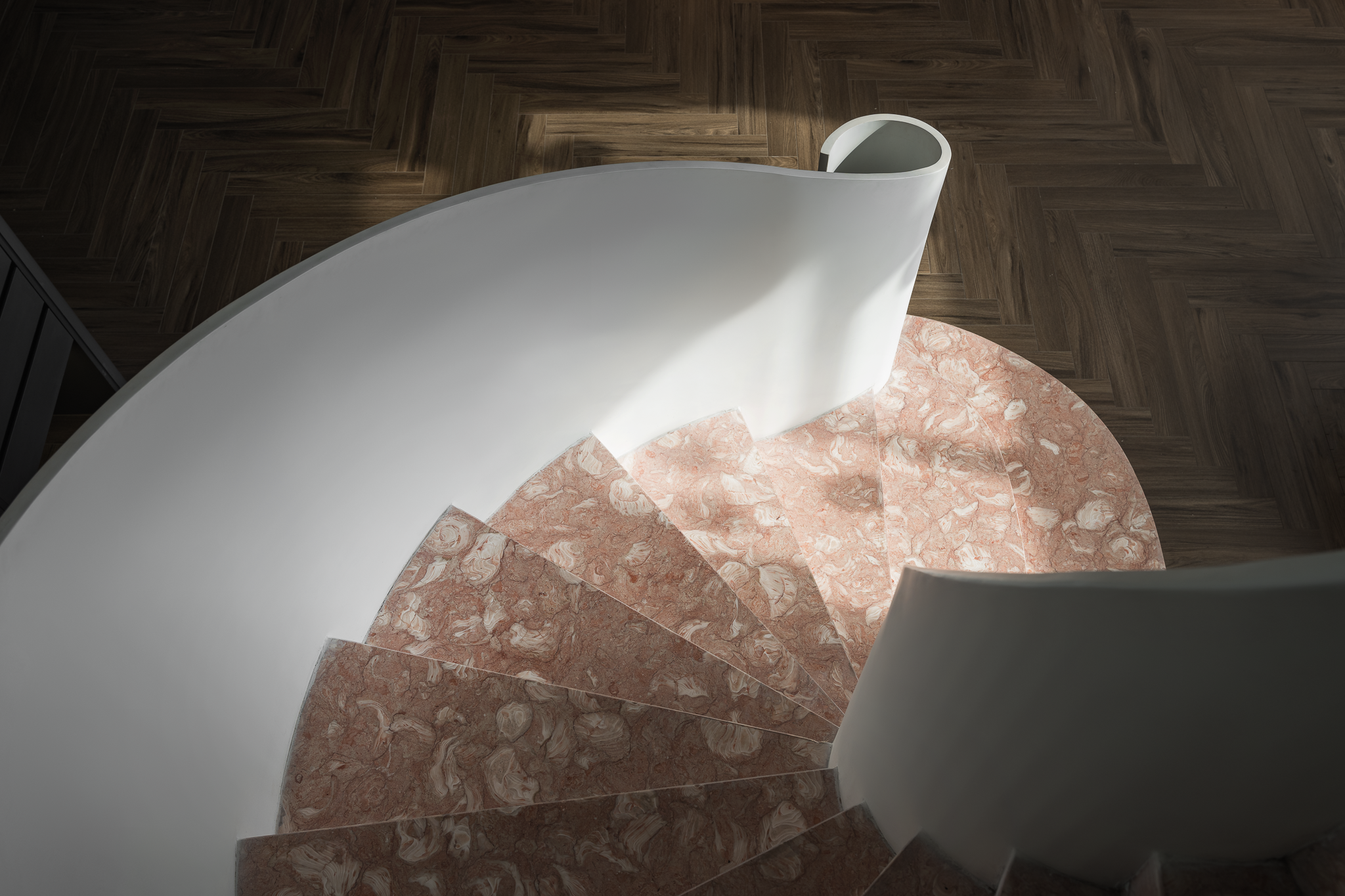
Warm-toned natural wood, cool veined stone, and fluid curved forms come together in harmony, creating a layered experience that engages both sight and touch.
Source: SENDESIGN
Unlike industrial materials, natural wood retains a gentle warmth and subtle resilience underfoot. Its unique grain patterns introduce quiet variations in texture, making each touch feel more alive and authentic. The interplay between hard and soft, warm and cool materials becomes a key element in creating a space that feels dynamic, balanced, and full of life.
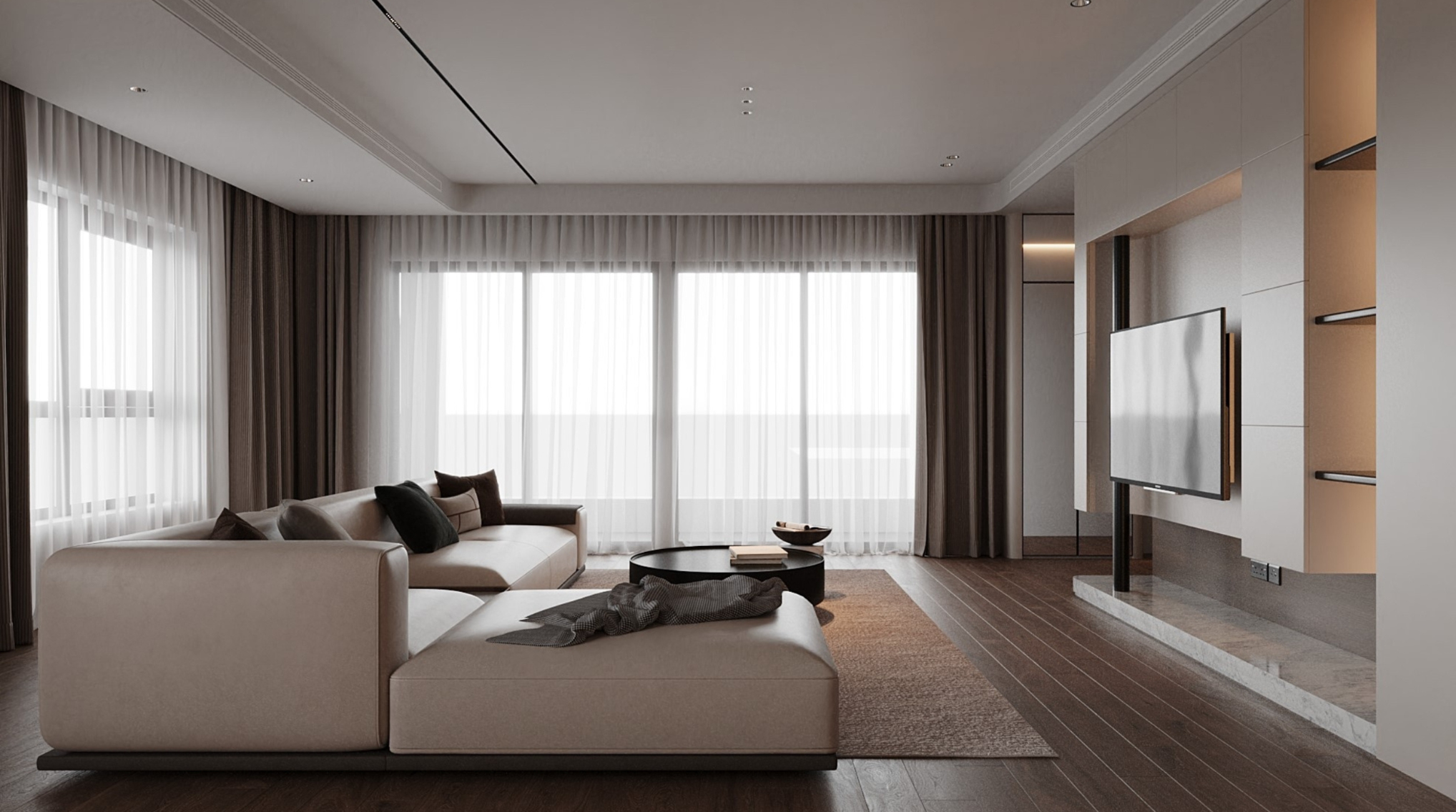
The value of a living space is not immediately apparent. It is gradually revealed through the way people live with it over time. Decisions around proportion, detailing, and materiality quietly determine how a home will perform in the long run, whether it continues to feel comfortable or begins to expose its limitations as daily needs evolve.
Truly well-resolved spaces rarely rely on visual impact alone. Instead, they are defined by a sense of consistency and ease that endures through years of use. When every corner remains functional and balanced over time, design moves beyond surface aesthetics and becomes an essential part of everyday living.