Warm Minimalism: The Next Chapter of Contemporary Design
SENDESIGN
|
June 19, 2026
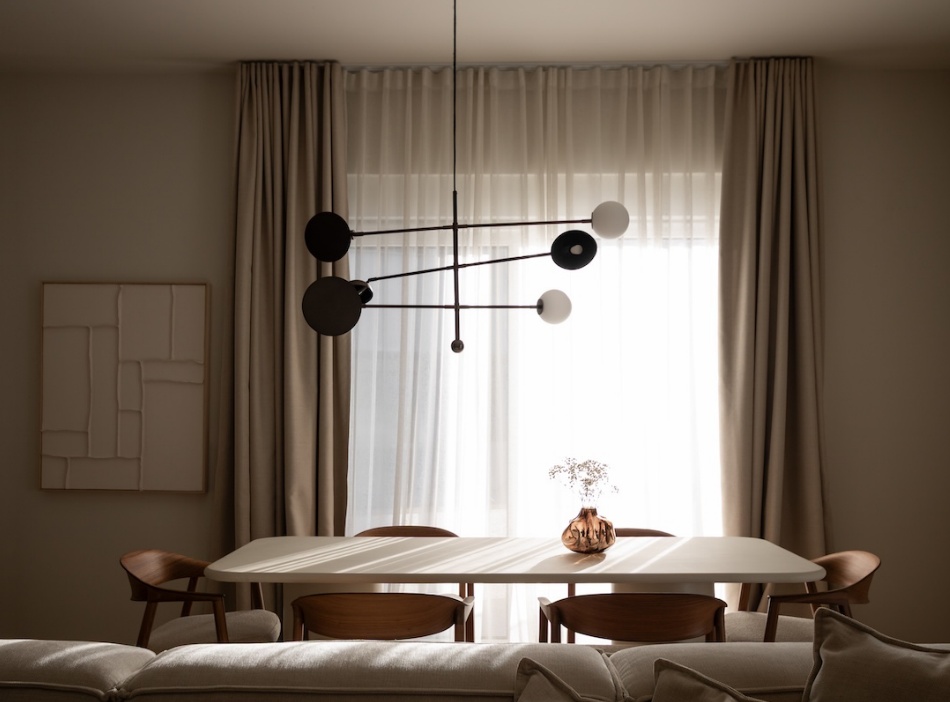
For years, minimalism has stood at the forefront of contemporary architecture and interior design. Defined by clean lines, restrained palettes, and a disciplined simplicity of form, it came to represent a modern lifestyle shaped by intention, where every element is carefully considered and unnecessary details quietly fall away.
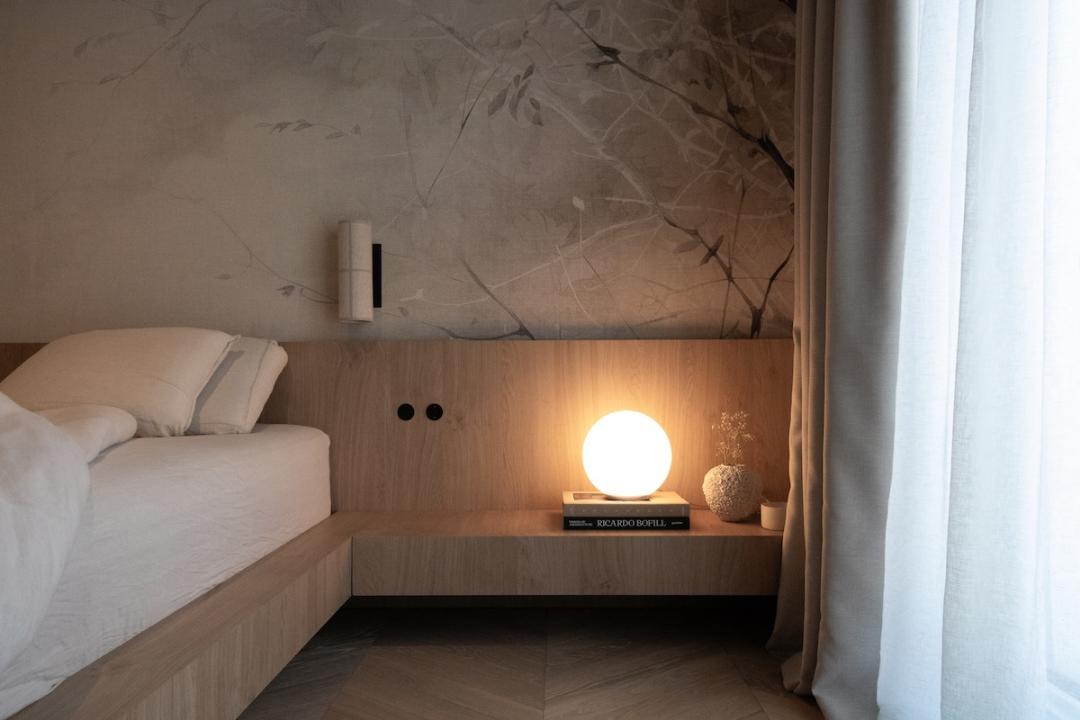
As daily life becomes increasingly shaped by information, technology, and constant connectivity, people have begun to seek more from their living environments. A beautiful home is no longer valued solely as an expression of personal taste or lifestyle. It is also expected to offer comfort, ease, and a genuine sense of well-being for those who inhabit it.
Perhaps it is this shift in priorities that has propelled Warm Minimalism to the forefront of design conversations in 2026. While it retains the restraint and clarity of traditional minimalism, its focus is no longer on reduction alone. Instead, it seeks to create spaces that feel calm, welcoming, and emotionally resonant, bringing a greater sense of warmth and humanity into everyday life.
When Home Becomes a Refuge from Everyday Noise
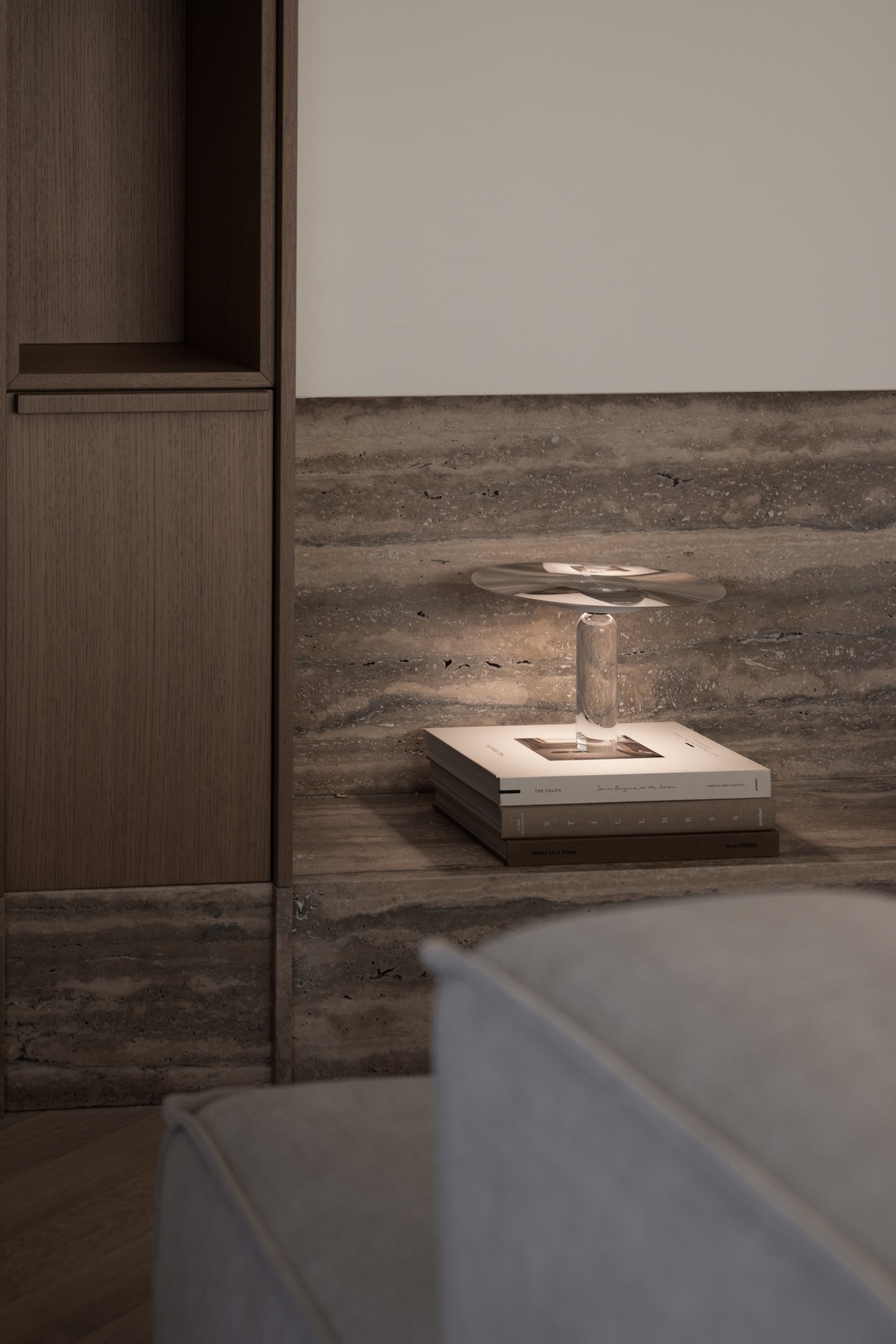
In a world where everything moves faster than ever, attention spans continue to shrink, and the boundaries between work and personal life become increasingly blurred, the home is expected to offer far more than its traditional functions. It is no longer simply a place to rest at the end of the day but a space where people can step away from external pressures and reconnect with a sense of balance.
This idea lies at the heart of Warm Minimalism. Rather than creating interiors that rely on visual spectacle or dramatic contrasts, the approach prioritizes comfort and well-being through the experience of space itself. Every element, from spatial planning and proportions to light and materiality, is carefully considered to foster a sense of calm, ease, and presence.
As a result, luxury is no longer defined by what immediately captures attention. Instead, it is measured by a space’s ability to make people want to stay, linger, and feel at home within it.
The Enduring Value of Authenticity
If form shapes a first impression, materials are what give a space its emotional depth.
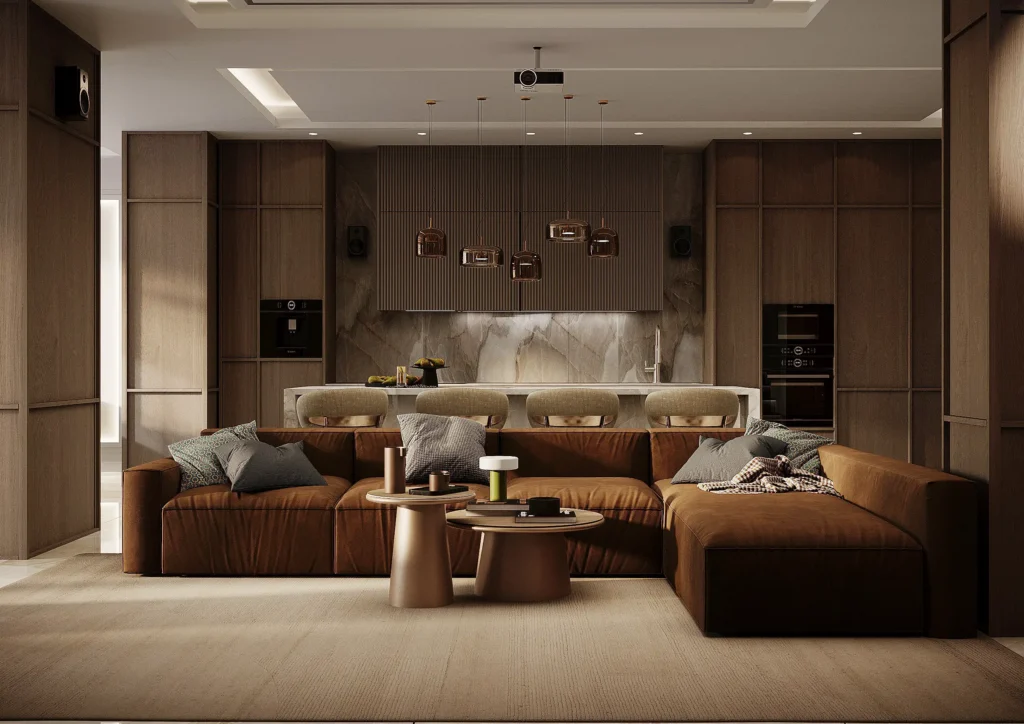
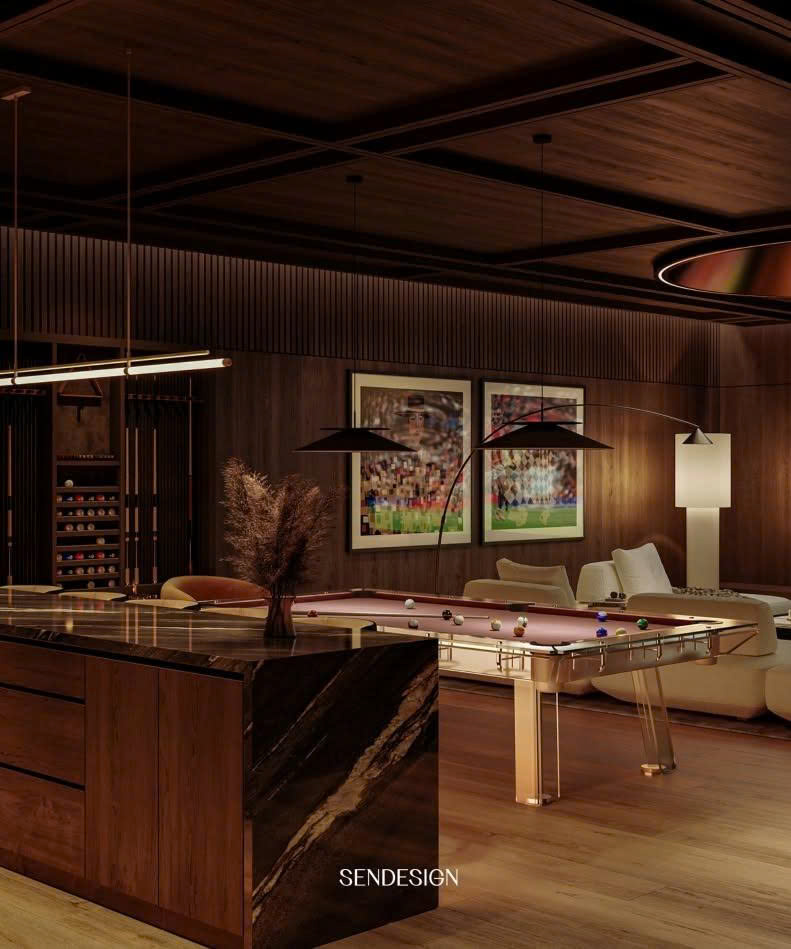
In interiors guided by the principles of Warm Minimalism, natural materials such as wood, stone, linen, woven wool, and handcrafted finishes are often favoured. Their appeal lies in a sense of authenticity and tactile warmth, qualities that are often difficult to replicate through mass-produced materials.
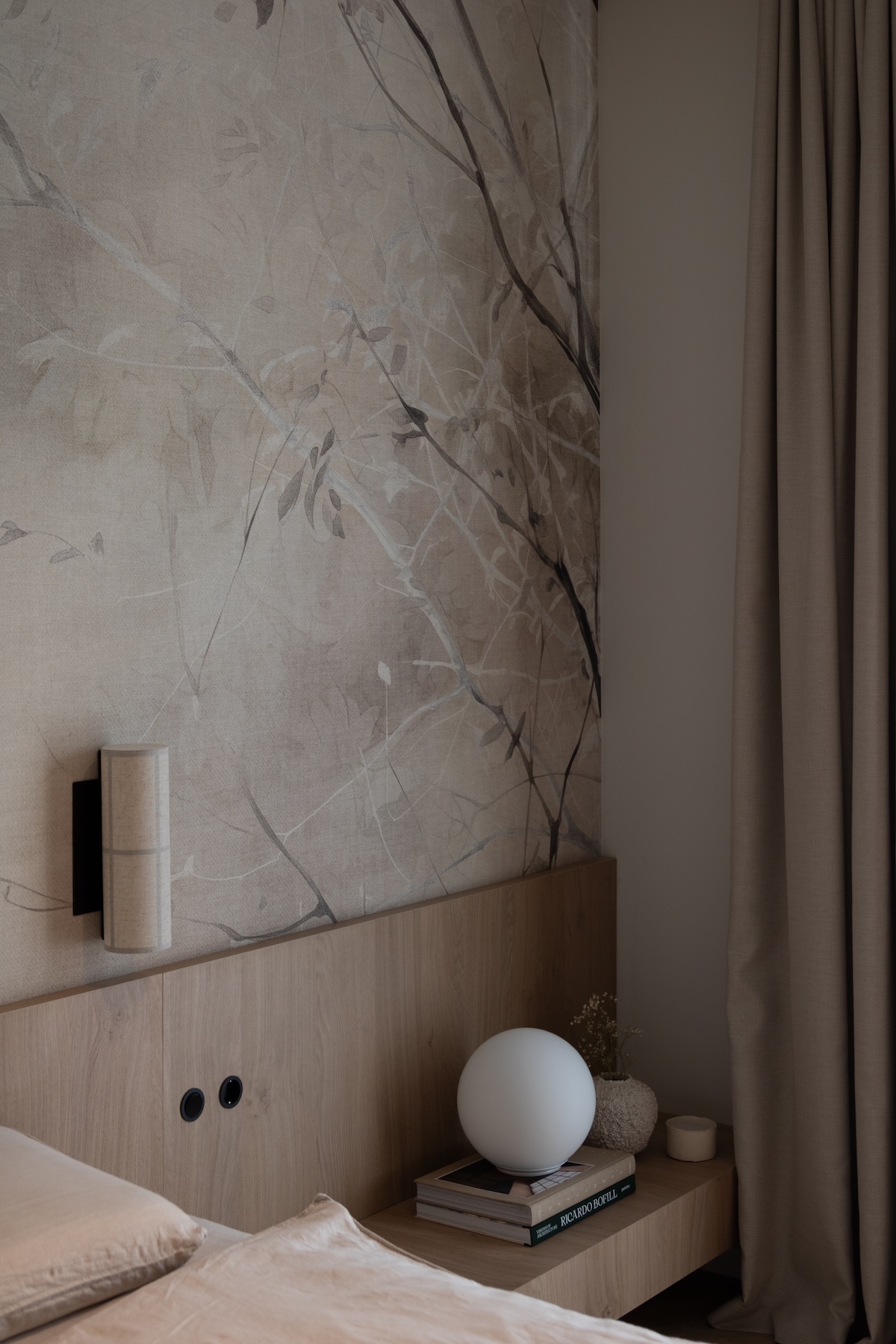
What makes these materials so compelling is not their perfection. Rather, it is the unique grain of wood, the subtle variations in natural stone, and the organic texture of woven fabrics that bring a sense of authenticity and vitality to a space.
As colour palettes become more restrained, materials take on a leading role in shaping the narrative of a home. Each surface contributes to both the visual and tactile experience, creating environments that feel welcoming and lived in, rather than simply beautiful to look at.
A Palette Inspired by Nature
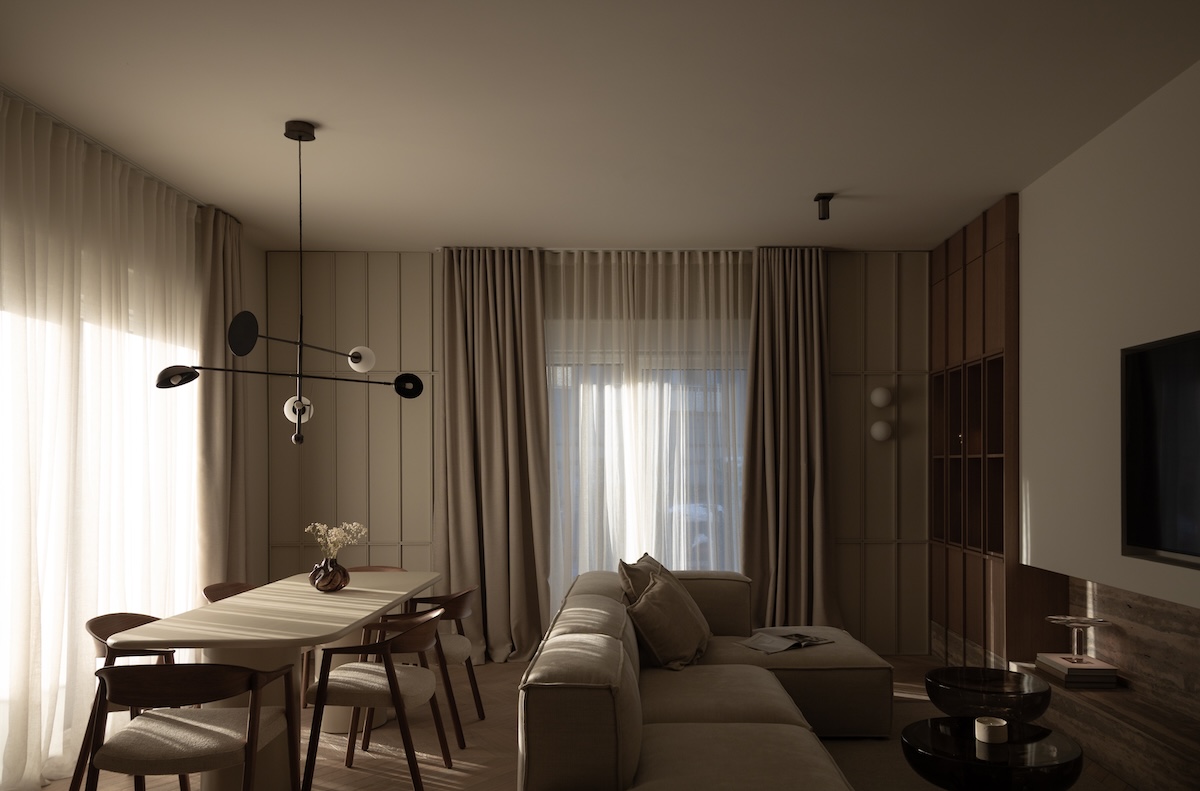
Unlike the familiar image of minimalist interiors defined by crisp whites and cool greys, Warm Minimalism embraces a palette inspired by nature. Soft ivory, cream, beige, earthy browns, and other warm neutrals create spaces that feel more inviting, grounded, and connected to their surroundings.
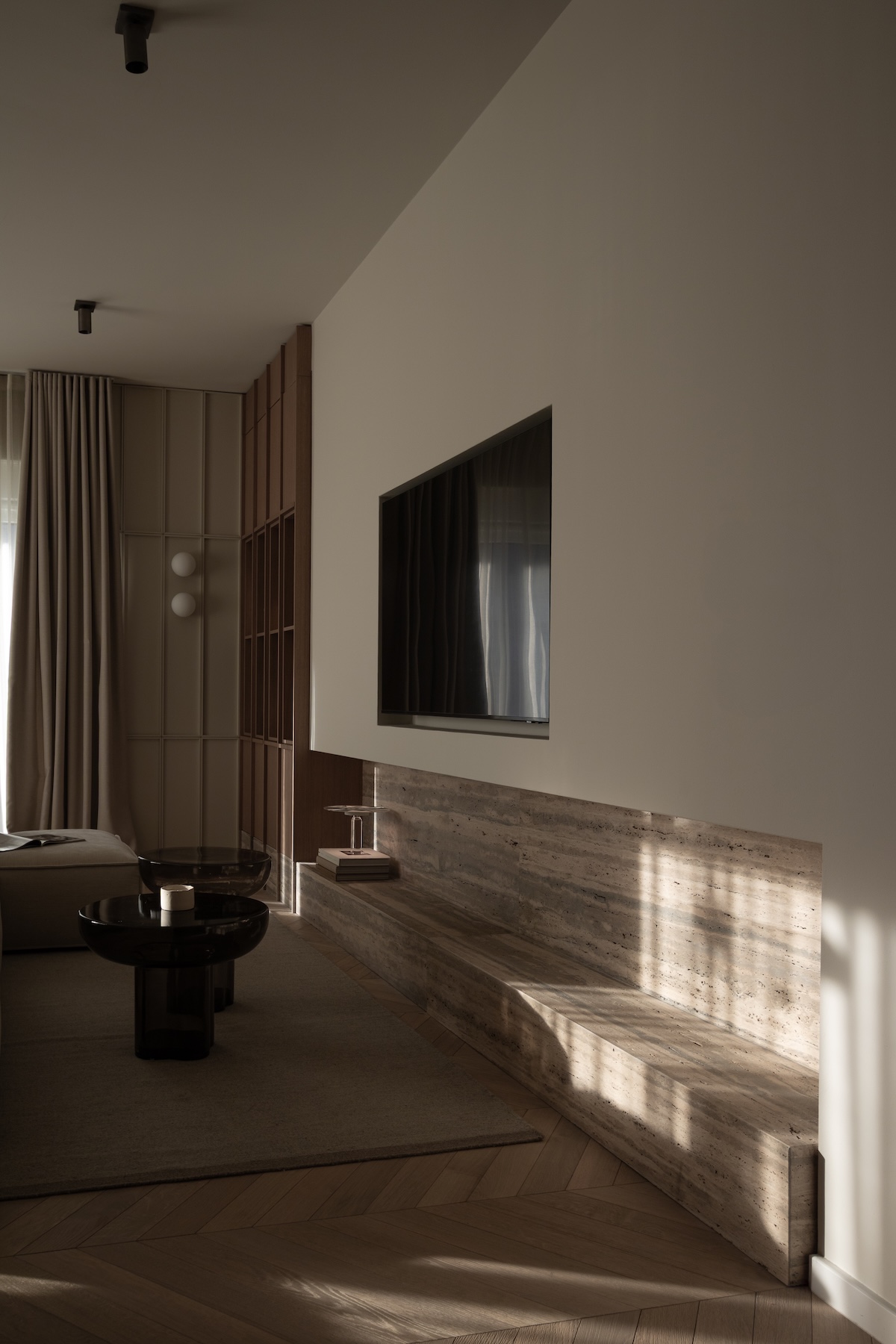
These colours are not intended to become the focal point of a space. Instead, they serve as a quiet backdrop, allowing materials, light, and architectural forms to take centre stage.
The gentle transitions between tones preserve the refined simplicity associated with minimalism while introducing a greater sense of warmth and comfort. Rather than relying on bold visual statements, this palette is designed to create balance and ease, fostering an immediate feeling of calm from the moment one enters the space.
The Emotional Power of Light
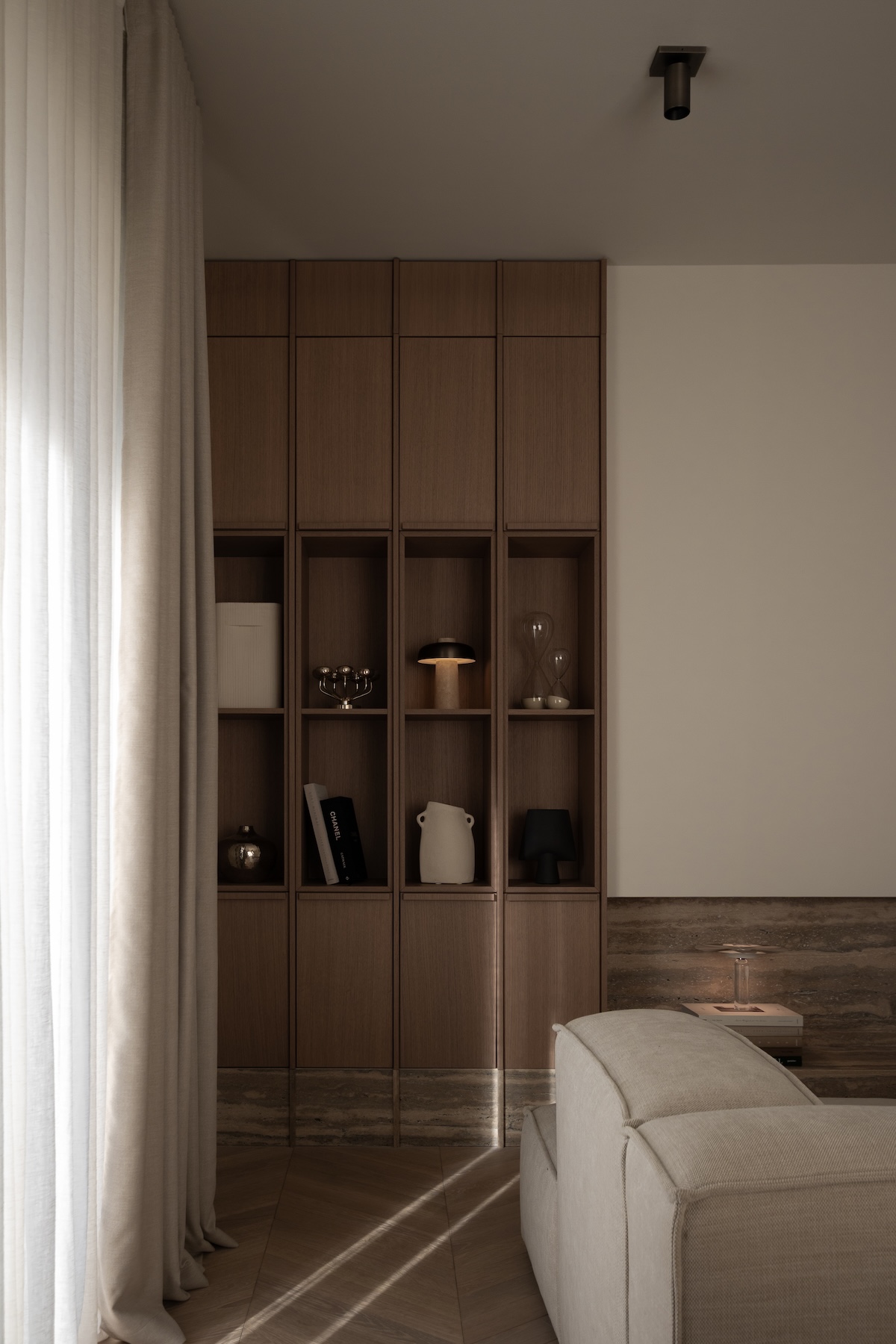
If materials bring depth to a space, light is what allows those qualities to be fully experienced.
Within Warm Minimalism, light is no longer treated as a purely technical consideration but as an essential part of everyday living. Natural light is carefully maximised through thoughtfully placed openings, while artificial lighting is layered to create gentle transitions throughout the day.
Rather than illuminating a space uniformly, light is used to highlight material textures, enhance visual depth, and foster a sense of comfort and relaxation. These subtle shifts give a space its own rhythm and character, without the need for elaborate decorative elements.
Perhaps this is why many designers today regard light as an invisible material, one that shapes the way a space is felt and experienced without ever demanding attention for itself.
Depth Through Restraint
In the minds of many, minimalism is often associated with owning less. Warm Minimalism, however, takes a different approach.
Its value lies not in the number of things removed, but in the intention behind every choice. Each piece of furniture, material, and detail has a purpose, contributing to the experience of living rather than serving as decoration alone.
It is this thoughtful sense of curation that creates balance within a space. The interior is not crowded with passing trends, yet it never feels empty or detached. Instead, every element is present in just the right measure, supporting daily life while naturally reflecting the character and lifestyle of its inhabitants.
As the pressures and distractions of modern life continue to intensify, the notion of luxury is evolving. It is no longer defined by what must be displayed or admired, but by the ability to create a space that feels peaceful enough to unwind, warm enough to foster connection, and authentic enough to always feel worth returning to.
Perhaps this is why Warm Minimalism continues to resonate with so many people today. Beyond aesthetics, it reflects a growing desire for homes that support both emotional wellbeing and everyday living. After all, what people seek is not simply a beautiful house, but a space that can evolve alongside their lives and remain meaningful for years to come.
Source: Vogue